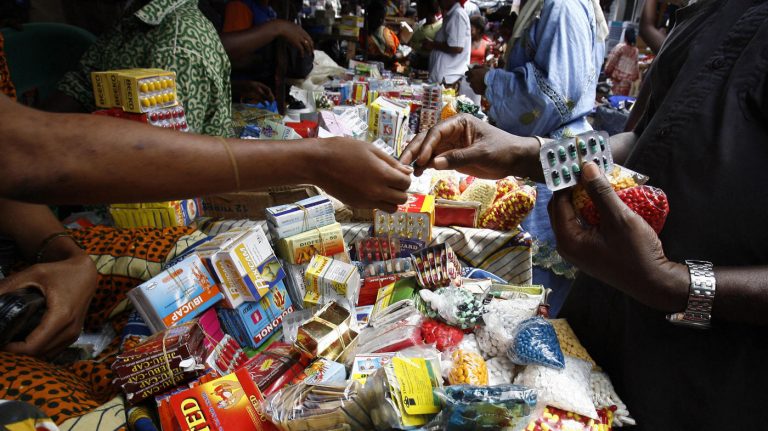
WHO Board Agrees To Drop The Word ‘Counterfeit’ After 30 Years
For nearly 30 years, the United Nations World Health Organization has been referring to poor-quality and fake medicines as counterfeit. But that is about to change.

Original news and analysis on international IP policy
For nearly 30 years, the United Nations World Health Organization has been referring to poor-quality and fake medicines as counterfeit. But that is about to change.
As the World Health Organization Board prepares to consider candidate institutions to be admitted into official relations with the organisation, some health and public interest groups are raising alarm at what they see as a seeming lack of safeguard against conflicts of interest. Particular concern has been raised over admitting the Bill & Melinda Gates Foundation as an observer because of the Foundation trust’s investments in business ventures such as Coca-Cola, which they see as contrary to health goals. But the Gates Foundation, which is the biggest private donor to the WHO, said the trust is a separate entity from the foundation, and therefore does not represent any conflict of interest.

World Health Organization members decided more consideration is needed to address the genetic information of flu viruses in the organisation’s pandemic framework, and the suggestion to have the framework considered as a special instrument under the Nagoya Protocol on access and benefit sharing of genetic resources.
The World Health Organization and The Netherlands government will co-host a meeting in the spring that brings experts together to look at high drug prices and the purchasing of medicines.
The US Army has extended the comment period on the proposed licence to pharmaceutical company Sanofi on technology necessary to create a vaccine for the Zika virus. This is the second extension, and will permit public comments through 10 March 2017.
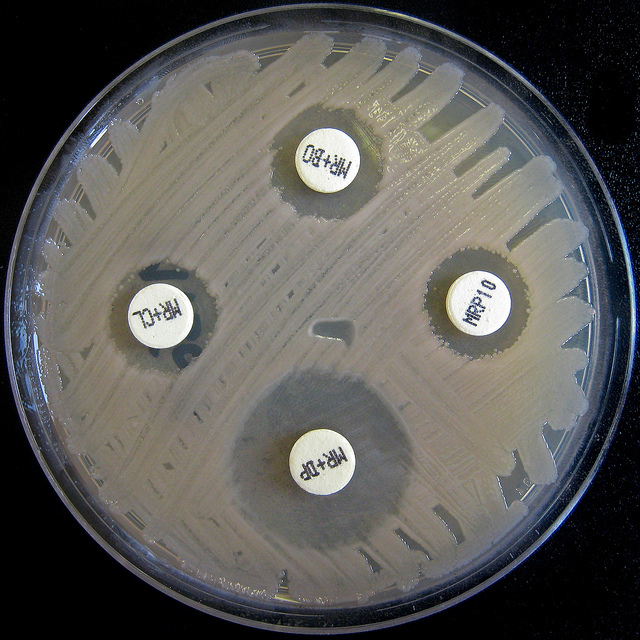
The rising threat of “super bugs,” bacteria resistant to existing antibiotics, was in discussion at the World Health Organization this week. Concerns were voiced about the slow pace of national action plan implementation to improve the careful use of antibiotics. Meanwhile some developing countries and civil society called for priority to be given to accessibility and affordability to new antibiotics.
The Ebola outbreak spurred actions from the World Health Organization in terms of how to deal with emergencies and also getting medicines and vaccines to patients in emergency situations. The secretariat presented an implementation plan for the International Health Regulations, and a report on its recent blueprint on research and development for potentially epidemic diseases at its Executive Board meeting this week. The United States sought to limit the scope of WHO's work on R&D in this context.
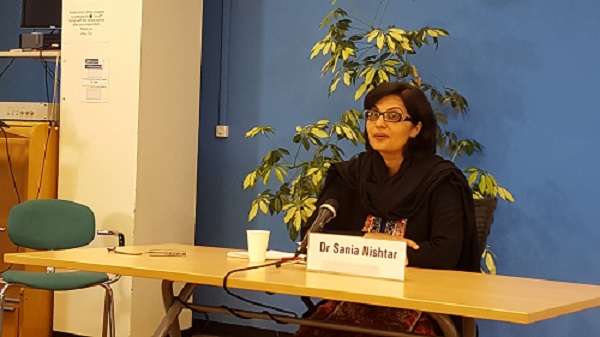
The three remaining candidates to be director general of the World Health Organization today met at length with UN journalists in the WHO and highlighted their plans for reform including finding new sources of funding for the continually cash-strapped UN agency that now could face threats from the US president to cut US funding.

The number of candidates to be the next director general of the World Health Organization was reduced from five to three tonight, with Ethiopia, Pakistan and the United Kingdom still in the running. But in a race as unpredictable as this one, delegates and observers in the hallway were both surprised and not surprised by the outcome as Europe fell to the bottom of the list.
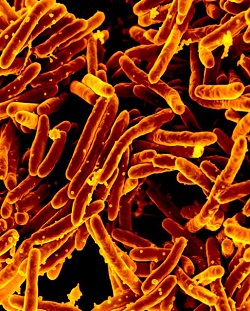
The Medicines Patent Pool announced today that it has signed a license agreement with Johns Hopkins University for a candidate tuberculosis treatment. Although seen as a major step forward by public health groups, they said the agreement does not include guarantees that the treatment that could be brought to the market would be affordable for all.
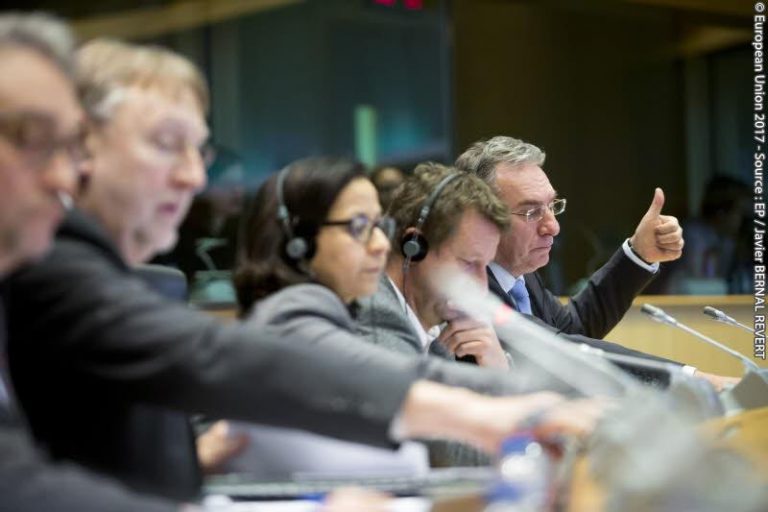
Just a day after US President Donald Trump withdrew the United States from the Trans-Pacific Partnership, the International Trade Committee of the European Parliament passed a recommendation in favour of adopting the Comprehensive Economic and Trade Agreement (CETA) between Canada and the EU. Meanwhile, the EU Trade Commissioner said trade is not to blame and the EU will negotiate many trade deals this year.
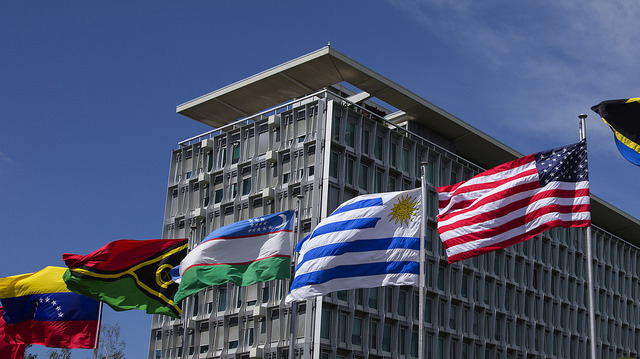
World Health Organization members took the first step toward choosing the next director general of the UN health agency today as they narrowed the candidates to five. There will be interviews held with the remaining candidates tomorrow, after which the list will be reduced to three until the May World Health Assembly.