Category Patents/Designs/Trade Secrets

300 NGOs Demand No New E-Commerce Agenda At WTO Ministerial

Some 300 global nongovernmental organisations have signed a letter voicing concerns about the agenda of the upcoming World Trade Organization Ministerial Conference in December. In particular, they target the alleged push by some countries for a new agenda on digital trade, which they describe as “wrong.”

WIPO Faces Resistance To Ensuring Equal Treatment For LGBT Staff

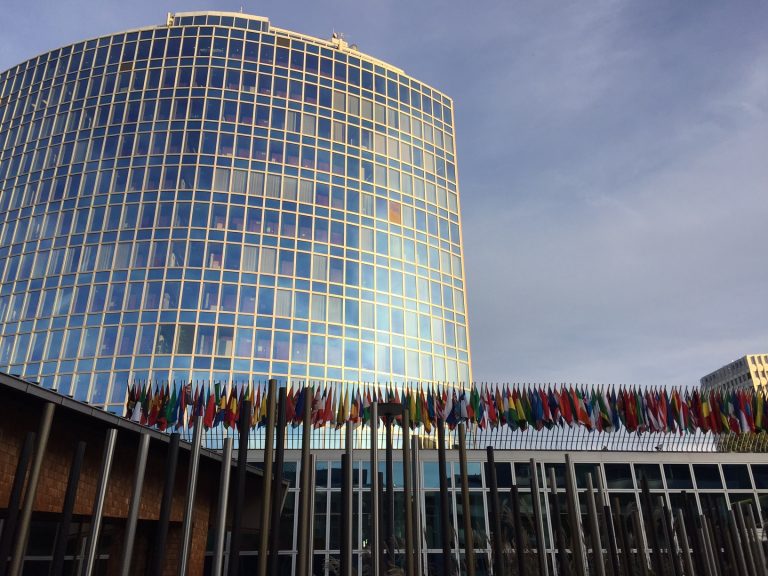
The World Intellectual Property Organization is an international organisation based in Geneva, focused mainly on technical and legal issues of patents, trademarks and the like. But it is also a specialised agency of the United Nations, with over 1,000 employees. At its annual General Assemblies this week, an issue has arisen at WIPO that serves as a reminder of the complexities of UN membership.

Clock Ticking For WIPO Assembly To Agree On Budget, Design Treaty, Genetic Resources

This morning no breakthroughs were reported by delegates chairing informal meetings to reach consensus before the end of the annual World Intellectual Property Organization General Assembly tomorrow. Agreement still has to be reached on the most political issues, such as the budget, the mandate of the committee on genetic resources and traditional knowledge, and where the next WIPO field offices will be hosted. Also under discussion is the composition of one of WIPO’s governing bodies, challenged by the Asia and Pacific Group, which wants more seats.

Mechanism To Assess Trade Agreements Needed, UN Forum On Access To Medicines Hears

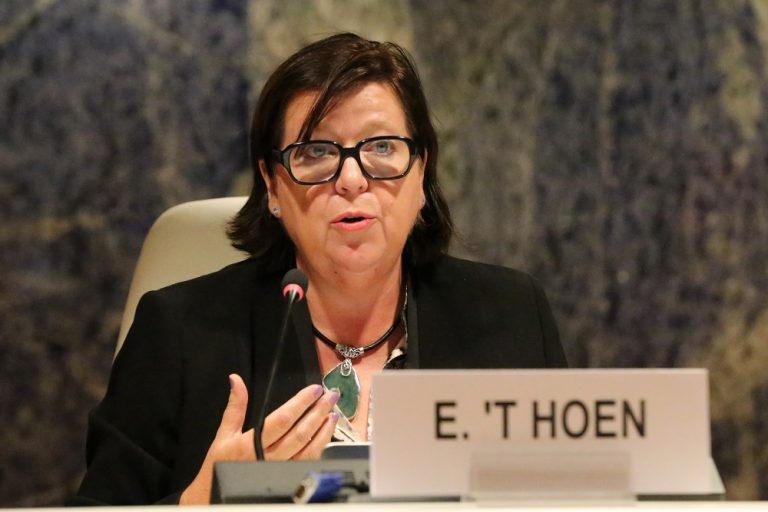
A mechanism to systematically assess trade agreements from a public health perspective, including accession agreements of the World Trade Organization and European Patent Office’s validation agreements is needed, says Ellen ´t Hoen, senior researcher at the Global Health Unit of the University Medical Centre, Groningen, The Netherlands. who publishes the Medicines Law and Policy website.

WIPO’s Program And Budget Stand-Off Highlights That Member States Must Act On WIPO’s Governance System

As the WIPO Annual Assemblies draw to a close this week, governments face a dramatic stand-off over the organisation’s biennial Program and Budget. Unless a series of its demands regarding the organisation’s financing and treaty-making processes are met, the United States is refusing to approve the WIPO budget – a decision Member States normally take by consensus. While sparring among governments over the budget and content of a UN organisation’s programs is not unusual, the debate at WIPO this year highlight challenges at the heart of its governance system, writes Carolyn Deere.

WIPO Upgrades Its Whistleblower Policy

The United Nations World Intellectual Property Organization has upgraded its whistleblower policy, coming more into line with best practices for protecting employees from retaliation for reporting alleged misconduct in the organisation. Time will tell if the changes to the policy will prove effective.

WIPO Assembly Snapshot: Decisions Adopted; Budget, Traditional Knowledge, Designs Still On Table

With three days remaining at the annual World Intellectual Property Organization General Assembly, delegates are still seeking agreement on the 2018/2019 budget, the mandate of the committee on the protection of genetic resources and traditional knowledge, and an update to the international treaty on design law. A number of decisions have however been approved, as WIPO committees reported on their activities.

Section 301: US Investigates Allegations Of Forced Technology Transfers To China

On 18 August 2017, the Trump administration invoked Section 301 of the Trade Act of 1974 to launch an investigation into alleged Chinese violations of intellectual property rights (IPR). In response, China stated that the United States ‘disregards the rules of the WTO’ and that it will ‘take all proper measures to safeguard its legitimate rights’. Alongside investigations into steel and aluminium imports, the new Section 301 case holds the potential to escalate US–China trade tensions, write Zhiyao (Lucy) Lu and Gary Clyde Hufbauer.