Category Patents/Designs/Trade Secrets

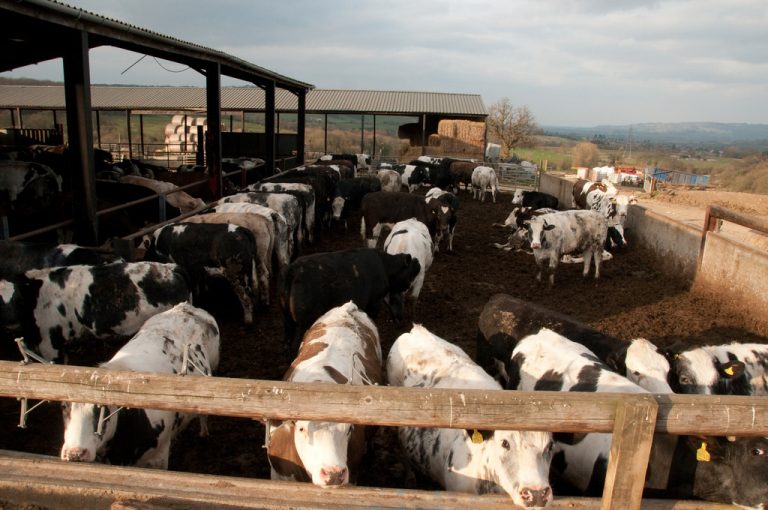
WHO Issues Guidelines Against Antibiotic Overuse In Farms And Food Industry

Against the growing threat of a world where bacteria can kill again because they have developed resistance to available antibiotics, and the lack of new promising options in the research pipeline, several international agencies are seeking solutions. The World Health Organization today published a set of recommendations to help stop the routine use of antibiotics to promote growth and prevent disease in healthy animals.
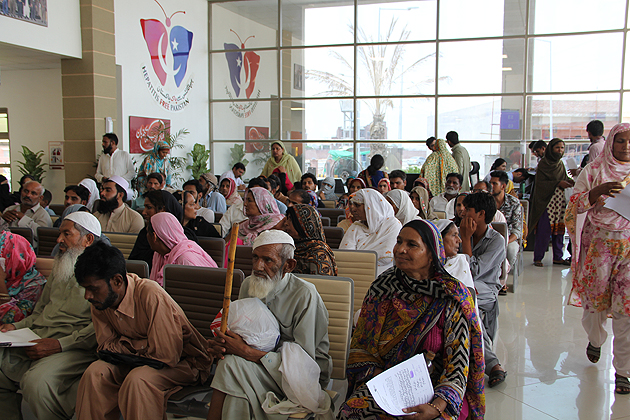
Hepatitis C Buyers’ Clubs Grow Worldwide As A Way To Obtain Affordable Treatment

Hidden amongst the thousands of Facebook pages given over to holiday snaps and gossip are groups of patients who have hepatitis C, a disease that affects more than 70 million worldwide and kills around 400,000 people a year. But importantly, these groups of patients from Russia to Australia have got together to help each other import a relatively new class of drug that is able to cure most of the patients who take it.

UPOV Approves Budget, Explains Contribution To SDGs; Civil Society Disagrees

The International Union for the Protection of New Varieties of Plants (UPOV) met a few days ago and took a number of decisions, such as approving its budget for the 2018/2019 biennium, adopting a document describing the union's contribution to the United Nations Sustainable Development Goals, and the extension of the appointment of its vice secretary general. Civil society, however, has issues with UPOV's take on its contributions to the SDGs. They also reiterated their request that farmers be included in UPOV's decisionmaking.

Uganda Parliament Passes Bill To Promote Use Of Genetically Modified Materials, Biotech

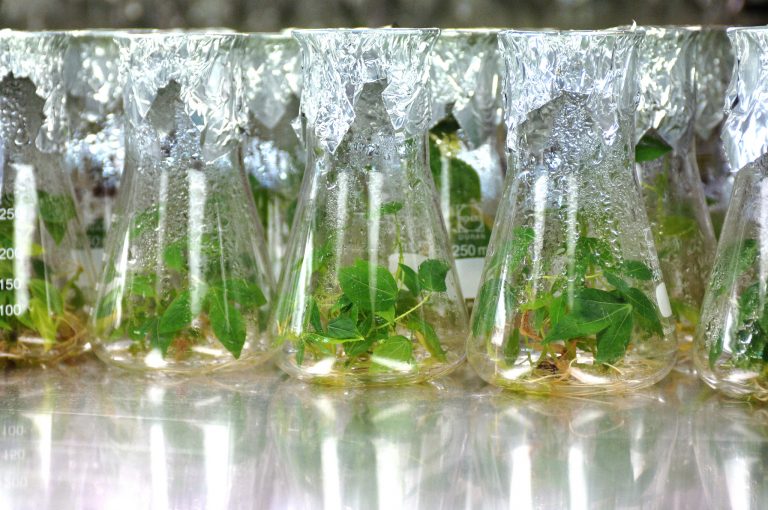
KAMPALA, Uganda -- Several genetically modified crops that are more resilient to drought, flooding, saline or acid soils and temperature extremes resulting from climate change are already being researched in Uganda and are in advanced stages. The enactment of an enabling law, the Uganda National Biosafety Bill 2017, is intended to enhance the development of modern biotechnology.

New WHO 5-Year Programme Is Out. In The Recipe? SDGs, Access To Medicines, Innovation, Better Health For All

The new leadership of the World Health Organization today issued its draft new programme of work for the next five years. The programme depicts new orientations for the global health actor, starting with the alignment of the programme with the United Nations Sustainable Development Goals and universal health coverage. The organisation also commits to help establish policies promoting access to health products, including generic medicines, innovation, and fair pricing. The WHO is set to help address innovation barriers, and to step up its global leadership, but asks that its members actually fully finance the budget that they approve.

Group Of Nations Seeks To Boost Help For Small Companies At WTO

Micro, small and medium-sized enterprises represent the bulk of the global economic fabric, but they face many impediments to joining the global marketplace. An informal group of countries is bringing the conversation into the World Trade Organization, to see how it can help small companies integrate international trade. They submitted a draft decision for the upcoming WTO Ministerial Conference in December. A workshop this week looked at challenges and possible remedies at the national and international level.

UNCTAD Shows Role As Convenor On Investment In Antimicrobial Resistance

The United Nations Conference on Trade and Development (UNCTAD) this month gathered a wide range of key stakeholders to have a frank discussion about how to solve rising global resistance to existing antibiotics. While not a negotiation, stakeholders in the expert group opened up and shared perspectives, leading to some informal conclusions. Among them: more public and private investment, and a shift in the R&D system to new-style incentives, are needed.

WHO Draft 5-Year Plan Would Focus On Impact & Innovation, Be Discreet On Medicines Access

After the new head of the World Health Organization provided his vision for his tenure of the global health institution this summer, the organisation is working on its next programme of work for the period 2019-2023. A preliminary concept note has been issued for public consideration. The note lays out priorities and new orientations and describes a financially sober, more efficient organisation, focused on measurable impact, set on aligning with the United Nations Sustainable Development Goals, and affirming its role as a multi-stakeholder platform of global governance on health, but stays clear of controversial issues, such as the affordability of medicines.