Category IP Policies

WHO Issues Guidelines Against Antibiotic Overuse In Farms And Food Industry
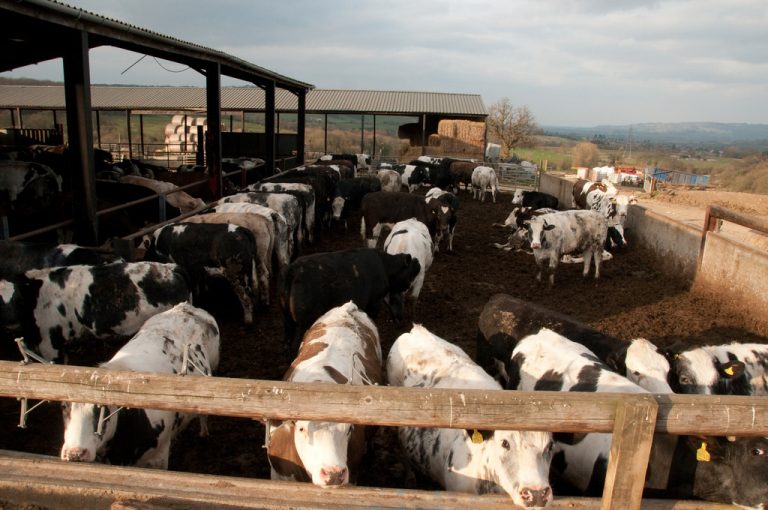
Against the growing threat of a world where bacteria can kill again because they have developed resistance to available antibiotics, and the lack of new promising options in the research pipeline, several international agencies are seeking solutions. The World Health Organization today published a set of recommendations to help stop the routine use of antibiotics to promote growth and prevent disease in healthy animals.
Hepatitis C Buyers’ Clubs Grow Worldwide As A Way To Obtain Affordable Treatment

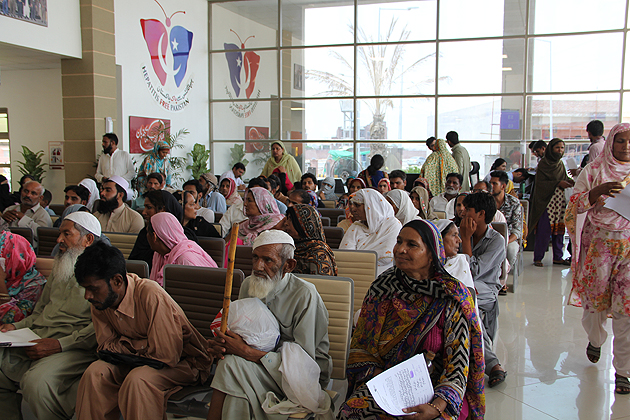
Hidden amongst the thousands of Facebook pages given over to holiday snaps and gossip are groups of patients who have hepatitis C, a disease that affects more than 70 million worldwide and kills around 400,000 people a year. But importantly, these groups of patients from Russia to Australia have got together to help each other import a relatively new class of drug that is able to cure most of the patients who take it.

UPOV Approves Budget, Explains Contribution To SDGs; Civil Society Disagrees

The International Union for the Protection of New Varieties of Plants (UPOV) met a few days ago and took a number of decisions, such as approving its budget for the 2018/2019 biennium, adopting a document describing the union's contribution to the United Nations Sustainable Development Goals, and the extension of the appointment of its vice secretary general. Civil society, however, has issues with UPOV's take on its contributions to the SDGs. They also reiterated their request that farmers be included in UPOV's decisionmaking.

Uganda Parliament Passes Bill To Promote Use Of Genetically Modified Materials, Biotech

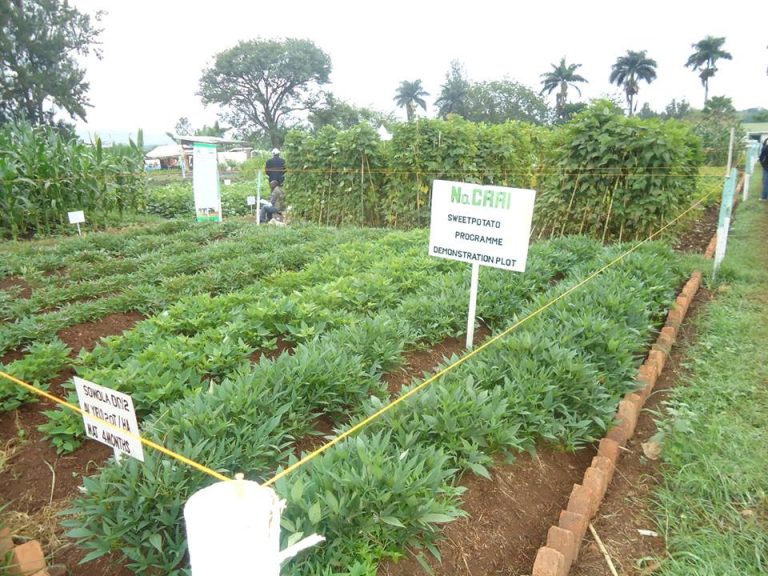
KAMPALA, Uganda -- Several genetically modified crops that are more resilient to drought, flooding, saline or acid soils and temperature extremes resulting from climate change are already being researched in Uganda and are in advanced stages. The enactment of an enabling law, the Uganda National Biosafety Bill 2017, is intended to enhance the development of modern biotechnology.

WIPO Trademark Committee Agrees On Work Programme For GIs, Action On Country Names

Statements were praiseful at the close of the World Intellectual Property Organization committee on trademarks, industrial designs, and geographical indications meeting this week. After a number of unsuccessful past sessions, delegates agreed on a work programme on geographical indications. They also decided on a half-day information session on the examination by trademark offices of requests including country names, during the next session of the committee.

The User Rights Database: Measuring The Impact Of Copyright Balance

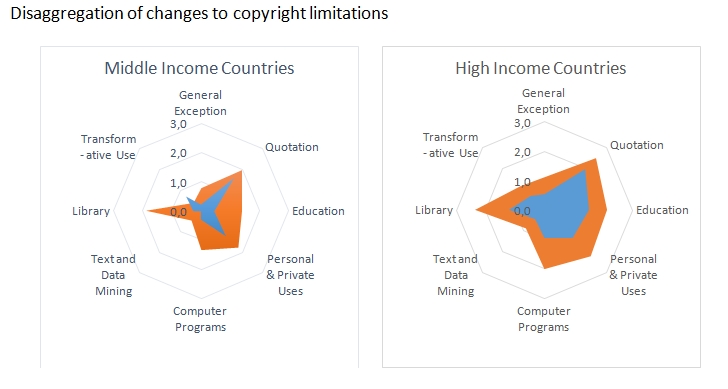
PIJIP’s Copyright User Rights Database tracks changes to copyright user rights (aka limitations and exceptions) over time in a sample of 21 countries of different development levels. The data assesses the degree to which other countries have adopted exceptions that are as open as the US fair use right – i.e. open to a use of any kind of work, by any kind of user and for any purpose. The instrument and results are available at infojustice.org/survey.

New WHO 5-Year Programme Is Out. In The Recipe? SDGs, Access To Medicines, Innovation, Better Health For All

The new leadership of the World Health Organization today issued its draft new programme of work for the next five years. The programme depicts new orientations for the global health actor, starting with the alignment of the programme with the United Nations Sustainable Development Goals and universal health coverage. The organisation also commits to help establish policies promoting access to health products, including generic medicines, innovation, and fair pricing. The WHO is set to help address innovation barriers, and to step up its global leadership, but asks that its members actually fully finance the budget that they approve.

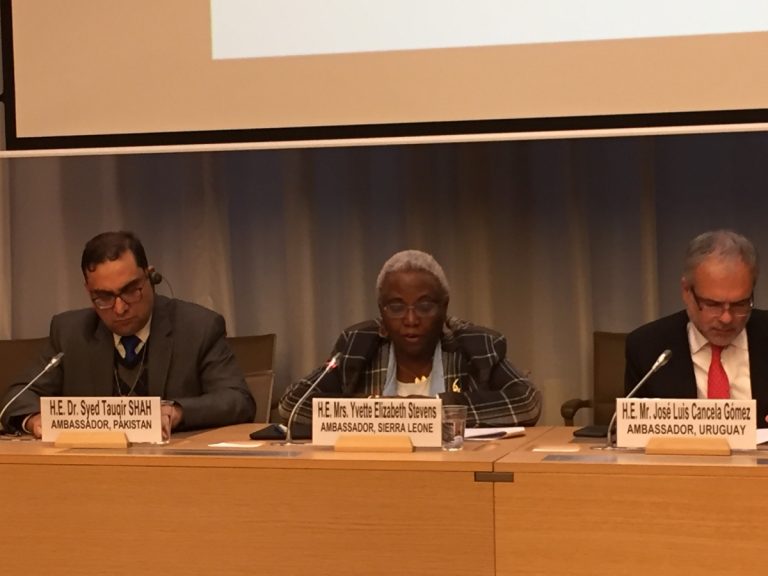
Group Of Nations Seeks To Boost Help For Small Companies At WTO

Micro, small and medium-sized enterprises represent the bulk of the global economic fabric, but they face many impediments to joining the global marketplace. An informal group of countries is bringing the conversation into the World Trade Organization, to see how it can help small companies integrate international trade. They submitted a draft decision for the upcoming WTO Ministerial Conference in December. A workshop this week looked at challenges and possible remedies at the national and international level.

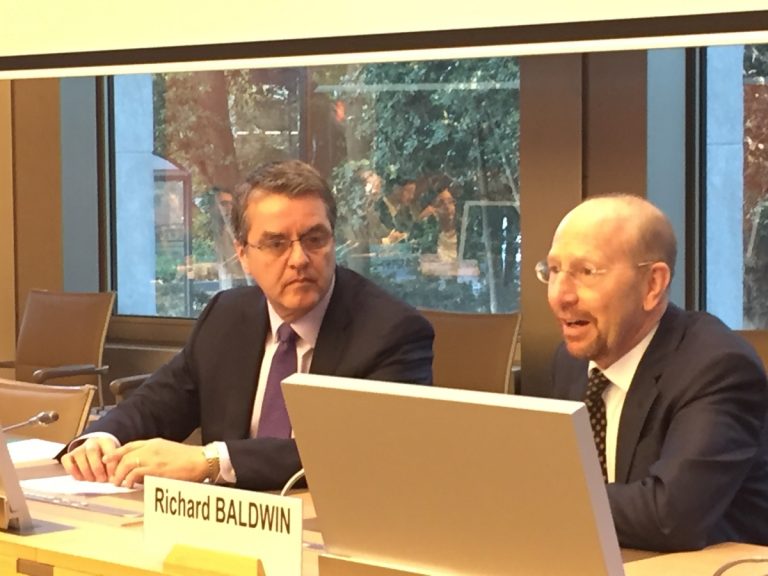
E-Commerce Needs Special Rules, WTO The Place For It, Officials Say

Electronic commerce is flourishing, but countries are not benefitting equally from this windfall. An event held this week at the World Trade Organization looked at the role of the WTO in the establishment of global rules for e-commerce, while WTO member states themselves disagree on the urgency to establish a new work programme, just weeks before the next WTO ministerial.