Category IP Policies

World Health Assembly 2018 Preview: Guide To Key Issues
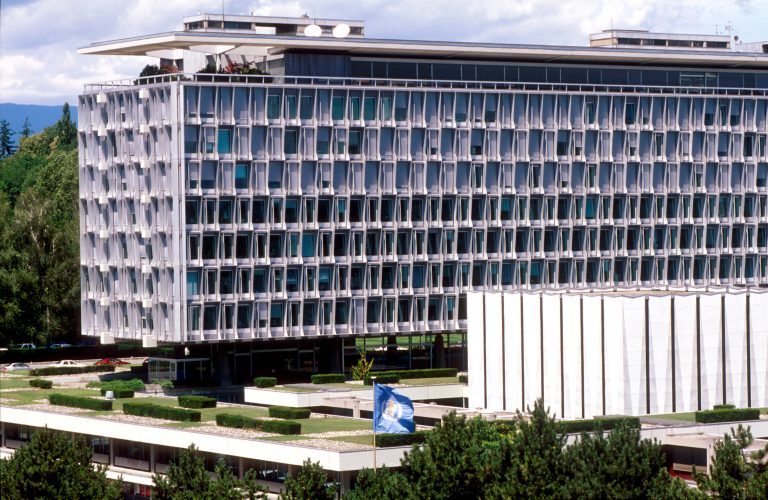
The World Health Organization celebrated its 70th anniversary last month. Since the inception of the organisation, the world has changed, and so have its challenges. The global rise of non-communicable diseases is one example of those challenges, as well as the escalating prices of new medicines and chronic access issues in many countries. The annual World Health Assembly will open on 21 May with an ambitious new General Programme of Work for 2019-2023, which promises 1 billion more people under universal health coverage.
The Changing Copyright Climate And WIPO: Interview With IPOS Chief Executive Daren Tang

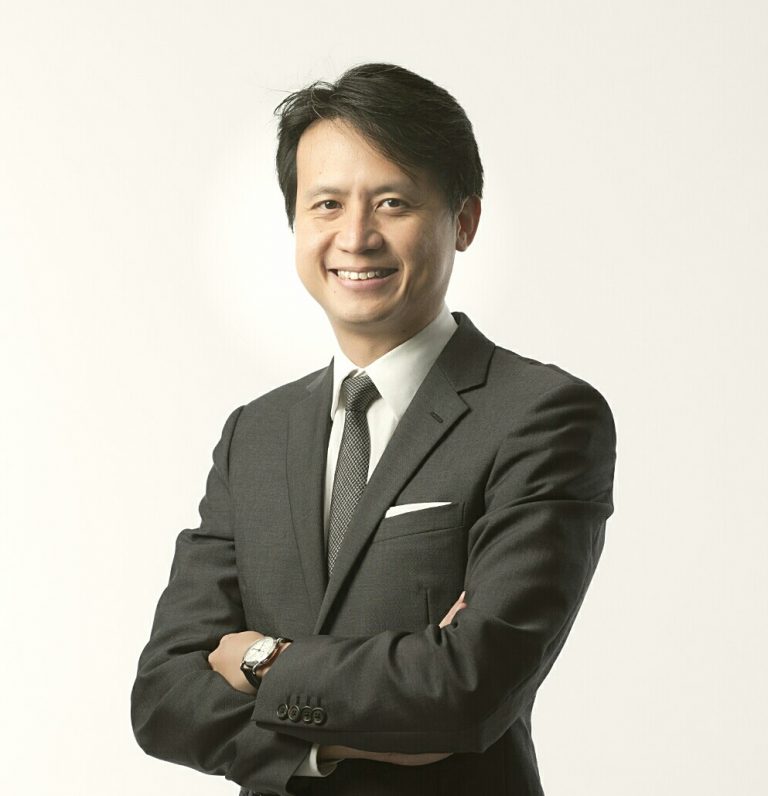
The copyright committee of the World Intellectual Property Organization is meeting at the end of May with some complex issues on the agenda that may see new approaches for moving them forward, including the protection of broadcasting organisations, and limitations and exceptions to copyright for certain actors such as libraries and archives. Daren Tang, the chair of the committee, and chief executive of the Intellectual Property Office of Singapore (IPOS), recently engaged in an interview with Intellectual Property Watch's Catherine Saez, providing his insights on the discussions, changes in the world affecting copyright, and what to expect of the next session of the committee.

Ukraine Eyes Patent Law Reform After Civil Society Push On Medicines Access

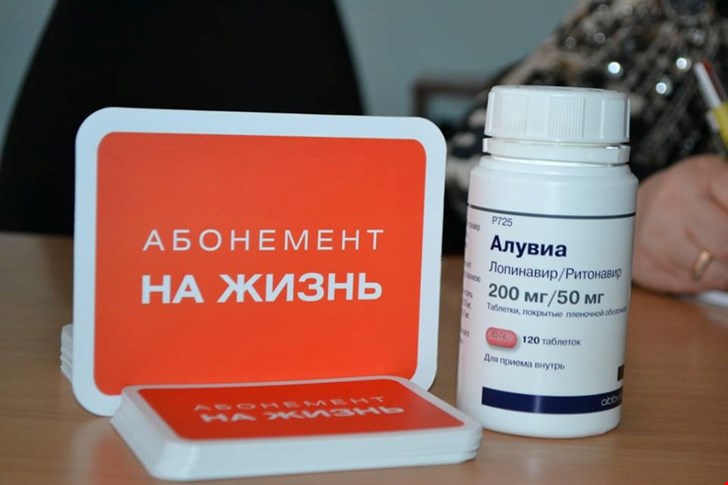
Ukrainian lawmakers are poised to approve sweeping patent reform legislation, driven in large part by a push by patients’ groups for better access to affordable medicines and healthcare.

Patentes Sem A Realização De Análise Técnica: Uma Péssima Solução Para O Século 21

Historicamente, o Brasil se encontra na vanguarda dos países em desenvolvimento, pressionando por um regime de propriedade intelectual (PI) mais equilibrado.

Patents Without Examination: A Bad Solution For The 21st Century

The Brazilian government's plan to deal with its patent backlog by making approvals without review is a recipe for disaster. It will move the backlog to the courts, with endless suits over duplicative and frivolous patents, write Arjun Jayadev and Dean Baker.

USTR IP Report Sparks Outcry Among Health Advocates

The annual Special 301 report of the Office of the United States Trade Representative (USTR) issued today sparked a quick outcry among health advocates over its seemingly more restrictive approach they say bullies other countries into unfairly promoting US pharmaceutical industry rights to an extent that would raise drug prices and limit accessibility.

USTR Annual Special 301 Report Intensifies Action On China, Colombia, Canada

The annual report of the Office of the United States Trade Representative (USTR) on the adequacy of trading partners’ protection of US intellectual property rights celebrated its 30th year this year with a sharper tone with China, in keeping with the Trump administration’s tough stance on the country. Also caught in the report are Colombia and Canada, which were downgraded to the “priority watch list.” Also, this year the report includes a special highlight on pharmaceuticals and medical devices.

How To Discover Valuable Patents

Bastian July writes: In May 1968, the submarine USS Scorpion disappeared after a tour of duty in the North Atlantic. The initial search area was a circle twenty miles wide and thousands of feet deep. Instead of asking one or two experts for input, Navy officer John Craven assembled a large group of independent experts with a wide range of knowledge. The group included mathematicians, submarine specialists, salvage men and many others. Combining their knowledge, Craven was able to estimate the submarine’s likely location. It was found 200 yards from the group’s collective estimate. But can you also turn to the Wisdom of the Crowd when it comes to discovering the fortunes lying hidden in patents?

UK Ratifies Unified Patent Court, Moving It Closer To Reality

The United Kingdom has ratified the Unified Patent Court Agreement that will allow "a single judgment in cross-border disputes between private parties over patents granted under the current intergovernmental system." The system is administered by the European Patent Office, and the UK's ratification leaves Germany outstanding.

USPTO Lists Changes To Post-Grant Proceedings After This Week’s SAS Decision

The United States Patent and Trademark Office has issued guidance on changes to post-grant proceedings following the 24 April decision by the US Supreme Court in the SAS Institute v Iancu case. The Court ruled that the USPTO must decide the patentability of each claim that is challenged in petitions for inter partes review.