Category Copyright Policy

3D Printing In Africa: Huge Benefit Or Big IP Threat?

CAPE TOWN, South Africa - The five-metre tall 3D printer dwarfs four engineers in the renewable energy laboratory at the Nelson Mandela Metropolitan University, the biggest tertiary institution in the Eastern Cape, South Africa.

Inertia Slows Evolution For Open Scientists

It is still a long way to a new generation of "open scientists", German open data researcher Christian Heise found out in his just-published PhD thesis. Heise not only investigated drivers and barriers for what he expects to be an evolution from open access to open science by theory and a survey of over 1100 scientists. He tried the concept open science the hard way, opening up the writing of his thesis paper on the net.

EC Copyright Reform Proposal Encounters Resistance In European Parliament

European Commission plans to modernise copyright rules have run into opposition in European Parliament committees, with lawmakers particularly pushing back against the proposal for a publishers' right to licence snippets of news content.

Revelations Illustrate Aggressive CIA Hacking, Sloppy Security Of Smart Services

Thought about buying a smart phone, smart TV, smart car? – think twice. Wikileaks today (7 March) released over 8,000 documents illustrating hacking activities of the Central Intelligence Agency, CIA. In what has been described by some commentators as a bigger leak than the Snowden revelations about the National Security Agency in 2013, the whistleblower platform allowed a glimpse into the CIA hacking into smart TVs and smartphones and presented a list of zero day vulnerabilities found, bought and sometimes shared with colleagues in other agencies, including British colleagues. Wikileaks announced that today’s leak was the “Year Zero” tranche of the much bigger “Vault 7” project: more redacted details from the documents and much more documents will be published.


WIPO Committee On Protection Of Folklore: New Inspiration From Developing Countries

There seems to be something in the air at the World Intellectual Property Organization committee working to find solutions to protect indigenous traditional cultural expressions (folklore) from misappropriation. After 16 years of snail’s pace and mostly unfruitful efforts, the landscape appears to be moving, as developing countries seek a common proactive position, with new treaty language, while the European Union and the United States seem to be increasingly lonely, according to sources.

E-Commerce, Access To Medicines Catching On At WTO TRIPS Council

The World Trade Organization committee on intellectual property rights met this week with some discussion items that departed from past agendas but are becoming more familiar. A discussion on electronic commerce revealed interest from members, despite a slow start on details. And discussions on the United Nations High-Level Panel on Access to Medicines prompted nourished interactions and a wish by some countries to pursue the subject in future sessions.

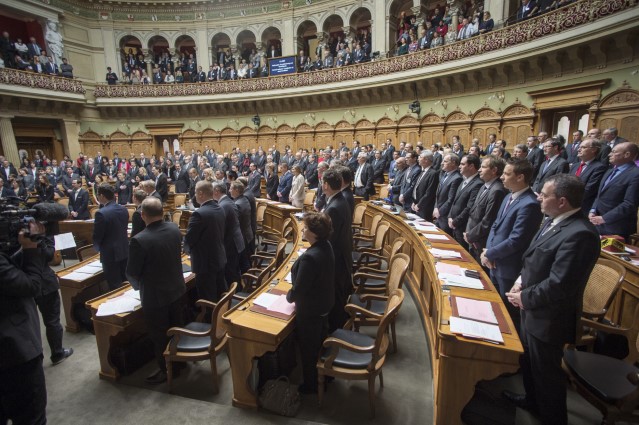
Switzerland Next In Line To Gamble With Net Blocking

The Swiss Parliament this week adopted new legislation to regulate offline and online gambling by limiting it to a fixed number of Swiss-based operators only. While heavily criticised by opponents inside and outside the Parliament in Bern, the main goal was to harvest revenue streams for the general public and enforce a number of obligation. A number of opponents in the Parliament sided with activists in their call for caution against the ‘slippery slope’ of net filtering. A look at other countries illustrates that filtering on an IP or domain name basis is on the rise.

Text Protecting Indigenous Cultural Expressions Streamlined At WIPO, But Divergence Persists

Renewed discussions on the protection of traditional cultural expressions at the World Intellectual Property Organization have produced a new draft text that provides a clearer view of the different ways in which countries see a that treaty could help against misappropriation of indigenous cultural heritage. Divergences remain on core questions such as what and who should benefit from the protection of an international treaty, in which terms, and to what extent.

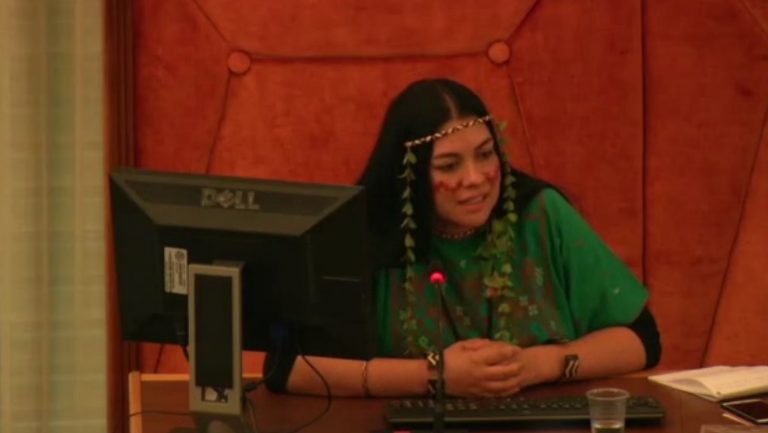
Indigenous Peoples At WIPO Call For Respect Of Their Sovereign Rights, Prevention Of Cultural Genocide

A panel of indigenous peoples speaking at the United Nations World Intellectual Property Organization on a potential treaty protecting their folklore from misappropriation asked that indigenous culture be recognised as unique, and not unduly considered as belonging to the whole of mankind. The keynote speaker chastised the United States position in the committee, criticised a US recent document equating the cultural significance of Santa Claus, pizza and sand paintings, and called for the respect of indigenous peoples' sovereign rights over their cultural expressions.