Category Copyright Policy

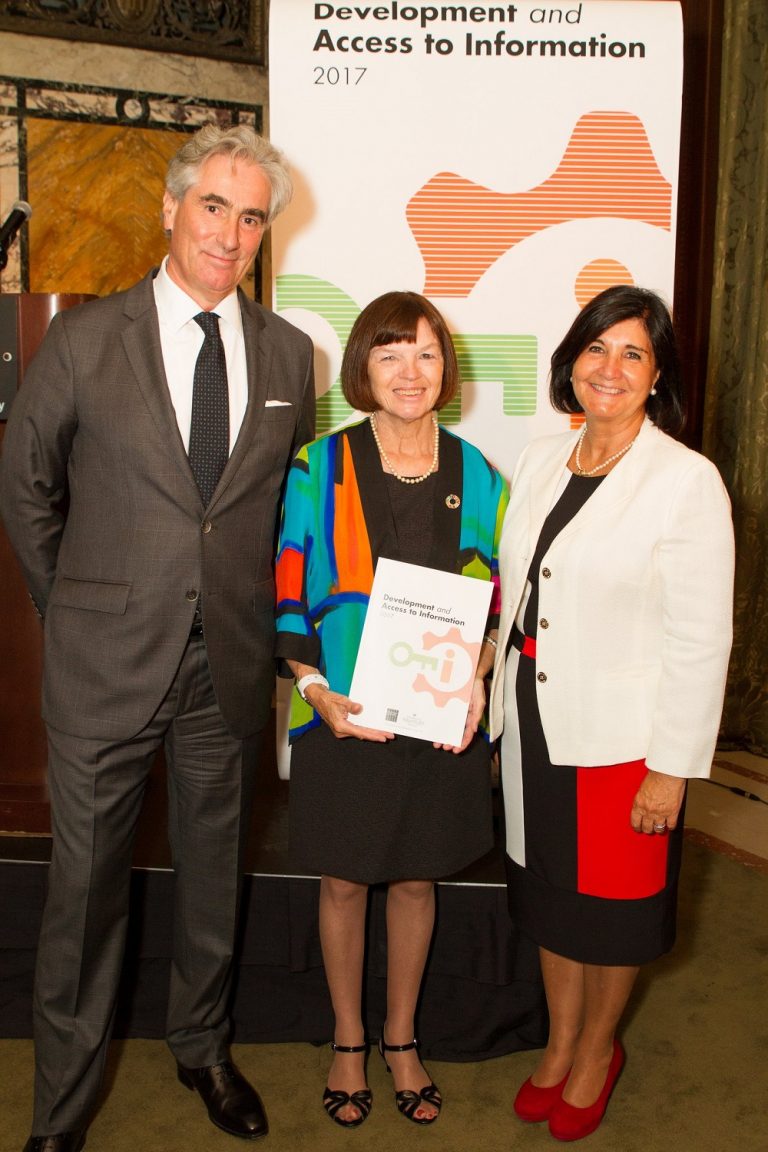
Information, Access, And Development: Setting A Course For The Sustainable Development Goals

Gerald Leitner writes: Information is the raw material for decision-making. When individuals and groups make the right choices, based on good information, their chances of taking a full role in economic, social, cultural and civic life improve. They can better create and innovate, participate in politics, find and do their jobs well, and live healthily.

Informed citizens and communities are also essential to the UN’s 2030 Agenda. We cannot have sustainable development when individuals are not able to deal with new choices and challenges autonomously, drawing on access to information. And we cannot have inclusive development, with no-one left behind, unless this access is real and meaningful for everyone.

Libraries have long sought to do this, making sure that the world’s heritage is preserved and made accessible, allowing the sharing of knowledge between institutions and across borders, and giving children, families, students and others the chance to enjoy works which they could never afford to pay for individually.

Why Fair Dealing Is Not Destroying Canada Publishing

For the past few years, publishers around the world have engaged in a sustained campaign to hold up Canada as proof that making fair dealing more flexible for education will hurt publishers. Those efforts rarely tell the whole story: that paid access remains the primary source of materials in Canada, that educational copyright policies in Canada are primarily a function of court decisions not copyright reform (the emphasis on fair dealing came before the 2012 reforms), that global publishers were reporting marketplace challenges that have nothing to do with copyright, that Canadian publishers that supposedly stopped publishing were still in business, that court affidavits from Canadian publishers focus on many concerns other than copyright, and that a study from one Canadian publisher association highlighted issues such as open access and used book sales. University of Ottawa law professor Michael Geist expands on the reality of Canadian publishing and copyright law.

US, European Views On IP Management And Digital Business

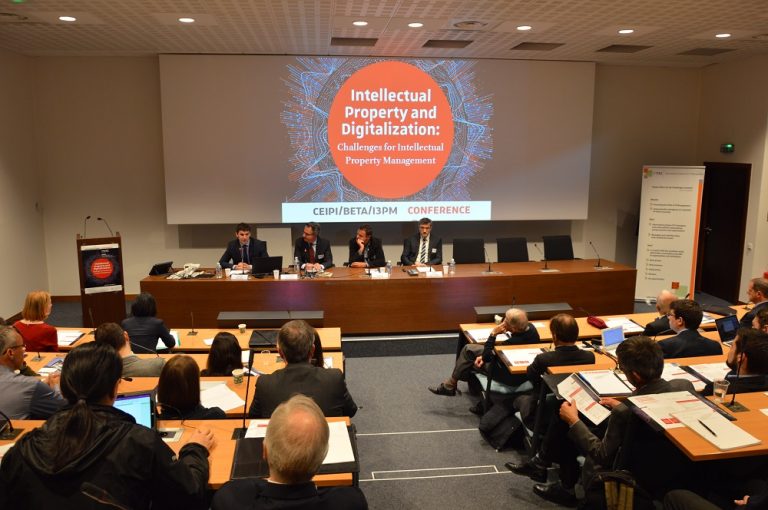
Data-driven technologies are enabling the expansion of trade and data flows around the world. We have disruptive smart products, smart industrial processes, smart clouds and smart services. Traditional industries such as pharmaceuticals, chemical and mechanical engineering digitally transform production processes to generate custom-tailored services and improve competitiveness using artificial intelligence while new companies emerge with disruptive offers. Such artificial intelligence-based business models, however, are bringing about a rethinking in European regulations in relation to copyrights, such as that deployed by DeepMind and Pinterest, for instance, because machine learning may reproduce countless amounts of proprietary content to generate raw solutions. A recent event in Paris delved into these and other issues, including data ownership and access rights, as well as inventions by computers.

WIPO Moves Slowly On Reduction In Compensation For Geneva-Based Staff

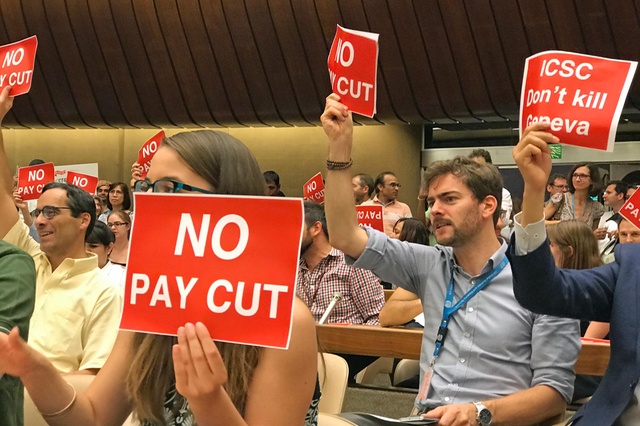
Earlier this year, the United Nations International Civil Service Commission called for a decrease in the compensation for the high cost of living for staff of Geneva-based United Nations agencies. At the World Intellectual Property Organization Program and Budget Committee last week, some countries asked why the decision was not reflected in the draft budget for 2018/2019. WIPO replied that discussions on the decision are ongoing among various agencies.

WIPO Proposes 10 Percent Cut In Governments’ Annual Contributions

The World Intellectual Property Organization has proposed a 10 percent reduction in the contributions its member states make to the UN agency. The proposal, which met with some unanswered questions from WIPO member states at a committee meeting last week, is said to reflect the agency’s robust finances and will be taken up again in September. The move would shrink government contributions to WIPO’s overall budget to less than 5 percent of its total revenues.

Member states’ first reading of the proposed budget by WIPO for 2018/2019 also led to some amendments in programmes, notably new indicators of progress.

To Print Or Not To Print: Innovation And IP Issues In 3D Printing

3D printing used to be an expensive product design tool, but it is quickly becoming an affordable and accessible technology. First emerging in the 1980s, the availability of low-cost, high-performance 3D printers has put the technology firmly within reach of consumers. While this provides a number of opportunities for designers and manufacturers, there is also concern around the impact on IP rights, writes Jia Li.

Arduous Discussions At WIPO For New Country/Regional Offices, No Winners Yet

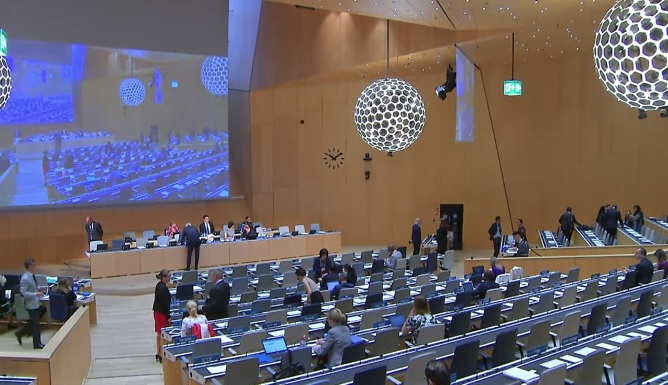
Attracting a World Intellectual Property Organization external office appears to be a critical priority for a number of countries that have put forward their candidacy for four possible new openings. During the WIPO Program and Budget Committee this week, some of those candidates delivered presentations highlighting their most striking assets, such as bridging continents, region, and economic blocs. But discussions could not lead to the chosen winners this week.

Intermediaries Could Be Made Liable In EU Copyright Legislation

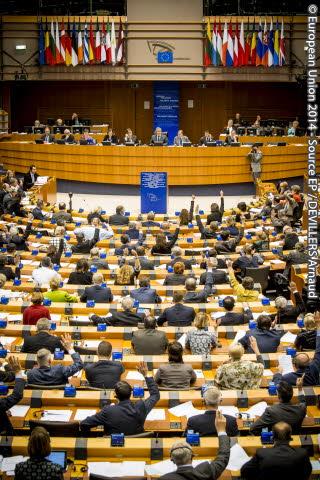
Positions on the new draft European Union Copyright Directive lie so far apart in the European Parliament that compromise before an expected October vote seems nearly impossible. Critics of a new special copyright for press publishers - and of a radical change towards holding internet intermediaries liable for what their users upload - were highly alarmed by this week’s developments in Brussels.

WIPO Budget First Reading: SDGs, External Offices, Possible Treaty Negotiation

The World Intellectual Property Organization members this week have discussed the first draft of the budget of the organisation for the biennium 2018/2019. Questions have been asked about how WIPO is contributing to the United Nations Sustainable Development Goals, how much WIPO committees and external offices will cost, and how WIPO can help developing countries increase their IP development.

Lessons From South Africa: Protecting Non-Expressive Uses In Copyright Reform

Matthew Sag and Sean Flynn write: This week, the South African Parliament began accepting comments on its pending Bill proposing to amend the South African Copyright Act to align it with the digital age. We and other experts and civil society organizations submitted comments praising many of the Bill’s provisions and proposing that it adopt an “open” fair use right. Here we focus on one major reason to adopt an open fair use right – to authorize so-called non-expressive uses of works. We conclude with some reflections on how international law could help in this regard.