Category Copyright Policy

Key IP Delegates In Geneva – Fully Updated!

Geneva, Switzerland is the gathering point for the world's governments to set international policy and practices relating to intellectual property rights, as they cut across many of the public policy issues of the day (eg innovation, trade, internet, health, food), including at the World Intellectual Property Organization, World Trade Organization and World Health Organization. Everyone has a stake in what governments and their stakeholders do in these venues. But who do you talk to in order to get your message through? Now Intellectual Property Watch has fully updated its unique list of the diplomats representing many of the key nations in those institutions in Geneva. Available here for subscribers only!

Between Human Rights And IP: An Interview With Laurence Helfer, Co-Author Of Guide To Marrakesh Treaty Implementation

When in 2013, in Marrakesh, Morocco, a new World Intellectual Property Organization treaty establishing exceptions and limitations for people with visual impairment was adopted, it was hailed by some as a miracle. Entered into force in 2016, the way states implement the treaty is of major importance for the World Blind Union (WBU) so that the treaty serves its purpose to expand access to books for visually impaired people. Laurence Helfer is co-author of a Guide: The World Blind Union Guide to the Marrakesh Treaty: Facilitating Access to Books for Print-Disabled Individuals. Alongside the recent session of the United Nations Committee on the Rights of Persons with Disabilities, he sat down with Intellectual Property Watch Senior Writer Catherine Saez to explain the main aims and messages of the Guide.

New Guide Shows How Best To Implement Marrakesh Treaty So Books Are Accessible To Visually Impaired

The World Blind Union (WBU) has recently issued a guide to the World Intellectual Property Organization treaty providing copyright exceptions for visually impaired people. If the treaty was hailed by all, the way it is implemented could be a gamechanger, and the WBU provides advice to all stakeholders, and in particular governments, so that the treaty is interpreted and implemented to the best interest of the visually impaired. The union also warns against the implementation of two optional provisions, which they say could run counter to the aims of the treaty.

Law Enforcement, Industry Hold Event Against IP Crime At UN

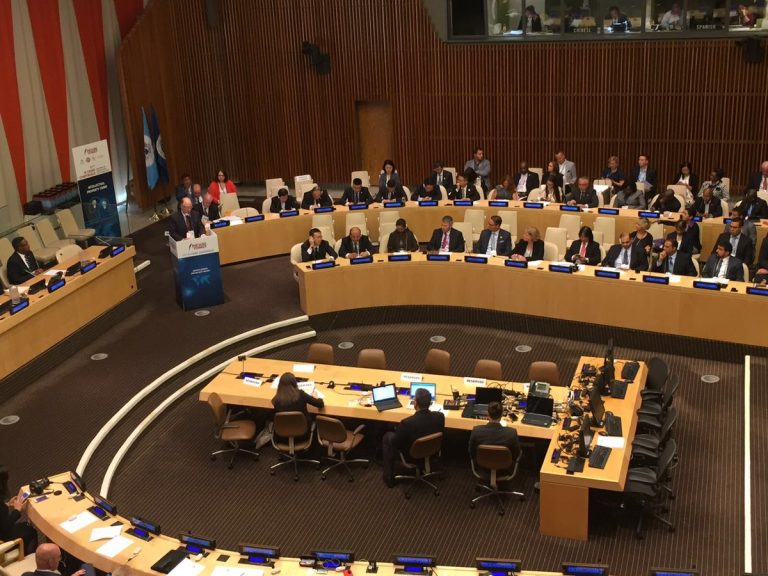
NEW YORK – An event of international law enforcement, security experts and industry this week at the United Nations headquarters in New York aimed at building strategies against a wide range of intellectual property crime worldwide. At the event, a senior United States official discussed plans to expand a program of US IP experts abroad.

The Dilemma Of Fair Use And Expressive Machine Learning: An Interview With Ben Sobel

Intellectual Property Watch recently conducted an interview with Ben Sobel, law and technology researcher, teacher, and fellow at Harvard University's Berkman Klein Center for Internet and Society. Sobel has focused his research on copyright and the fair use doctrine, in particular in the context of artificial intelligence (AI). Below, he shares his views on expressive machine learning, “the fair use dilemma” and “Big Content versus Little Users”. The most pressing copyright question has to do with AI readers, not AI authors, according to Sobel.

US Issues Spate Of Trade Announcements, With IP In The Foreground

With much of the rest of the western world on holidays, the Office of the United States Trade Representative spent this month in meetings and issuing statements about improving international trade conditions for the US.

Over the past two weeks, United States Trade Representative Robert Lighthizer and other senior officials have been involved in activities with Canada and Mexico (under renegotiation of the 1994 North American Free Trade Agreement, NAFTA), Japan, South Korea, and China.

New Book Puts WIPO Traditional Knowledge Committee In Perspective

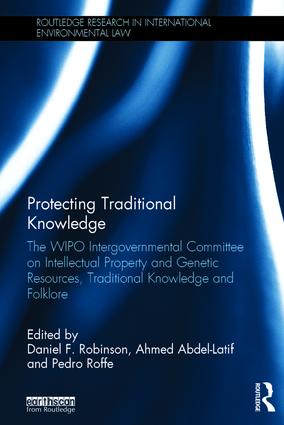
A new book with contributions from key thinkers on the subject details the long history and intensive negotiations of the World Intellectual Property Organization committee on genetic resources, traditional knowledge and folklore, making a case for conclusion of binding international agreements in these areas as a way to close gaps in intellectual property policy.