Category Health Policy Watch

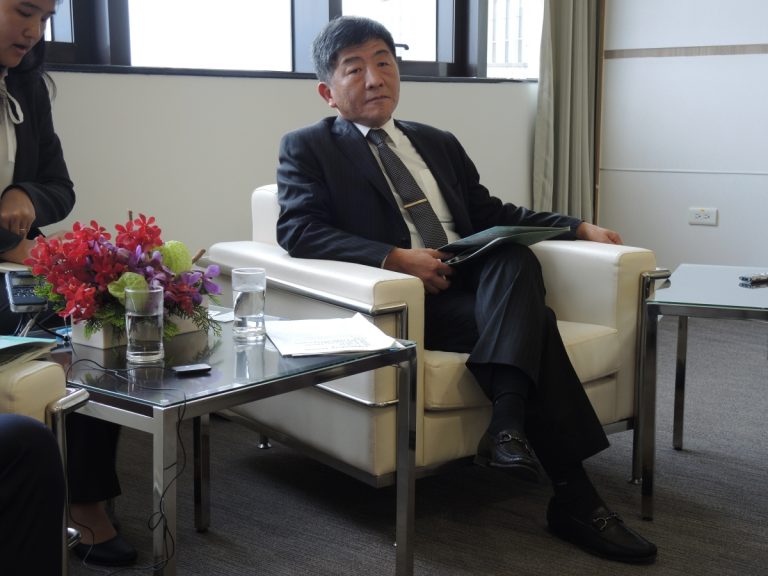
Special Feature: Blocking Taiwan From Joining WHO Affects Global Health Security, Officials Say

TAIPEI, Taiwan - Two years after the victory of Taiwan Democratic Progressive Party (DPP) and President Tsai Ing-wen, Taiwan is feeling the effects of the DPP's position against the "One China principle." At the World Health Organization, China is allegedly successfully blocking Taiwan from participating in the annual World Health Assembly, and in a number of WHO technical meetings, officials say. Beyond the political dimension of the dissent between China and Taiwan, the situation may hurt the Taiwanese and global health security, Taiwanese officials said.
UAEM Students Launch Campaign To Drop Publicly Funded Patent Claim On Cancer Drug In India

The Universities Allied for Essential Medicines (UAEM) this week launched a campaign to ask the University of California to drop its pursuit of a patent on the prostrate cancer drug Xtandi in India in order to make it affordable for patients. Xtandi sells at "exorbitant" rates in the United States, they said, a seeming violation of the licensing guidelines of the publicly funded University of California system which guarantees an "appropriate" return on taxpayer investments.

Sir John Sulston, Human Genome Project Leader, Remembered For Words On IP And Health R&D

Nobel Prize winner Sir John Sulston passed away on 6 March at the age of 75, and was widely remembered in the press and scientific circles, celebrating his research, his wisdom, and his leadership of the landmark Human Genome Project. Intellectual Property Watch recalls his visionary warning and advice a decade ago about the intellectual property system, investment, and science that is still valuable today.

WHO: Access To Hepatitis C Treatment Increasing, But Most Patients Undiagnosed

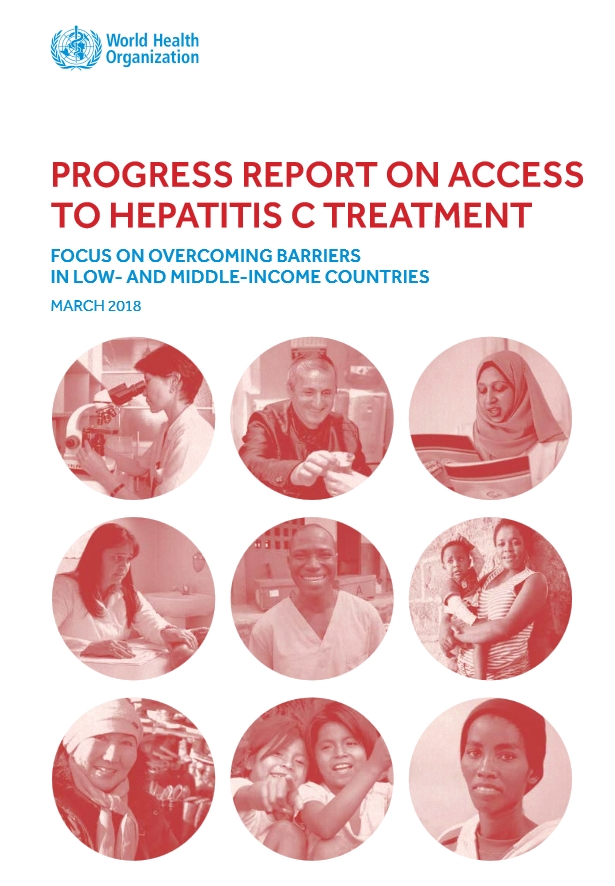
Access to hepatitis C treatments is increasing, so are therapeutic options, but most of those living with the disease are not diagnosed and thus remain untreated, the World Health Organization found in a new report. Upper-middle income and high-income countries continue to pay high prices, impeding equitable access, and those countries which have been most successful in increasing access have mobilised a strong government response, the report found.

New IP-Sharing Framework To Accelerate R&D

Pharmaceutical R&D constantly leads to the generation of new intellectual property (IP), from clinical trial data to libraries of promising compounds. Not all IP assets generated by a company are used in their future R&D. When this happens, companies can choose instead to share them with other third-party researchers, under licensing agreements. The Access to Medicine Foundation has worked with BIO Ventures for Global Health (BVGH) to develop a framework for identifying which IP assets are most difficult for companies to share, yet most likely to speed up R&D of the medicines and vaccines needed by people living in low- and middle-income countries (LMICs), write Clarke B. Cole and Katie Graef.

A Look At The Role Of Governments, Universities, Science In Health Innovation & Access

Intellectual property rights, particularly patents, are considered by some as being a barrier in access to medicines despite being a stimulus for innovation. At a recent symposium co-organised by the World Health Organization, World Trade Organization and World Intellectual Property Organization, speakers also talked about the role of science, governments, and universities in health innovation and access, and how to address challenges such as secondary patents.