Category Health Policy Watch

Trump Declares Intent To Stop Pharma Companies From ‘Gaming’ Patent System

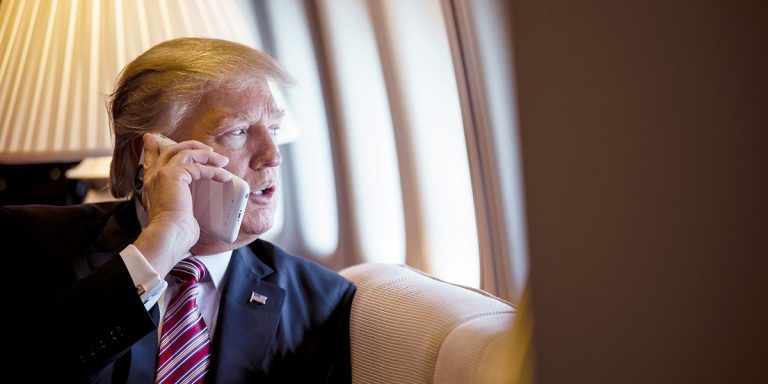
US President Trump today declared in a White House speech his intent to "take steps" to lower drug prices by stopping "gaming of regulatory and patent processes by drug makers to unfairly protect monopolies," as well as increasing price transparency and promoting biosimilars and generics. But to do this, his administration will take on what it sees as "freeloading" on US innovation by foreign governments, and addressing "unfair" intellectual property and market access policies in trade agreements.
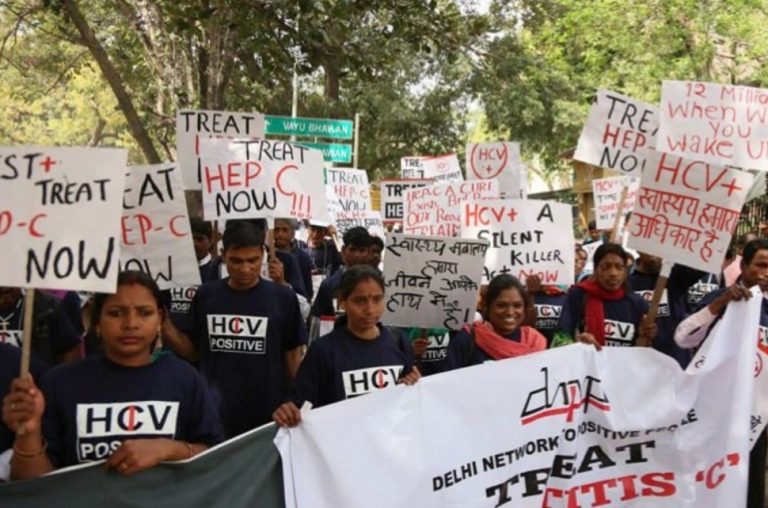
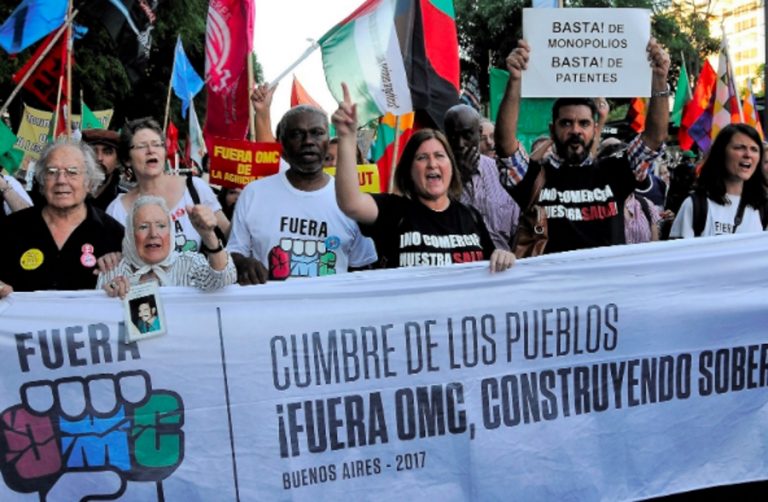
Collective Efforts By Civil Society Groups Bar The Way To Hepatitis C Patents

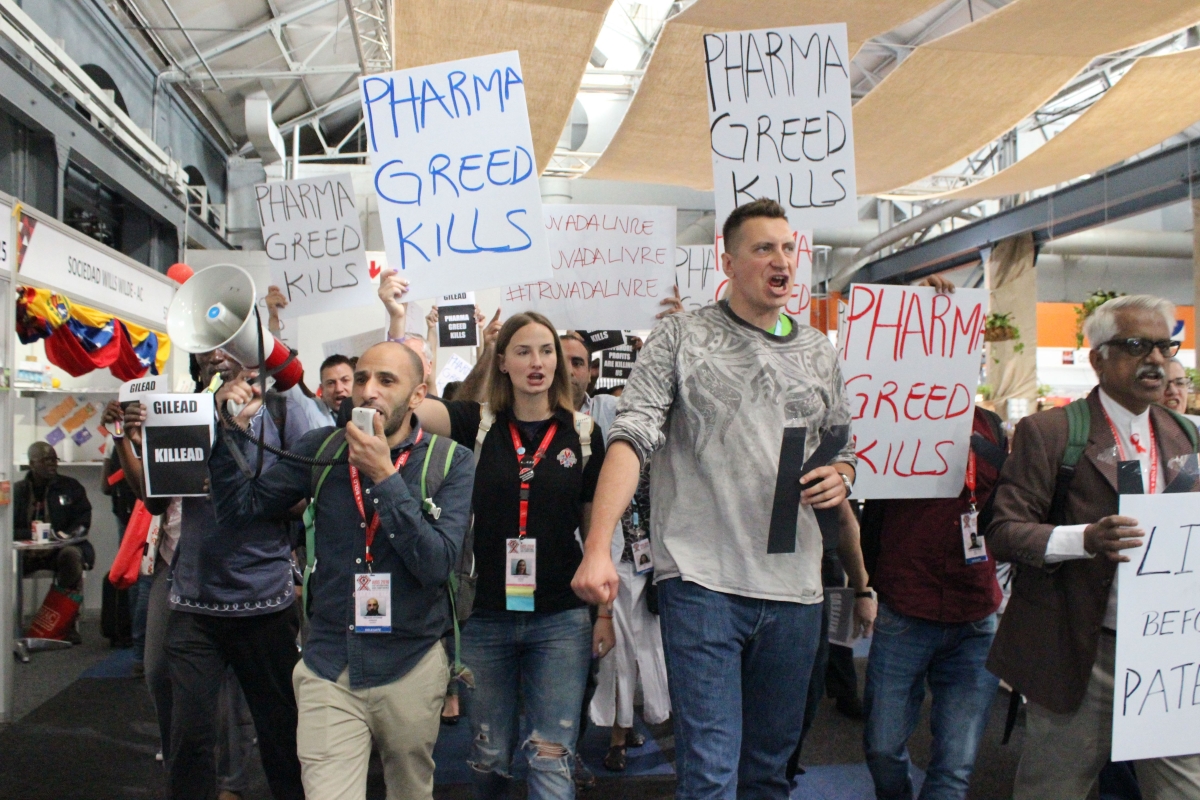
Many hold the view that Gilead’s revolutionary treatment against hepatitis C (sofosbuvir) marked the beginning of a shift in position toward the high prices of medicines, as high-income countries were also faced with an untenable burden to their health systems. In a number of lower and middle-income countries, civil society organised itself to increase access to sofosbuvir for millions in need.

Civil Society Key In TRIPS Flexibility Implementation

When the agreement on intellectual property was adopted by the World Trade Organization, a number of flexibilities were included in the text, mainly to give developing countries policy space to implement the agreement with development considerations. However, some countries through lack of awareness or economic pressure have not used those flexibilities fully, and found themselves facing difficulties addressing their public health needs, which some associate with this failure to use the flexibilities. Civil society has engaged in notable efforts to counter pressure and raise policymakers' awareness for a wider access to medicines.

Brazil’s Federal Court Reviews Medicines Mailbox Patents

This week the media reported that the Brazilian federal court removed the patent protection for eculizumab, sold under the brand name Soliris by Alexion Pharmaceuticals Inc. Eculizumab is used in the treatment of paroxysmal nocturnal hemoglobinuria (PNH), a rare and life-threatening blood disease. The product was approved by the US FDA for this indication in 2016. Brazil’s health care system spent $184.2 million to treat 442 patients with Soliris, an average of over $416,000 per patient. The patent office expects that more revocations may follow. This blog explains why this is.

World Health Assembly 2018 Preview: Guide To Key Issues

The World Health Organization celebrated its 70th anniversary last month. Since the inception of the organisation, the world has changed, and so have its challenges. The global rise of non-communicable diseases is one example of those challenges, as well as the escalating prices of new medicines and chronic access issues in many countries. The annual World Health Assembly will open on 21 May with an ambitious new General Programme of Work for 2019-2023, which promises 1 billion more people under universal health coverage.