Category Features

Promoting Education Rights In South African Copyright Reform

Eve Gray and Desmond Oriakhogba write: The publishing industry is making a mad dash to defeat South Africa’s adoption of a fair use rights in Parliament on Wednesday. Their latest effort includes an alarmist petition being circulated among authors. It is interesting to note that, while one of the most persistent and loud complaints in these protests has been that the drafting of the new legislation was badly handled, our perception, along with a number of experienced observers in the process, has been that the level of discussion and debate; the degree of participation and engagement of government representatives; and the consensus on the needs to be addressed, was of a higher standard and the debate much better informed than in previous such attempts at reform over the past decades. It should also be noted that, while it is true that international publishers might have much to lose in the new law, local publishers, authors and students have much to gain. It is time to lower the heat and concentrate on the facts and context of what is before Parliament.

US IP Stakeholders Seek To Strengthen Public Support For IP, Ensure Future US Competitiveness

NEW YORK -- United States intellectual property stakeholders from academic, business and legal backgrounds gathered recently to discuss how to increase public support to strengthen the intellectual property rights system in the US, in light of China’s steady rise in numbers of patent and trademark filings. US IP stakeholders argued that developing public awareness and understanding of IP is key to building this support, with some holding diverging views on how to go about this.

China Pulling The Cart To Propel Global IP Filings To New Heights, Trademarks Skyrocketing – WIPO

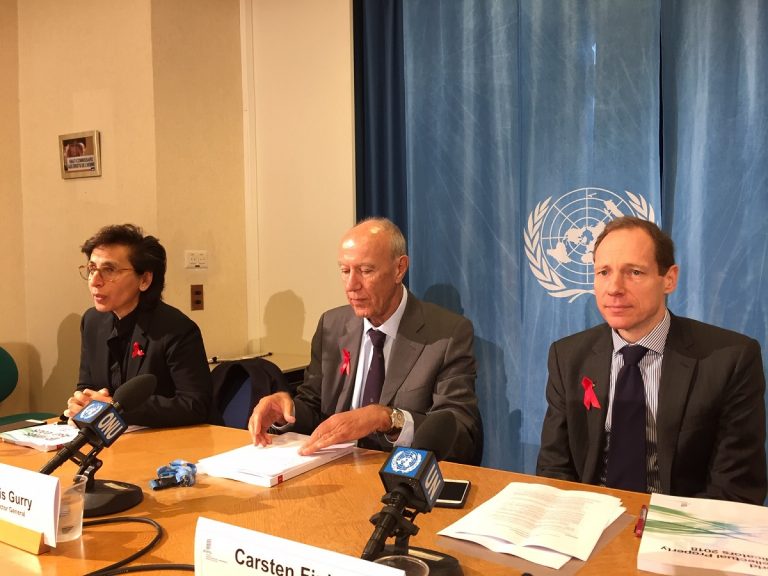
Global intellectual property filing numbers kept rising unabated in 2017, as China continued to pull the numbers upwards. The World Intellectual Property Indicators 2018, published today, also showed what the head of the World Intellectual Property Organization qualified as extraordinary growth in trademark applications. And he remarked on the increasing importance of intellectual property in the contemporary economy.

Interviews With National Publishing Industry Attendees At WIPO’s Copyright Committee

During this week's World Intellectual Property Organization copyright committee meeting, Intellectual Property Watch had the opportunity to meet observers from the international publishing sector who are following the committee's discussions closely. In Geneva at the invitation of the International Publishers Association (IPA), several publishers shared their thoughts about WIPO's work as well as their experience from their own markets. The interviews below represent a range of perspectives, from three different types of markets worldwide.

Do Patent Trolls Exist? Two Studies Reach Different Conclusions (Part 1)

They are called many things. Patent Assertion Entities (PAEs), Non-Practicing Entities (NPEs), Patent Trolls, and on occasion, names not suitable in polite company. They often are accused of harming innovation and the economy, while providing nothing useful in return. They, less often, are said to promote innovation, in part by helping small inventors monetize their discoveries. Two recent academic studies attempt to shed light on this dispute, but their findings seem contradictory – at least at first.

New Database Documents The Power Of TRIPS Flexibilities

Ellen 't Hoen writes: Medicines Law & Policy has published an on-line database of instances of the use of TRIPS flexibilities in public health contexts, titled the TRIPS Flexibilities Database. The publication of the TRIPS Flexibilities Database merits sharing a bit of its history because it has been a work in progress for some time. The database includes cases of actual use of TRIPS flexibilities and instances in which countries planned or threatened to use them. The collection of such cases started ten years ago as part of a research project to document and examine the uptake of the flexibilities contained in the TRIPS Agreement in medicines procurement.

Open Music Initiative: Seeking To Drive The Beat On Global Standards, Rights Attribution

NEW YORK – The Open Music Initiative provides a forum for collaboration across academic, tech and music industry stakeholders around the world, and is working to develop the global standards for music rights attribution that could stand for the next 100 years. Establishing such standards will enable fair compensation to rights holders and creators, and establish a basis for ongoing innovation in the music industry, leading to new digital platforms and services, and new music, according to Open Music members.

The Bumpy Road To Selection Patents In India

Namrata Chadha, of K&S Partners, a Tier 1 Indian law firm, discusses various crucial aspects relating to patenting of selection inventions in India, especially in pharmaceuticals and chemicals. Summary: The patenting of selection inventions is not plain sailing in India. The patentability of such inventions must be determined in accordance with the general provisions of the Indian Patents Act, as there is no separate provision for the same in the Act. Of the said general provisions, the assessment of inventive step and testing under section 3(d) of the Indian Patents Act can be perceived as the most critical to patentability of selected novel species. Additionally, the concepts of ‘implicit disclosure’ and the contrasting views on ‘coverage vs disclosure’ frequently makes it challenging for applicants to defend their novel selection under the Indian scenario. Given the lack of enough precedents in India on this aspect, to date the fate of selection patents depends mostly on the judgement of the patent controllers. Not all hope is lost, however, since not only the Indian Patent Office, but also the IPAB and higher Courts have time-and-again acknowledged the existence of selection patents in India.

A Look At The Proposed EU IP Exception To Promote Generic, Biosimilar Industry Competitiveness

The European Commission has proposed an exception to the extended period of patent protection that the European Union provides to original drug manufacturers for certain products, in order to boost the competitiveness of EU generic and biosimilar industries in global markets. The exception will allow EU generic and biosimilar companies to manufacture protected drugs for export during this patent extension period. Stakeholders are so far unhappy with the exception. Meanwhile, studies analyse its potential economic impacts and legal implications, and the Commission remains confident that safeguards it is putting in place will keep the lower-priced medicines from making their way back into the EU.

China’s Xi Jinping Signals Higher Focus On IP, Market Opening To Ease US-Sino Tensions, But Global Leadership Friction In Innovation To Persist

SHANGHAI, China -- The President of China, Xi Jinping, in a keynote address on 5 November to political and business leaders attending the opening of the first China International Import Expo (CIIE) in Shanghai sent a strong diplomatic signal that Beijing will push ahead with further opening up of the economy to more international competition. In a move to try and ease US-Sino tensions Xi also indicated China will take proactive steps to boost protection of intellectual property rights (IPRs), including harsher penalties against violators - a major grievance for the United States and the pivotal issue in the escalating trade war between the world's two largest economies.

Global Biotech Industry Revisits Geneva, Seeks To Build Relationships To Help Shape Policies

A global association representing biotechnology industries last week made a second annual visit to Geneva's institutions to raise awareness of how the industry works, its needs, and how the association could participate better in policymaking. Dismissing fears of industry unduly influencing public policies, two representatives of the association sat down with Intellectual Property Watch's Catherine Saez to explain the importance of biotechnology in solving the problems of the world, and the need to raise awareness of the perspective of the biotechnology sector.

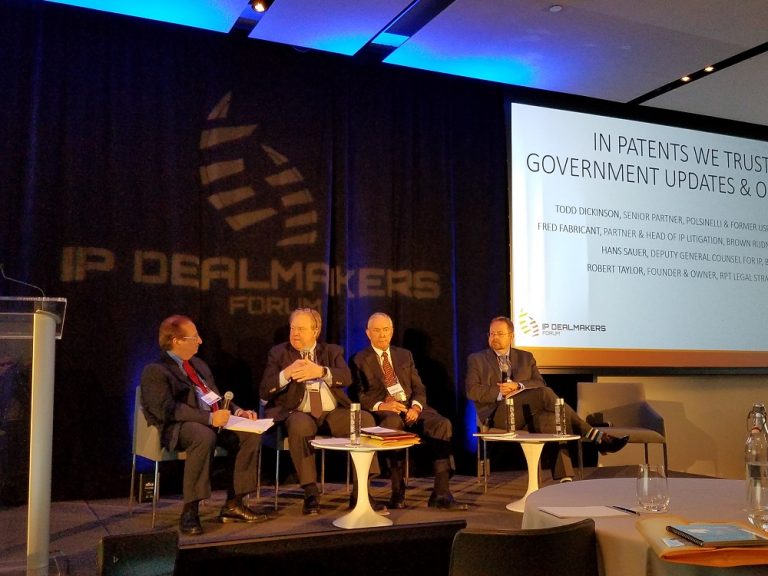
Experts Assess Coming Changes In US Courts And Patentability

NEW YORK -- A panel of legal and government experts this week discussed trends in courts in the United States on patent cases and changes underway at the US Patent and Trademark Office. One conclusion? There may be a real shift in what is seen as patentable in the US, but it may take an act of Congress. [Note: part 1 of 2. The second part will address this week's changes in the US Congress.]