Category Inside Views

WIPO’s Program And Budget Stand-Off Highlights That Member States Must Act On WIPO’s Governance System

As the WIPO Annual Assemblies draw to a close this week, governments face a dramatic stand-off over the organisation’s biennial Program and Budget. Unless a series of its demands regarding the organisation’s financing and treaty-making processes are met, the United States is refusing to approve the WIPO budget – a decision Member States normally take by consensus. While sparring among governments over the budget and content of a UN organisation’s programs is not unusual, the debate at WIPO this year highlight challenges at the heart of its governance system, writes Carolyn Deere.
Section 301: US Investigates Allegations Of Forced Technology Transfers To China

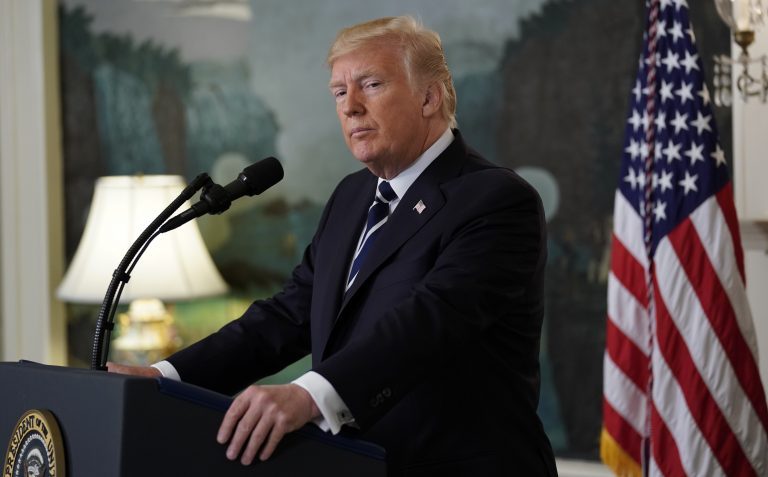
On 18 August 2017, the Trump administration invoked Section 301 of the Trade Act of 1974 to launch an investigation into alleged Chinese violations of intellectual property rights (IPR). In response, China stated that the United States ‘disregards the rules of the WTO’ and that it will ‘take all proper measures to safeguard its legitimate rights’. Alongside investigations into steel and aluminium imports, the new Section 301 case holds the potential to escalate US–China trade tensions, write Zhiyao (Lucy) Lu and Gary Clyde Hufbauer.

WIPO, Pharma Join Forces To Set Up Database For Medicine Procurers

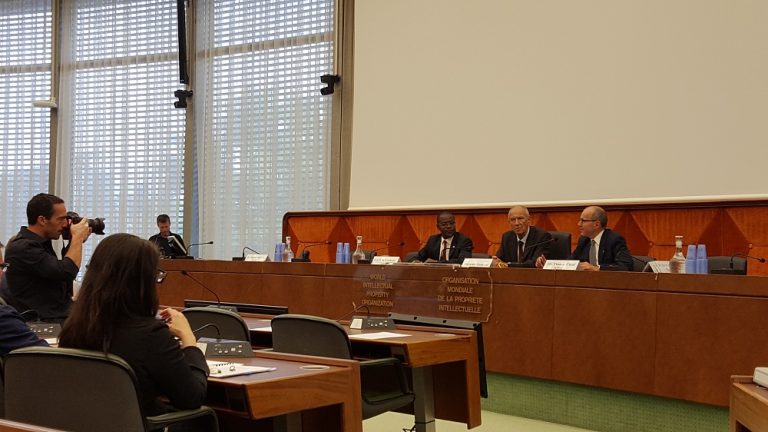
Today WIPO Director General Francis Gurry and Thomas Cueni, Director General of the International Federation of Pharmaceutical Manufacturers and Associations (IFPMA), signed an agreement establishing the Patent Information Initiative for Medicines, or “Pat-INFORMED,” during the General Assemblies of the Member States of WIPO taking place this week. IFPMA worked with Intellectual Property Watch to prepare a Q&A with Mr Gurry and Mr Cueni about this new initiative.

Interview With New Korean IP Commissioner Sung Yunmo

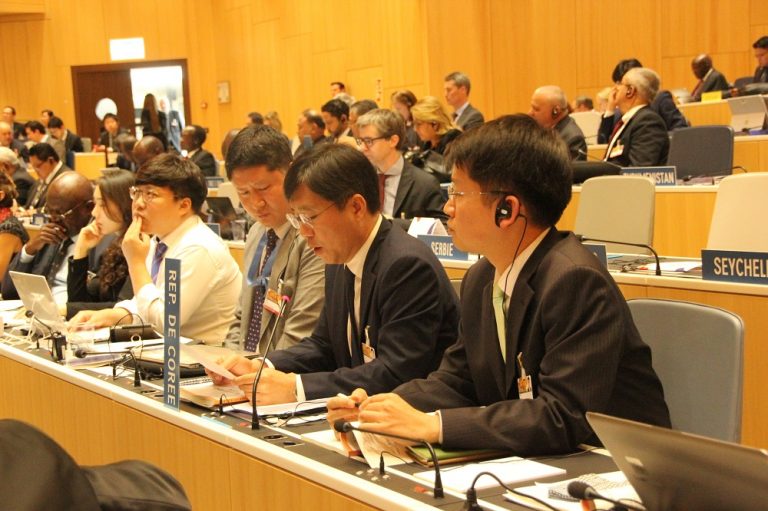
Korean Intellectual Property Office (KIPO) Commissioner Sung Yunmo took office a couple of months ago and is attending the annual World Intellectual Property Organization General Assembly this week. In that context, he sat down with Intellectual Property Watch, and in a Q&A mutually prepared Q&A, he described some of the policies and plans for his term of office, collaboration with WIPO, international partnerships, a proposed WIPO office in Korea, and regional efforts toward global harmonisation.

Four Stages To Monetizing A Patent Portfolio

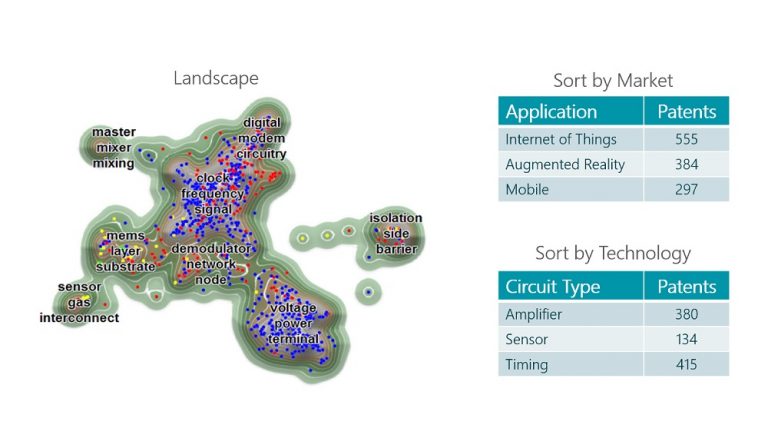
 By Martin Bijman, Director, Intellectual Property Products , TechInsights Successfully pursuing the monetization of IP assets requires an accurate assessment of their value and position within the marketplace. Essentially, monetizing a patent portfolio includes four key steps: Developing an accurate…

Did Monsanto Write Malawi’s Seed Policy?

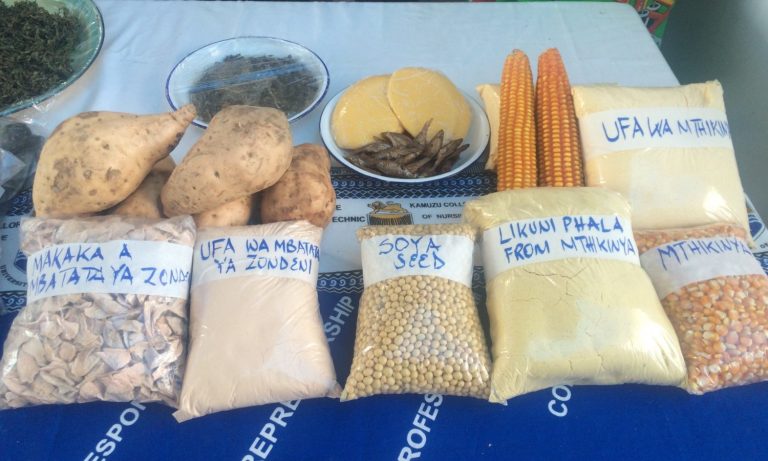
Tim Wise writes: In late July, a short article was published in a Malawian newspaper: “Press Release on Organization of Seed Fairs.” Issued by the Ministry of Agriculture, Irrigation, and Water Development, in conjunction with the Seed Traders Association of Malawi, the short statement advised the public that “only quality certified seed suppliers registered with Government to produce and/or market seed should be allowed to display seed at such events.” The release was signed by Bright Kumwembe for the Agriculture Ministry.

I received this news in the United States as I prepared a research trip to Malawi, and I was shocked. Malawi is in the final stages of a multi-year effort to reform its seed policy and laws, and the largest point of contention at this point is the failure of the draft policy to recognize and protect so-called “farmers’ rights” to save, exchange, and sell the seeds they grow on their farms.

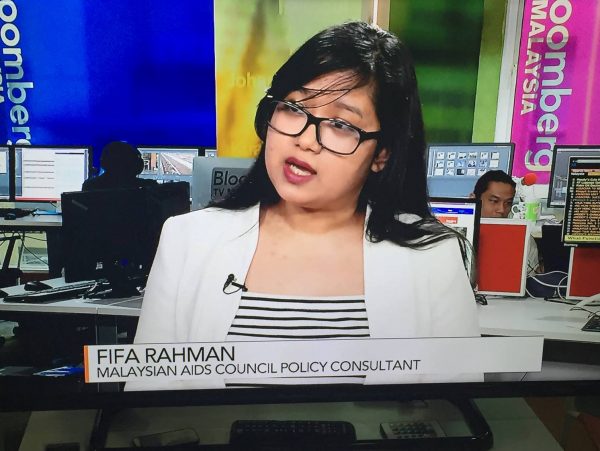
Fifa Rahman

Malaysia Inclusion In Gilead Voluntary Licence – A Product Of Compulsory Licence Pressure

Gilead’s announcement today that they would include four middle-income countries (Malaysia, Thailand, Belarus, Ukraine) in their sofosbuvir voluntary licence was a welcome surprise, and will enable millions access to their highly effective, but exorbitantly priced, drug. The decision to include these countries, however, no doubt is a response to increasing pressure from within these countries to either issue a compulsory licence (CL) or a government use licence (GUL), invalidate the sofosbuvir patents, or block data exclusivity for the drug.

The Dilemma Of Fair Use And Expressive Machine Learning: An Interview With Ben Sobel

Intellectual Property Watch recently conducted an interview with Ben Sobel, law and technology researcher, teacher, and fellow at Harvard University's Berkman Klein Center for Internet and Society. Sobel has focused his research on copyright and the fair use doctrine, in particular in the context of artificial intelligence (AI). Below, he shares his views on expressive machine learning, “the fair use dilemma” and “Big Content versus Little Users”. The most pressing copyright question has to do with AI readers, not AI authors, according to Sobel.

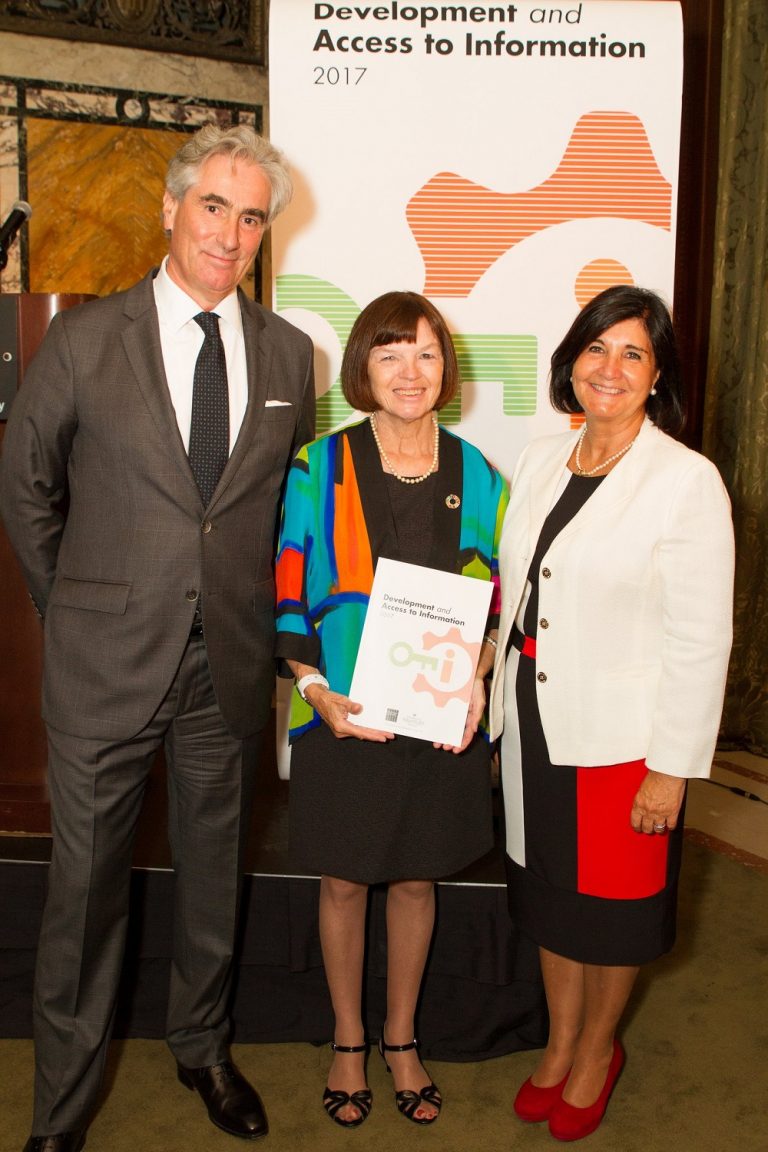
Information, Access, And Development: Setting A Course For The Sustainable Development Goals

Gerald Leitner writes: Information is the raw material for decision-making. When individuals and groups make the right choices, based on good information, their chances of taking a full role in economic, social, cultural and civic life improve. They can better create and innovate, participate in politics, find and do their jobs well, and live healthily.

Informed citizens and communities are also essential to the UN’s 2030 Agenda. We cannot have sustainable development when individuals are not able to deal with new choices and challenges autonomously, drawing on access to information. And we cannot have inclusive development, with no-one left behind, unless this access is real and meaningful for everyone.

Libraries have long sought to do this, making sure that the world’s heritage is preserved and made accessible, allowing the sharing of knowledge between institutions and across borders, and giving children, families, students and others the chance to enjoy works which they could never afford to pay for individually.

Why Fair Dealing Is Not Destroying Canada Publishing

For the past few years, publishers around the world have engaged in a sustained campaign to hold up Canada as proof that making fair dealing more flexible for education will hurt publishers. Those efforts rarely tell the whole story: that paid access remains the primary source of materials in Canada, that educational copyright policies in Canada are primarily a function of court decisions not copyright reform (the emphasis on fair dealing came before the 2012 reforms), that global publishers were reporting marketplace challenges that have nothing to do with copyright, that Canadian publishers that supposedly stopped publishing were still in business, that court affidavits from Canadian publishers focus on many concerns other than copyright, and that a study from one Canadian publisher association highlighted issues such as open access and used book sales. University of Ottawa law professor Michael Geist expands on the reality of Canadian publishing and copyright law.

To Print Or Not To Print: Innovation And IP Issues In 3D Printing

3D printing used to be an expensive product design tool, but it is quickly becoming an affordable and accessible technology. First emerging in the 1980s, the availability of low-cost, high-performance 3D printers has put the technology firmly within reach of consumers. While this provides a number of opportunities for designers and manufacturers, there is also concern around the impact on IP rights, writes Jia Li.