
Copyright Law Reform in Brazil — Anteprojeto or Anti-project?
A balancing of the rights of authors and consumers, the re-introduction of a private copying exception, a remixing permission and a new regulatory agency for copyright issues are among the core points the Brazilian Ministry of Culture has planned for the new copyright law. But at the Third Conference on Copyright and the Public Interest in São Paulo a month ago, the Ministry emphasised that the bits and pieces shown to the audience were not from an actual law draft ("anteprojeto") but only a preliminary proposal for formulating such a draft. The bill still has not been published to date. The delay in releasing the bill for public consultation now threatens the work of more than two years on the reform.

 Daniele Dionisio argues some perspectives on health and IP might change now that controversial practices at the WTO, World Bank and IMF are increasingly under pressure, and that new government policy choices and actors on the world chessboard are emerging.
 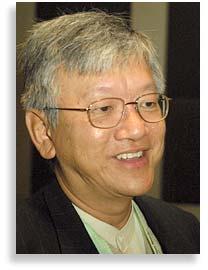 Martin Khor, executive director of the intergovernmental South Centre on critical issues facing the global South related to intellectual property - such as climate change, and the challenge of global IP infrastructure - and what the South Centre’s plans are to address them.
 The third amendment of Chinese Patent Law enters into force from 1 October, 2009. This article by Wenting Cheng explores the major changes in substantive requirements for patent grant, post-grant enforcement and adaptation of Chinese Patent Law to international norms on the protection of intellectual property.