Steven Seidenberg

Steven Seidenberg

US High Court Muddies Rule On Design Patent Damages

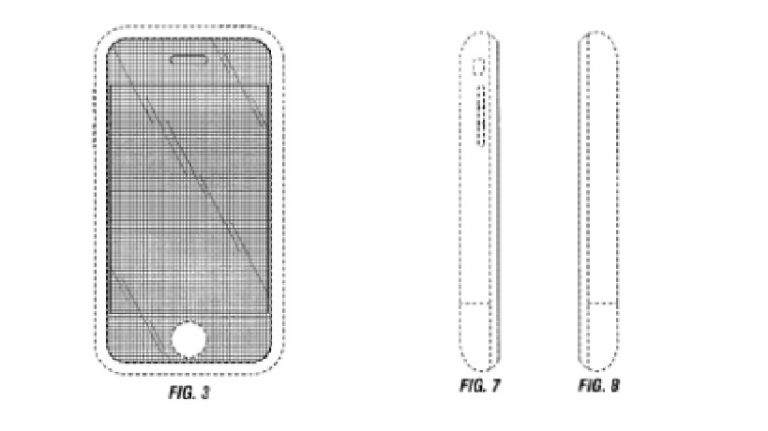
The United States Supreme Court yesterday provided a big victory for Samsung – and common sense, according to many experts. The high court ruled that Samsung need not pay $399 million in damages – all the company’s profits from 11 models of smartphones – simply because one or two tiny components of those phones infringed design patents owned by Apple. But Samsung isn’t out of the woods yet. Because despite the importance of today’s Supreme Court decision, the high court left an even more important issue unresolved.


New US Copyright Rule Sets Trap For Online Firms

The US Copyright Office is supposed to balance the interests of copyright owners with the interests of everyone else. However, the Office’s latest regulation, which takes effect 1 December, may be anything but fair and balanced. It could, according to critics, strip Facebook, YouTube, and other online companies of a vital statutory safe harbor, thus making these companies liable when their users post infringing material online. Online companies could face billions in infringement damages, driving them out of business.

US High Court Puts Unreasonable Delay On Trial

On its face, the case is a humdrum, procedural dispute about a patentee’s delay in filing an infringement suit. But if the Supreme Court rules the way most experts expect, the decision will significantly enhance the power of patent trolls and others alleging patent infringement, and it will harm many companies doing business in the US – especially companies in the tech sector. Much hangs in the balance on 1 November, when the Supreme Court hears oral arguments in SCA Hygiene Products AG v. First Quality Baby Products, LLC.

US Supreme Court To Examine Outsized Infringement Damages

Patent infringers are supposed to pay damages, but the award in this case struck many as ridiculous. Some Samsung smartphones contained one or two purely decorative design elements that had been patented by Apple. But instead of paying modest damages for what many see as a tiny infringement, Samsung was ordered to pay $399 million – all the profits the company had made from its infringing phones. The Federal Circuit said it had no choice but to approve those damages; it was constrained by statute. Critics, however, said that the Federal Circuit had misinterpreted the statute. They fret the court’s error will unleash a wave of design patent infringement suits that will harm innovation, stifle competition, and empower patent trolls. Which is why so many will be paying close attention on 11 October, when this dispute comes before the US Supreme Court.

US High Court Restores Treble Damages For Patent Infringement

Pulse Electronics was guilty of patent infringement. That had been decided long ago. The only remaining issue was how much Pulse must pay for its wrongdoing. The company could be liable for treble damages, provided its infringement was willful. Fortunately for Pulse, willful infringement was almost impossible to prove, thanks to a standard established by the Federal Circuit. Unfortunately for Pulse, its lawsuit reached the US Supreme Court. And in its recent ruling on the case, the high court threw out the Federal Circuit’s standard, making it far easier to prove willful infringement. The decision is likely to have an important impact on patent litigation, the courts, and companies doing business in the US.

US Courts Split On Legality Of Music Sampling

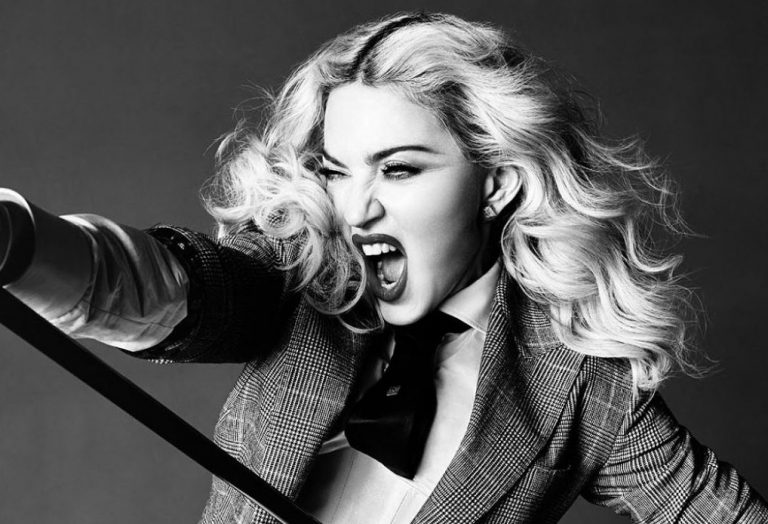
De minimis non curat lex – the law does not concern itself with trifles. This venerable legal principle is applied throughout the world, but not in one part of US copyright law. Copying any part of a sound recording, no matter how tiny, is actionable copyright infringement, according to an eleven year-old US appellate court ruling. Following that ruling, pop star Madonna found herself sued because her hit song, Vogue, allegedly copied a fraction of a second of another song. That copyright infringement suit was thrown out on 2 June, however, when a different appellate court ruled that de minimis infringements of sound recordings do not create any liability. Now US copyright law is in a muddle.

US High Court To Consider IP Protection For Clothing Design

Fashion in the US generates over $330 billion in annual revenues, but it is more than a business. Fashion is a well-recognized art, displayed in numerous museum exhibitions throughout the world. This art, however, receives little IP protection in the US. But a case before the US Supreme Court could change that.

In US, Growing Battle Over Offensive Trademarks

The US Patent and Trademark Office (USPTO) is not admitting defeat. It is still refusing to register trademarks that disparage people, even though this policy violates the First Amendment’s guarantee of free speech, according to a December decision by the Federal Circuit Court of Appeals. The USPTO has appealed the court ruling, and many experts expect the Supreme Court will soon rule on whether there is constitutional protection for disparaging marks. [Updated!]

Despite Supreme Court Ruling, Foreign Sales Don’t Affect US Patent Rights

The controversial ruling was perhaps to be expected. The Federal Circuit Court of Appeals doggedly hewed to its existing interpretation of patent law. Unfortunately, the court’s decision in Lexmark International v Impression Products conflicts with recent Supreme Court jurisprudence, according to many experts – thus leaving unresolved some important questions about how much control patentees can maintain over their patented products.