Steven Seidenberg

Steven Seidenberg

China’s “Theft” Of Foreign Technology Prompts Unlawful US Response, Experts Say
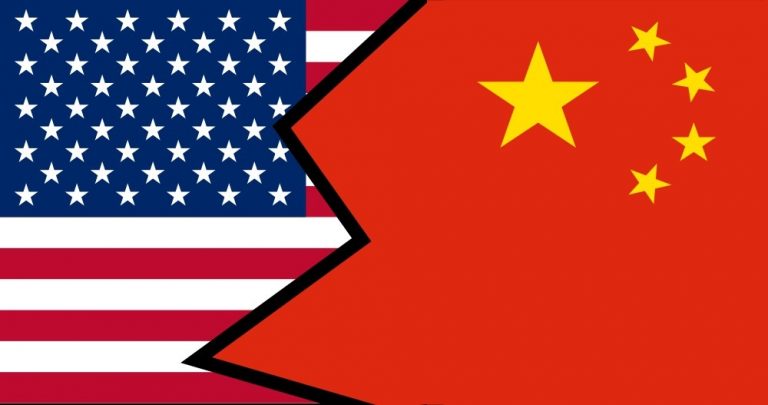
This time Donald Trump was correct: China has, for years, unfairly obtained and exploited American intellectual property and technology. But Trump’s response – imposing $50 billion in tariffs annually on a wide variety of Chinese imports – is problematic, experts warn. The tariffs appear to violate World Trade Organization rules, undermine the international rules-based economic order that has served the West well for decades, and threaten to ignite a trade war between the world’s two biggest economies.


ISPs In US Face New Copyright Challenge

Online firms don’t do enough to combat copyright infringement. That, at least, is what US copyright owners have been saying for years. They recently received some good news from the US Fourth Circuit Court of Appeals. The decision in BMG Rights Management v. Cox Communications puts new teeth in the legal requirements for internet service providers (ISPs) to act against infringing customers. The ruling, however, is worrying ISPs and many legal experts, because it empowers copyright trolls, increases costs for ISPs, and puts many of their customers in an untenable situation.

US May Extend Its Patent Damages Worldwide

On January 12, the US Supreme Court agreed to hear a case that could produce a major change in US patent law, with effects reaching far beyond America’s borders. At issue in WesternGeco LLC v. ION Geophysical Corp. is whether and when a US patent owner can collect infringement damages on a global basis.

US IP Law – A Look At The Year Ahead

In the coming year, one US Supreme Court case promises to dominate developments in America’s IP law. The upcoming decision in Oil States Energy Services v. Greene’s Energy Group could have major ramifications for patents, copyrights, trademarks, and the USPTO. But even as that case steals the limelight, 2018 could bring other significant changes to America’s IP law. Here are some of the key developments to watch for.

US Court Strikes Down Bar On Scandalous Trademarks

Yet another part of US trademark law is dead. On Friday, a US appellate court struck down a statutory provision that prohibited the registration of immoral or scandalous marks. The decision was almost inevitable, after a recent Supreme Court ruling applying the US Constitution’s free speech guarantees to trademark law. And it is likely to be followed by further successful court challenges to America’s trademark law.

Must All Foreigners Online Comply With US Copyright Law? (Part 2 of 2)

A case now before the DC Circuit Court of Appeals, Spanski Enterprises v. Telewizja Polska, creates a legal dilemma. The court needs to find Telewizja liable for copyright infringement, or else the court will create a roadmap for pirates, enabling them to stream copyrighted works into the US with impunity. But if the court finds Telewizja committed infringement simply because the Polish company put online works that could be accessed in the US, the court will apply US copyright law in an extraterritorial manner that will create problems around the globe.

Must All Foreigners Online Comply With US Copyright Law? (Part 1 of 2)

US copyright law is supposed to apply only within US borders, not to actions done in Poland. But when a company in Poland streamed copyrighted TV shows into the US, that infringed US copyrights, according to a US trial court. This decision will be upheld on appeal, experts widely expect. Such an appellate decision, however, could expand the reach of US copyright law to a problematic extent. It will be tricky to find infringement in this case without also extending US copyright law to any online content posted anywhere on the globe.

In US, New Legal Ploy May Protect Bad Patents

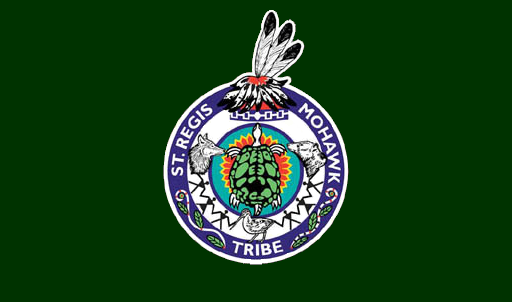
It had been a bad three months for Allergan, Inc. The drug maker’s stock price had fallen over 20 percent, as the company faced two legal challenges to the patents on its blockbuster drug, Restasis. Then, on 16 October, Allergan lost one of those challenges. A US court found the patents invalid. Allergan vowed to appeal, thus maintaining its monopoly on the drug until a final court determination, which could be over a year away. But Allergan’s monopoly could collapse far sooner, if the company were to lose the second challenge to the patents, before the USPTO. Such a loss was probable, as the agency had already found a “reasonable likelihood” that prior art invalidated the patents on Restasis. So back in September, Allergan employed an innovative legal strategy: The company gave its patents to a Native American tribe, and the tribe claimed its sovereign immunity prevented the USPTO from reviewing the patents’ validity. If this strategy were to succeed, it will do far more than just boost Allergan’s bottom line. The new strategy will increase the power of patent owners, help patent trolls, and dramatically alter the US patent system.

The Consequences Of Killing USPTO Patent Reviews

Does the US Constitution prohibit the USPTO from striking down issued patents? That question will be decided by the US Supreme Court later this term. Should the Court rule against the USPTO, it would dramatically alter the US patent system in favor of patentees, give a big boost to patent trolls, and damage innovation in the US. The ruling also would make the US an outlier among major industrialized countries – turning it into the only such nation where patents could not be challenged in administrative proceedings.

How USPTO Patent Reviews Became Imperiled

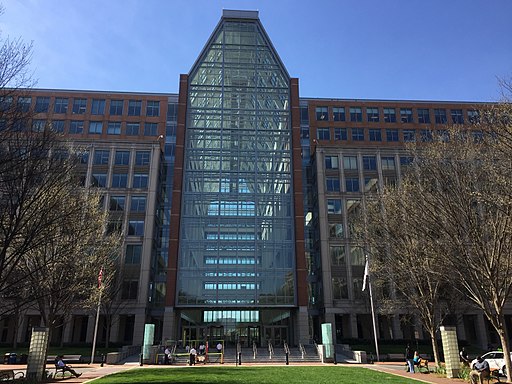
Initially, the lawsuit was widely viewed as a waste of time. The suit asserted a strained legal argument that already had been rejected twice by federal appellate panels, in 1985 and 1992. Yet this lawsuit, Oil States Energy Services v. Greene’s Energy Group, has now reached the US Supreme Court. So later this term, the high court will decide whether the US Constitution prevents the US Patent and Trademark Office from ever striking down issued patents.