Patralekha Chatterjee

Patralekha Chatterjee

The Myth Behind Health And Trade Agreements – Q&A With Othoman Mellouk

Dr Othoman Mellouk is a Moroccan treatment advocate who has been working on intellectual property and access to medicines for more than a decade. He is the Intellectual Property and Access to Medicines Lead at the international treatment preparedness coalition (ITPC), a global network of people living with HIV and their advocates working together to achieve access to HIV and Viral Hepatitis and a member of the WHO Strategic and Technical Advisory Committee on HIV and Hepatitis. Dr Mellouk started off in the Association for the Fight against AIDS which has been at the forefront of the response to HIV in Morocco and the introduction of the first anti-HIV generic medicines in the country. In a series supported by the Make Medicines Affordable organisation, Mellouk recently engaged in an interview with Patralekha Chatterjee for Intellectual Property Watch. [Note: this interview is one of two. An interview with Carlos Correa will follow.]
Five Years After The Indian Supreme Court’s Novartis Verdict

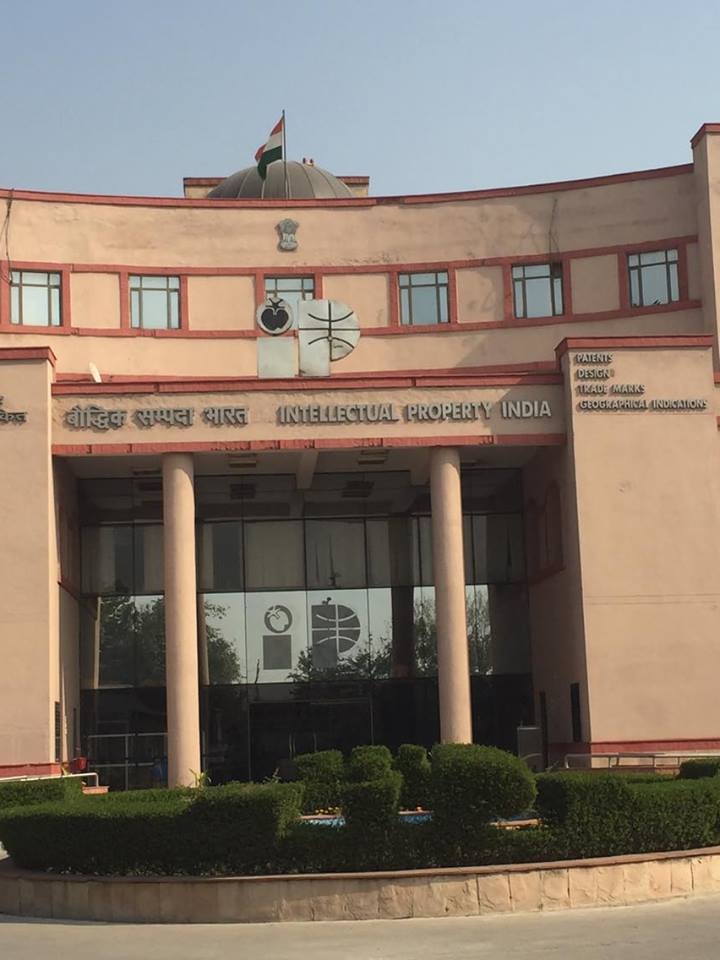
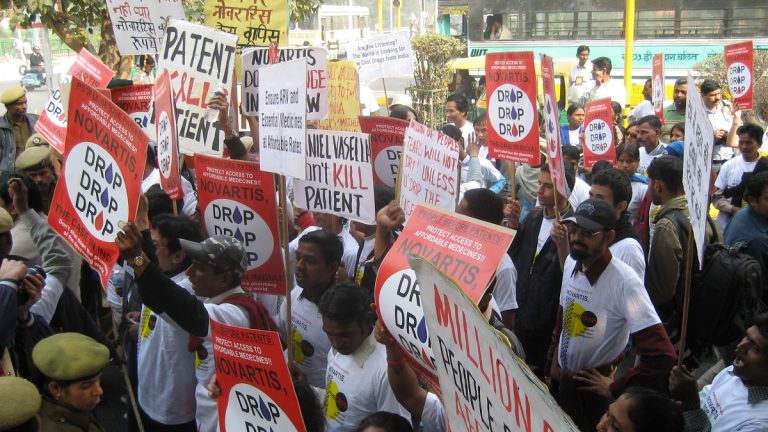
On 1 April 2013, in a packed room inside India’s Supreme Court, a magnificent building in Indo-British architectural style, two judges delivered a verdict that impacted the national and global conversation about patents and patients. India’s apex court delivered a 112-page landmark judgement which dismissed Swiss pharma giant Novartis AG’s appeal for a patent for its life-saving cancer drug marketed under brand name Glivec in most parts of the world. The Novartis case triggered a hugely polarising discourse around the world about a key feature of India’s patent regime.

Access To Affordable Healthcare: A Global Wake-Up Call Fosters Coalition Of The Like-Minded

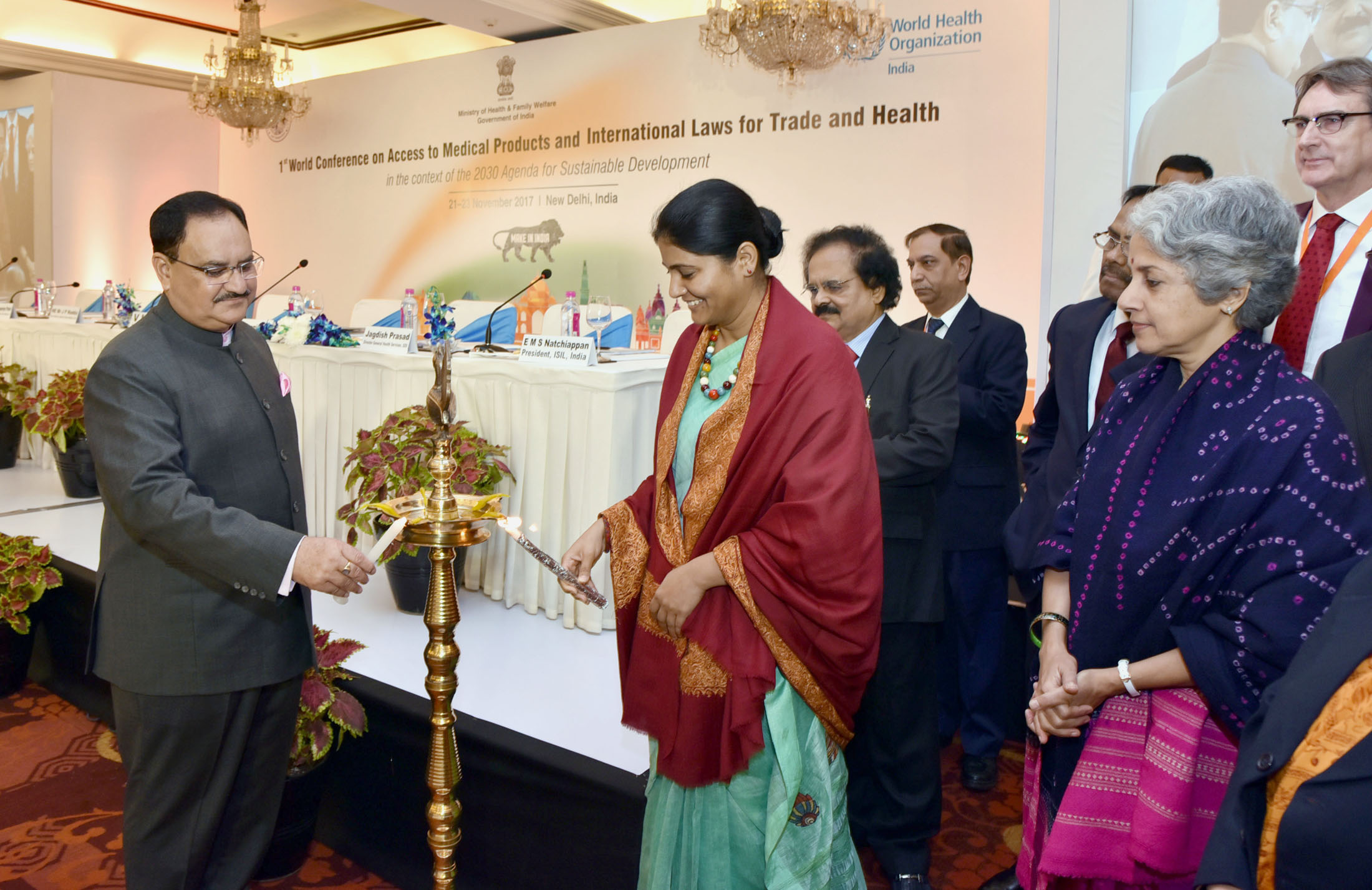
NEW DELHI -- Few topics in the global health agenda are as contentious as access to affordable medicines and medical care, and expectedly, divergent views permeated the discussions at a high-level conference in New Delhi, India last week. But if there is one thing that the three-day meet made amply clear, it was this: access to affordable healthcare has emerged as a global problem, and an emerging coalition of the like-minded, cutting across the developed and developing countries, is determined to have their voices heard in international policy circles on the issue.

US Industry Airs Hopes, Frustrations On IP Rights In India

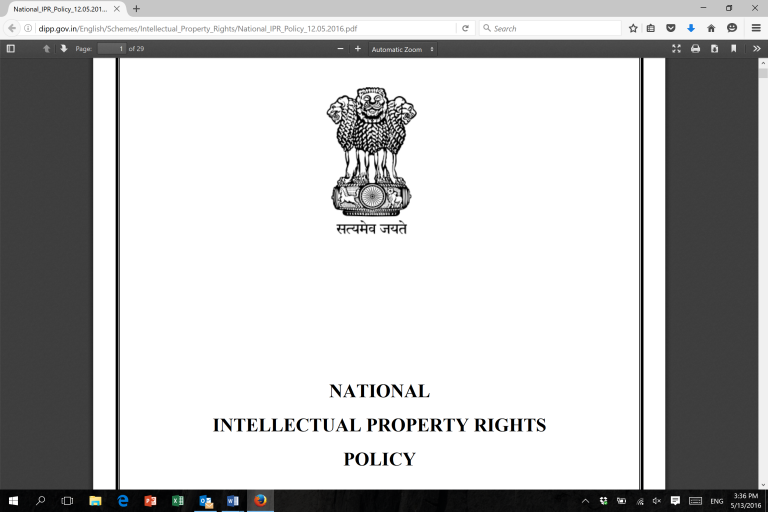
What do global innovators make of India’s new National Intellectual Property Rights Policy? A recent discussion on “India’s National IPR Strategy: A View from Global Innovators” in Washington DC attempted to assess the opportunities and challenges ahead from the perspective of American companies.

India Releases New Intellectual Property Policy; Reactions Building

The Indian government today released its long-awaited new intellectual property policy, and preliminary reactions appear to be that it caters to international pressures while attempting to provide a national focus. A more careful reading with reactions will follow.

Special Report: The Battle For Biosimilars In India

[story updated] Biosimilar drugs hold out big opportunities for India’s drug companies. But the future is fraught with challenges. One key challenge is regulations.

What does this mean for countries like India, an emerging market for biosimilars? How will the evolving global regulatory environment on biosimilars impact patients?

Last month, both these questions came to the fore as the battle over biosimilars moved centre stage in this country in the wake of an interim order by the Delhi High Court, and then another decision by a Division Bench of the same court which took a different view.

Special Report: India Rocked By Report Of Secret Assurance To US Industry On IP

That the Indian government has been under pressure from the United States to change its patent regime is no secret among those who follow the public discourse on intellectual property rights. Now, a new controversy about India’s alleged private assurance to the US-India Business Council (USIBC) and other lobby groups that it would not invoke compulsory licensing for commercial purposes seeks to add fuel to fiery speculation about a shift in India’s policy on IPR.

Gilead Sovaldi Case Reveals Patent-Health Fissures In India

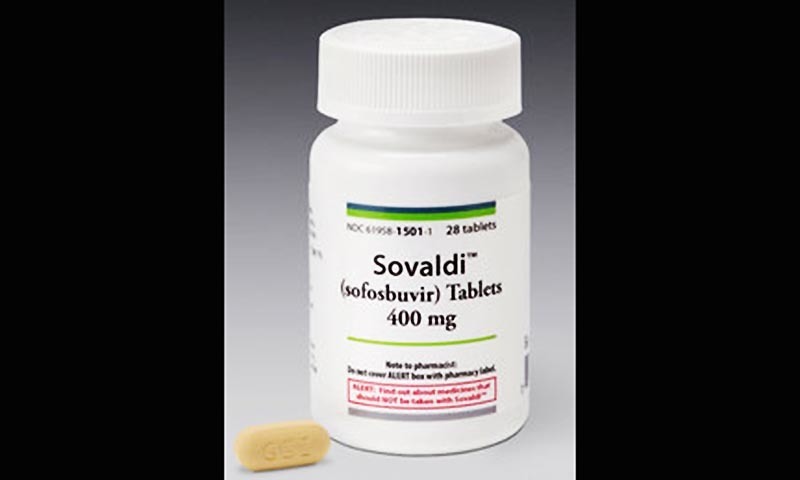
NEW DELHI -- Are patient groups, health activists and manufacturers of low-cost generic drugs always on the same page? Do India’s generic companies think alike? The short answer: not necessarily, though their interests have overlapped on many occasions.