David Branigan

David Branigan

Open Music Initiative: Seeking To Drive The Beat On Global Standards, Rights Attribution

NEW YORK – The Open Music Initiative provides a forum for collaboration across academic, tech and music industry stakeholders around the world, and is working to develop the global standards for music rights attribution that could stand for the next 100 years. Establishing such standards will enable fair compensation to rights holders and creators, and establish a basis for ongoing innovation in the music industry, leading to new digital platforms and services, and new music, according to Open Music members.

A Look At The Proposed EU IP Exception To Promote Generic, Biosimilar Industry Competitiveness

The European Commission has proposed an exception to the extended period of patent protection that the European Union provides to original drug manufacturers for certain products, in order to boost the competitiveness of EU generic and biosimilar industries in global markets. The exception will allow EU generic and biosimilar companies to manufacture protected drugs for export during this patent extension period. Stakeholders are so far unhappy with the exception. Meanwhile, studies analyse its potential economic impacts and legal implications, and the Commission remains confident that safeguards it is putting in place will keep the lower-priced medicines from making their way back into the EU.

Key Hepatitis C Drug Licensed To Medicines Patent Pool, Access Expanded For LMICs

A key drug to treat hepatitis C has been licensed to the Medicines Patent Pool, enabling generic production and expanding affordable access to the drug in low and middle-income countries, excluding the very largest. The agreement between the Pool and AbbVie had been over a year in the making, MPP Executive Director Charles Gore told Intellectual Property Watch.

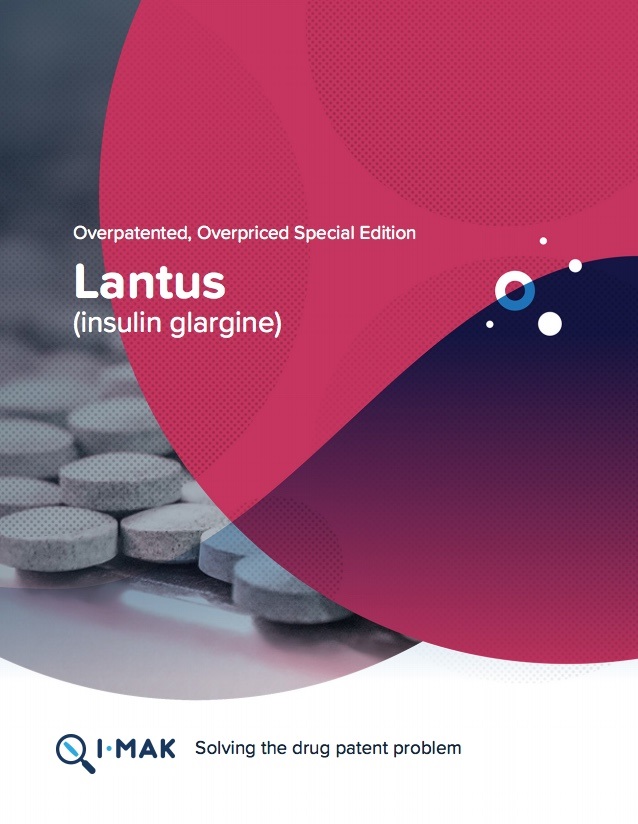
Report Finds “Overpatenting”, Overpricing Of Top Diabetes Drug In US

Non-profit patent researchers studying the most prominent prescription insulin drug to treat diabetes in the United States found it is “overpatented” and “overpriced,” enabling unwarranted price-hikes resulting in rising costs for patients and taxpayers.

UAEM: In ‘Historic” Shift, Universities In Canada Adopt Licensing Promoting Access To Medicines

Universities Allied for Essential Medicines (UAEM) announced today that University of Calgary and McGill University are joining University of British Columbia in adopting Global Access Licensing Principles. These principles promote public access to publicly-funded medicines and life-saving health technologies developed in universities, according to a UAEM press release [pdf].

Group Proposes Regulating Internet Hate Speech Through Decentralisation

French advocacy group La Quadrature du Net has declared recent French government plans to regulate internet hate speech insufficient, and is calling for more in-depth reforms. These could include the promotion of alternative social media platforms and a decentralised approach to regulation, according to an organisation press release.

Advocates Call For New US Federal Authority On Artificial Intelligence

Public Knowledge, a Washington, DC advocacy group, today released a paper calling for the formation of a new federal government authority to develop expertise and capacity on artificial intelligence (AI), to be able to effectively regulate and govern these technologies in the future.

Report: Is China Gaining The Inside Track On Standards For “Internet Of Things” Technology?

A new US private sector report asserts that China is gaining the inside track on international standard-setting for “Internet of Things” technology, and offers strategies for the United States to keep competitive in the marketplace by maintaining influence over standard-setting while protecting data security.

New Report: Mitigating Patent Linkage To Promote Medicines Access In LMICs

A new report reviews how patent linkage mechanisms have been implemented in South Korea, Australia, Canada, and the United States, and identifies precedents for how low and middle-income countries (LMICs) can retain and exploit “constructive ambiguities” in trade treaty text to mitigate the impacts of patent linkage mechanisms and promote the timely availability of generic medicines.