Catherine Saez

Catherine Saez

WIPO Members Working Out Response To Independent Review of Development Agenda

The first review of the implementation of the 2007 Development Agenda Recommendations aimed at infusing a development dimension into the World Intellectual Property Organization found that this implementation had been mostly consistent with the expectations of member states, but the review provided a list of suggestions to fill additional gaps. In committee this week, some countries asked that the WIPO secretariat prepare a response on how it plans to implement the recommendations provided by the experts conducting the review, but this is yet to be agreed.
WIPO Committee Debates SDGs, Review Of Development Agenda Recommendations

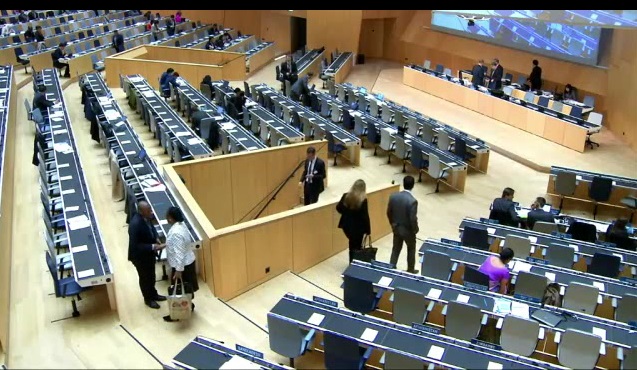
The World Intellectual Property Organization Committee on Development and Intellectual Property (CDIP) is meeting this week with an agenda including the presentation of a first review on how well WIPO implemented its Development Agenda Recommendations from 2008 to 2015. Also on the agenda is a discussion on what United Nations Sustainable Development Goals can be applied to WIPO’s work, and what the role of WIPO is in technology transfer.

Proposal By WHO To Increase Country Contributions Receives Mixed Reactions

As the head of the World Health Organization warned of funding shortfalls at this week’s financing dialogue, she also proposed to raise assessed country contributions by 10 percent to help mitigate the situation. However, countries had a different take on the suggestion, which is expected to be further considered in the discussions on the budget for 2018/2019, at the Executive Board meeting in January, and at the annual World Health Assembly next May.

Chan Issues Clarion Call For Increased WHO Funding

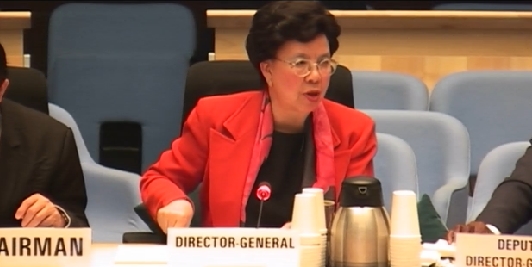
World Health Organization Director General Margaret Chan today warned of serious funding shortfalls for the current biennium endangering the implementation of certain programmes. Areas most in need of financing include non-communicable diseases (such as cancer, diabetes and cardiovascular diseases), food security, and antimicrobial resistance. The high-profile Health Emergencies Programme is also underfunded and Chan proposed to ask countries to raise their assessed contributions at the next World Health Assembly.

WHO: More Hepatitis C Patients Being Treated In Developing Countries; Price Still An Issue

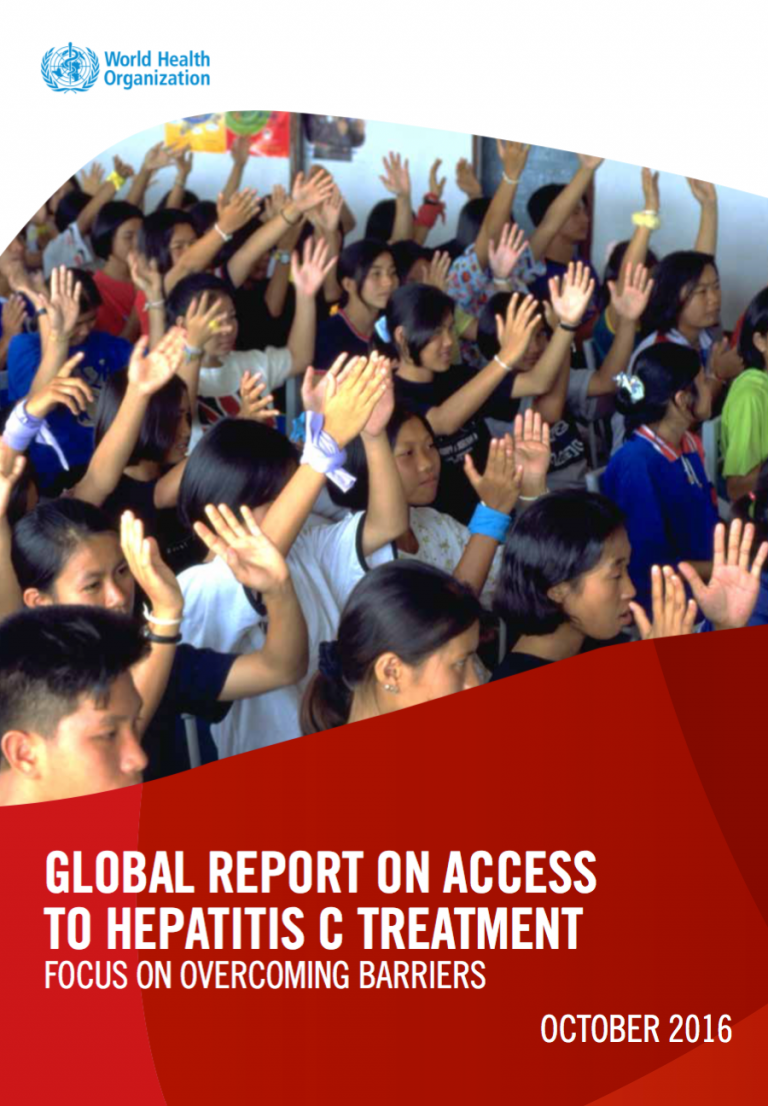
Innovations in medicine bring the hope of cure for millions of patients who can access them. When a novel effective hepatitis C drug was put on the market at very high prices, concerns erupted about access in both developing and developed countries. A new report by the World Health Organization found that over one million people have received new treatment for hepatitis C in developing countries. The report, which targets high prices as a major barrier to access to treatment, also compiles ways countries have overcome the access barriers.

Antimicrobial Resistance Should Not Overshadow Broader Issue Of Access To Medicines, Some Say

While the issue of antimicrobial resistance has arrived in high-level discussions, and there is a consensus that the problem must be tackled one way or another to avoid slipping back into a pre-antibiotic era, some voices are highlighting the need to remember that other health issues remain unmet, and access to medicines is still an acute problem.

Antimicrobial Resistance Needs Research, Regulation, Speakers Say

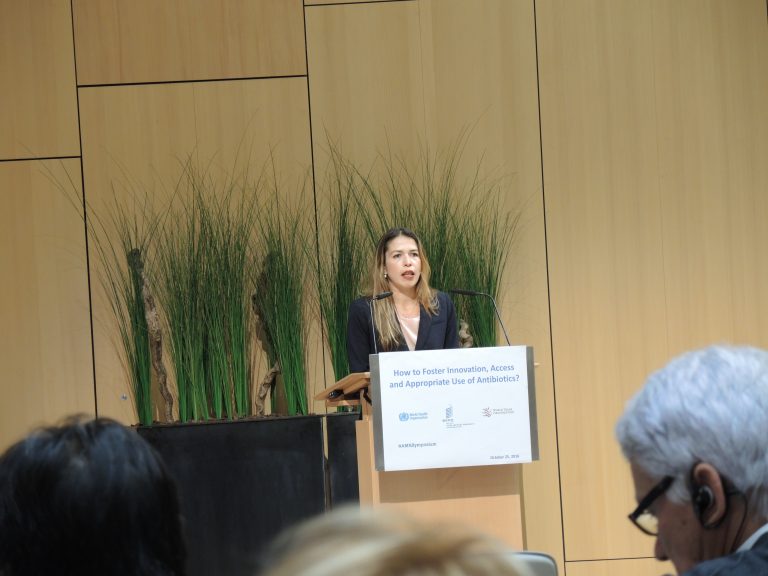
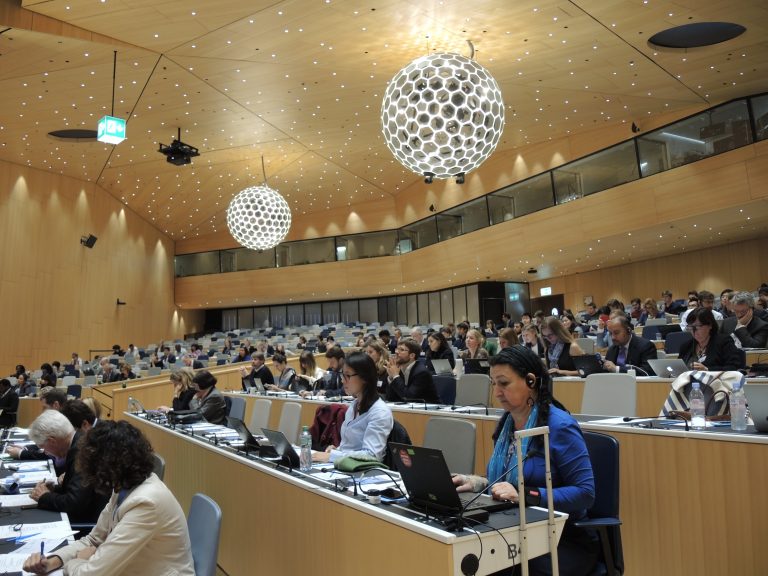
The issue of antimicrobial resistance has been in the spotlight in recent months as a growing awareness of the threat it represents for humanity has pushed discussions at the multilateral level. This week, the World Health Organization, World Intellectual Property Organization and World Trade Organization organised a symposium on the subject. Speakers discussed needs and potential solutions.

WHO, WTO, WIPO Put Their Collective Mind To Antibiotic Resistance Calamity

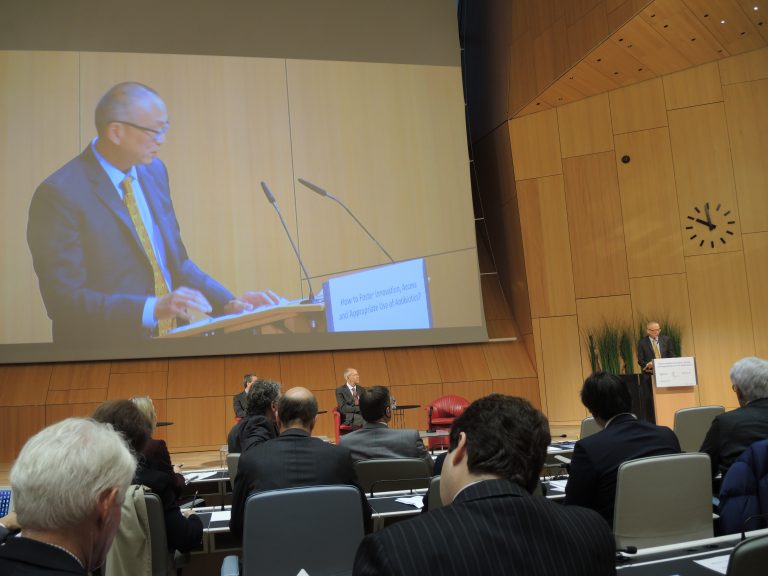
Resistance to antibiotics by bacteria has been steadily growing and is now considered as a major threat to global public health, with some catastrophic projections of millions of death and billions of dollars in economic impact. The World Trade Organization, World Health Organization and World Intellectual Property Organization today are holding a joint technical symposium on antimicrobial resistance, and how to encourage innovation, appropriate use of antibiotics, and wide access to treatments and diagnostics.

Farm-Saved Seeds Sow Discord; Breeders, Users, Seek Clear Definition At UPOV

When a harvested material from a protected plant variety, such as seeds, is used for further sowing and cultivating, royalties need to be paid to the breeder of this protected variety. However, according to breeders, farm-saved seeds are sometimes used as an excuse to avoid paying royalties, and clear definitions should be established internationally. Conversely, small farmer associations think that once farmers buy a protected variety, they should be able to re-use those seeds, exchange or sell them.

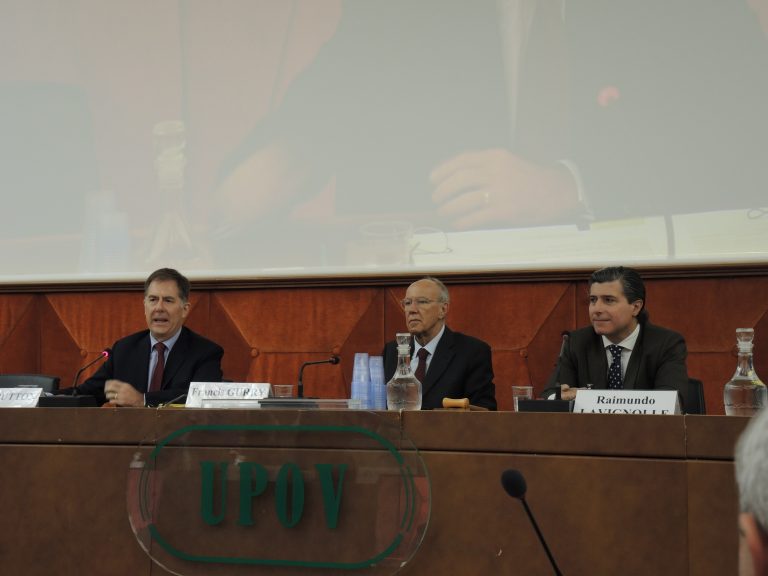
The International Union for the Protection of New Varieties of Plants (UPOV) organised a Seminar [pdf] on Propagating and Harvested Material in the Context of the UPOV Convention on 24 October.

Report: IP Rights, Corporate Interests Threaten Small Farmers’ Right To Seeds, Biodiversity

A new report by civil society groups defending the right to food and nutrition lays bare threats to seeds and biodiversity created by intellectual property rights, and calls for states to respect their human right obligations to protect small farmers’ right to seeds and food security.