Catherine Saez

Catherine Saez

Hepatitis C Patent Challenges In India, Argentina To Allow Generic Production

Resistance to high prices for hepatitis C drugs is ongoing as five new challenges against patents have been filed in India and Argentina, according to sources. Those challenges aim at allowing the production and distribution of affordable generic versions of new hepatitis C medicines (direct-acting antivirals).

The Problem With Rare Diseases: R&D Lacking, High Prices, Discrimination, IP Issues

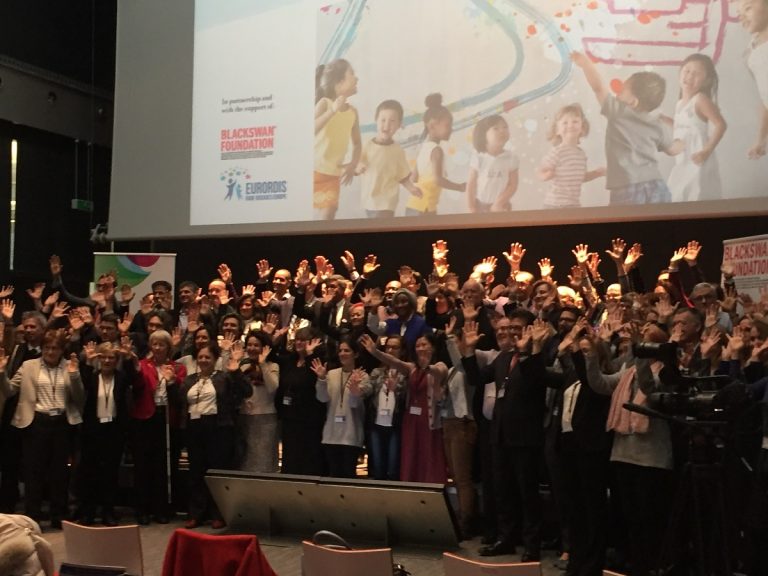
Over 6,000 rare diseases, those affecting very small populations, have been documented in the world. For those affected, treatments are mostly non-existent, and if they do exist, are not affordable. An event last week gathered a number of stakeholders, including rare disease organisations, the World Health Organization and the pharmaceutical industry to discuss the particular issue of rare diseases. The case of rare diseases is an exacerbated example of research, pricing, accessibility and affordability.

Patentability Of Some Biotech Uncertain In Europe As Examination, Opposition Suspended

The patentability of plants or animals that have been obtained by natural occurrence such as selection and crossing has been a recurrent issue discussed at the European Patent Office (EPO). A recent notice from the European Commission challenged a ruling by the EPO Enlarged Board of Appeal on such patents, prompting yet more discussions in the organisation. In the meantime, all examination and opposition on such patents have been halted at the EPO. Industry is concerned that the EPO ruling might be questioned, and warns of effects on innovation, harm to applicants. Civil society is concerned about a non-transparent process.

WIPO Broadcasting Treaty: What Broadcasters Really Want To Protect Their Business From Piracy

In discussion for close to 16 years at the World Intellectual Property Organization, a treaty aimed at protecting broadcasting organisations’ intellectual property rights has not reached conclusion. Intellectual Property Watch sat down recently with the European Broadcasting Union to understand what broadcasters actually say they need to protect their businesses against piracy. As to what they see hindering the technical resolution of the treaty? Politics.

Potential Treaty To Protect Broadcasters’ IP Rights: Technicalities Explained

Negotiations for a treaty providing protections for broadcasting organisations have been long and difficult at the World Intellectual Property Organization. In the corridors of WIPO, questions to a number of delegates are often answered with a puzzled look and what seems to be little understanding of technical issues. Intellectual Property Watch recently tried to untangle some of the technicalities of the discussions.

Government-Financed R&D Declining; Private Sector, Tax Incentives Rise, OECD Finds

A new set of science and technology indicators shows that the business sector is expected to remain the driving force behind research and development growth, according to the Organisation for Economic Co-operation and Development (OECD). The OECD released its main science and technology indicators today and found that government-financed research and development expenditures have been declining for some years.

Confidential Draft Of WHO Cancer Resolution Shows Remaining Issues IP-Related

The latest version of a draft resolution on addressing the global rise of cancer negotiated last week at the World Health Organization shows that remaining points are intellectual property-related, but there seems to be agreement on referencing trade flexibilities in the text, even from the United States, and a common goal of lowering prices of treatment. WHO members tried to reach common language during the Executive Board in January but time ran out and discussions are expected to continue until the annual World Health Assembly in May.

Report Puts Value Of Counterfeit/Pirated Goods At US$2 Trillion By 2022

A new report by the International Chamber of Commerce (ICC) and the International Trademark Association (INTA) estimates that some US$213 billion was lost to digital piracy in movies, music and software in 2015. The report also projects that by 2022, the total value of counterfeit and pirated goods in the world will reach somewhere between US$1.9 to 2.8 trillion.

Pharma Joins Atomic Energy Agency On Cancer Treatment Training In Poor Countries

Seeking to address the growing issue of cancer, and in particular the lack of access to diagnosis and treatment in low and middle-income countries, the International Federation of Pharmaceutical Manufacturers & Associations (IFPMA) and the International Atomic Energy Agency (IAEA) have entered into a collaboration.