Catherine Saez

Catherine Saez

IP And The Public Interest Premieres At WTO TRIPS Council Next Week
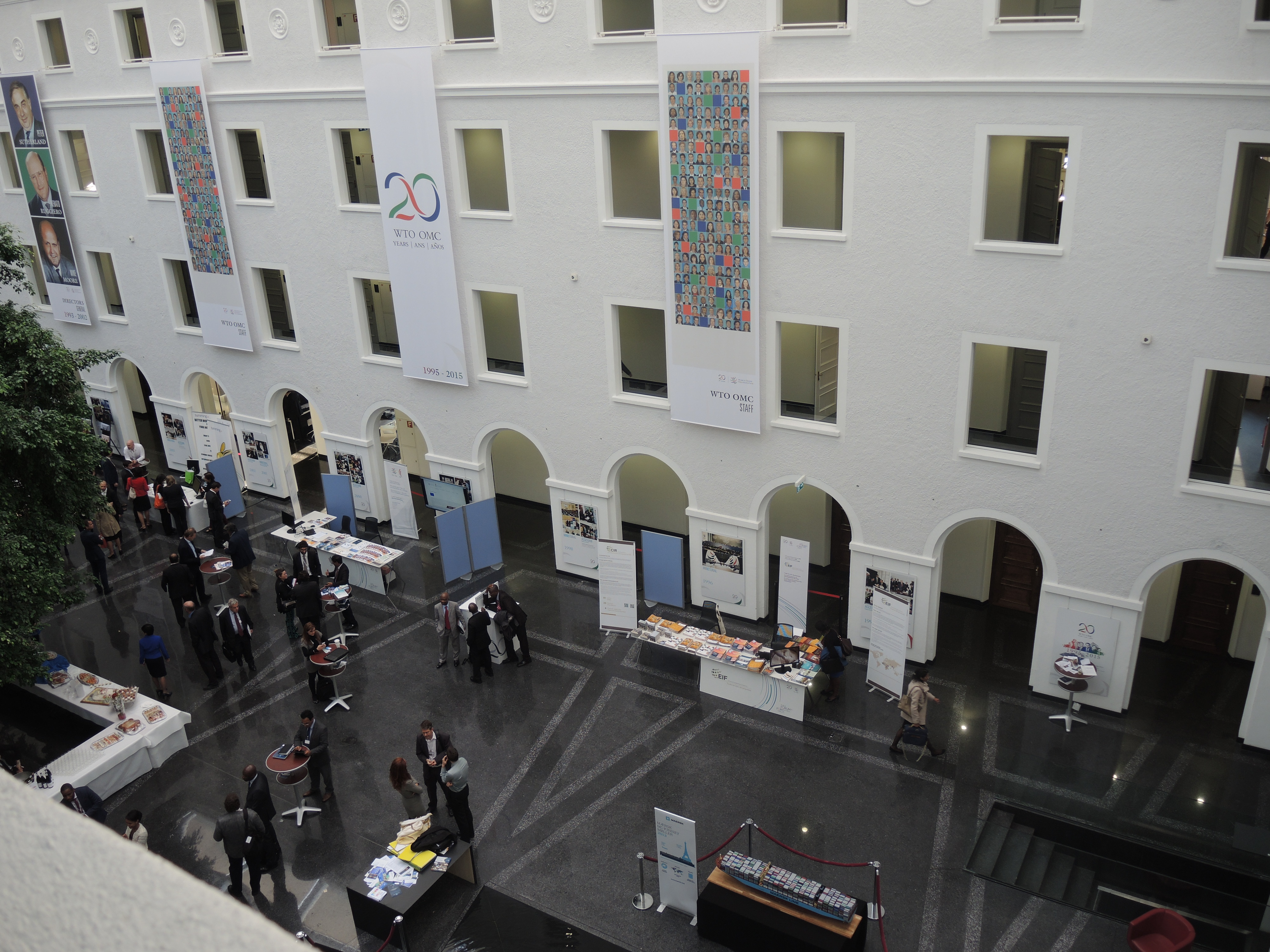
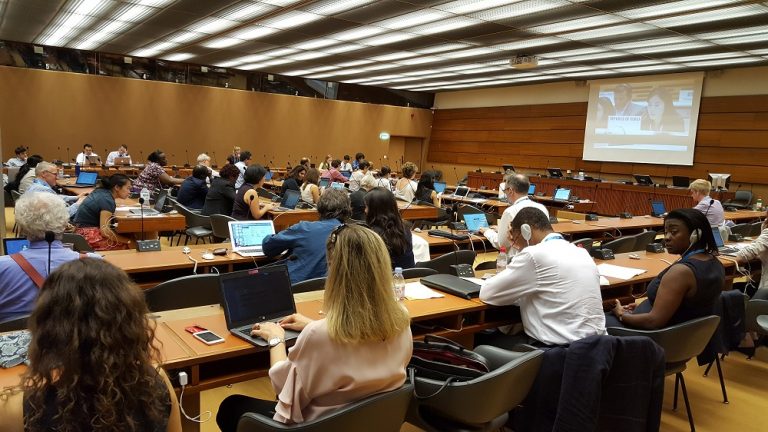
It has become a tradition at the World Trade Organization committee on intellectual property to have an agenda item on intellectual property and innovation, and next week's meeting is no exception. More noticeable on the agenda of the committee next week is an item on intellectual property and the public interest that addresses compulsory licensing.


New WHO Essential Medicines List: Antibiotics, Hepatitis C, Leukaemia, TB

The World Health Organization's new list of essential medicines, those which should be available to everyone, anywhere, was issued today. To answer the rising concern about antimicrobial resistance, the antibiotics on the list have been divided in three groups, the last of which are to be used as a last resort. The list includes the first combination therapy to treat all six types of hepatitis C. However, no second line treatment for breast cancer has been added this year.

Industry, NGOs On Staff At WHO? Beware Of Revolving Doors, Some Say

The agreement found last year after months of intense discussion to avert the possibility of undue influence by outside actors at the World Health Organization is yet to be fully implemented. The World Health Assembly last week looked at progress and the process by which the WHO can temporarily welcome on its staff individuals from the private sector, civil society, philanthropic foundations, and academic institutions. Some countries questioned principles in this process but were told by the WHO that their comments would merely be recorded.

World Health Assembly Adopts Resolution Supporting Tax On Tobacco, Alcohol, Sugar

Cancer, diabetes, heart disease and chronic respiratory diseases are killing millions of people each year, making noncommunicable diseases the leading global cause of human deaths, many of them premature. This week, the World Health Assembly endorsed an updated set of policy options for countries to help them with the prevention and control of those diseases. On the list is a suggestion for tax increases on tobacco products and alcoholic beverages, and the reduction of salt intake. Supported by many countries, it was resisted by the United States and Italy.

A Summary Of Key IP-Related Actions Taken By The 70th World Health Assembly

After what was described as the biggest World Health Assembly ever, with the highest number of agenda items and the highest attendance, it seemed that all’s well that ends well at the closing ceremony earlier today. A notable fact during this assembly has been the rising volume of voices from developing countries, joined by developed countries on issues related to access to affordable, safe, and efficacious medicines. Resolutions and decisions were adopted, many with hopes of better addressing challenges such as antimicrobial resistance, cancer, substandard and falsified medical products, medicines access and shortages and more.

WHO Asked To Square Its Position On Herbicide; EU Evaluation Seen As Flawed

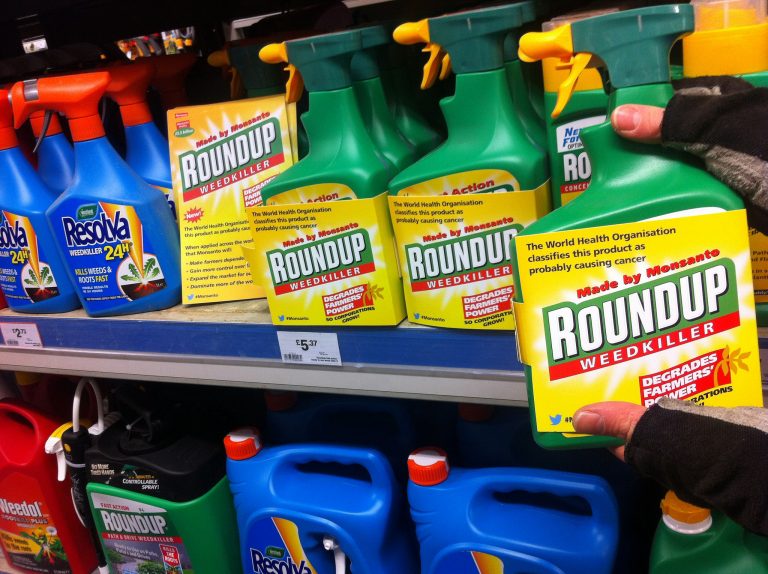
Does glyphosate, better known under its brand name RoundUp, increase the risk of cancer in humans, or not? Yesterday, some World Health Organization members, while hailing a draft resolution on cancer later adopted, underlined a lack of coordination on glysophate between the WHO and its agency for cancer research. Separately, a renowned scientist sent a letter to European Commission President, Jean-Claude Juncker, saying the evaluations on the herbicide are flawed, and should be done again to safeguard public health.

Resolution On Cancer Hailed By WHO Members, Easily Adopted In Committee

It is not a mystery, cancer has been spreading for decades, in particular in low and-middle income countries, and is not stopping its course in the foreseeable future. Members of the World Health Organization in committee yesterday adopted a resolution to improve prevention, diagnostics, treatment, and palliative care for cancer, in statements stripped of controversy.

Cancer Drugs: Innovation ‘Blackmail’ Leads To Unaffordable Prices, Delinkage Needed, Speakers Say

What if you get an aggressive form of breast cancer, and the treatment exists but it is too expensive for you to get? You die. Tragic stories and the possibilities to avert them were centre stage at a panel last week on the margin of the ongoing World Health Assembly. Delinking the cost of research and development from the market prices of medicines was urged by speakers on the panel: representatives of cancer patients, civil society, and the Brazilian deputy ambassador.

Health R&D Still Underfunded – WHO Members Concerned, NGOs Call For More Ambition

Hopes of stimulating research and development for diseases affecting primarily poor countries and vulnerable populations, through a strategic work plan at the World Health Organization, are dimmed by the lack of funding. An R&D project on a single-dose malaria cure had to be cut short, while a global observatory for health research and development, recently launched, might be hampered in its progress, according to officials.

Unlikely Alliance Of India, US Could Keep Medicines Access On WHO Agenda

It is not often that on the matter of access to medicines, India and the United States agree at the World Health Organization. But the issue of access to medicines is rising on the international agenda and developed countries are feeling the bite of prices of new medicines. Core beneficiaries of the patent system held steady this week, but among their defenders, the issue is blurring as some countries, such as the Netherlands, Greece and Portugal, are not putting up with industry prices and are saying it.