Catherine Saez

Catherine Saez

EPO-EU Conference Examines Hot Topic Of Patentability Of Plants In Europe

The last couple of years have brought heated discussions in Europe on the patentability of plant innovations, leading to a recent amendment of patent application rules at the European Patent Office. Two major actors share this innovation landscape: the biotechnologists and the plant breeders, with similar but not identical needs for protecting their invention. A joint conference on innovation in the plant sector was held recently by the EPO and the Community Plant Variety Office.
Heads Of State At Davos’ Door: Trump, Modi, Macron, May

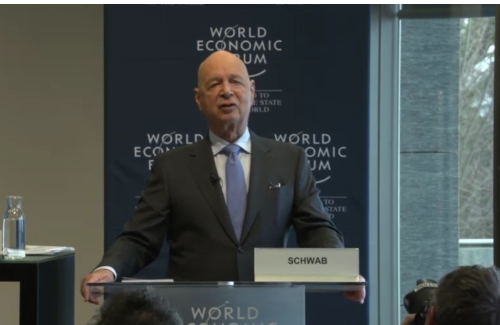
The World Economic Forum is meeting next week in Davos, with Indian Prime Minister Narenda Modi opening the forum, and US President Donald Trump closing it. One of the focuses of the annual meeting will be on finding ways to reaffirm international cooperation on common challenges, such as the environment and the global economy.

Guide To The WHO Executive Board: Access To Medicines, Noncommunicable Diseases, Non-State Actors

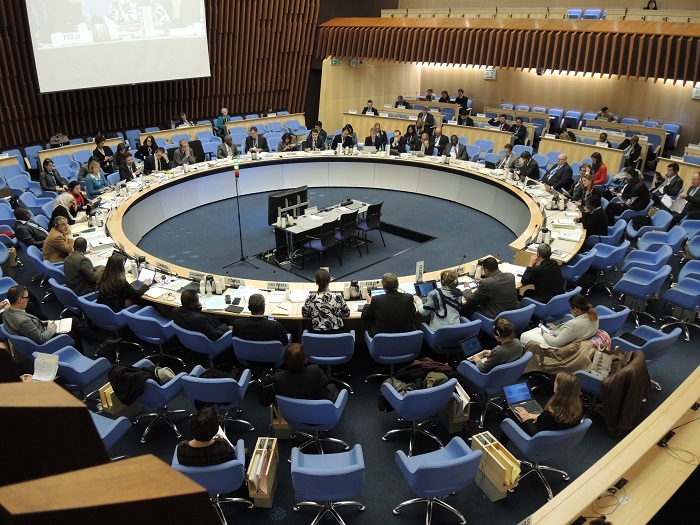
The World Health Organization Executive Board meets next week. On the agenda are recommendations of a review group on the WHO Global Strategy on Public Health, Innovation and Intellectual Property, and WHO proposed actions to increase access to affordable and safe medicines and diagnosis. The Executive Board is also expected to consider a report on noncommunicable diseases, new possible organisations to enter into official relationships with WHO, and how to address the global burden of snakebites, including access to treatment.

Blockchain-Related Patents On Exponential Rise, Lawyer Says. Targets? China, US, UK

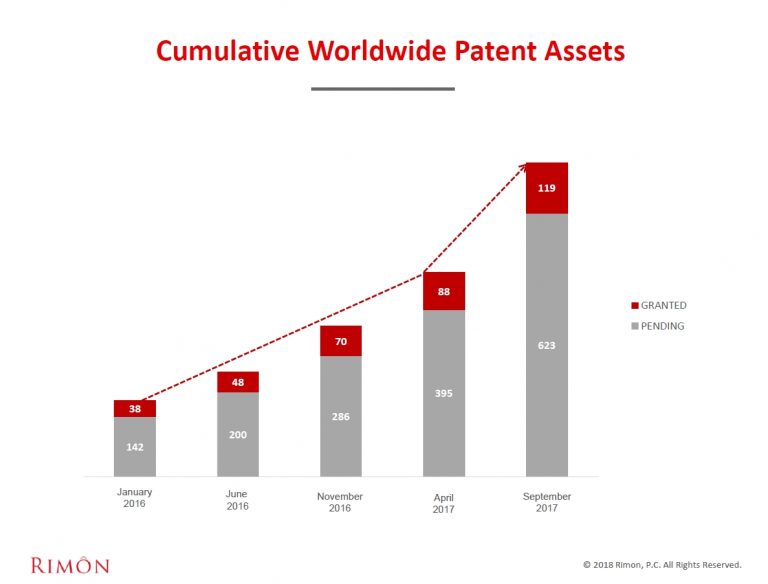
Patent applications related to blockchain technology are rising at exponential rate, according to a presentation given yesterday by a partner at United States law firm Rimon. Inventors are seeking intellectual property protection, bringing challenges into the blockchain ecosystem, such as infringement and patent trolls. He called for industry collaboration on IP, and the possibility of patent pools.

Artificial Intelligence Holds Enticing Promise, Needs Framework, Say OECD, Microsoft, IEEE

As artificial intelligence technology spreads its wings, governance issues are emerging, as are international discussions, including a range of activities planned for 2018. One of the panels of the December Internet Governance Forum in Geneva explored the policy questions, as panellists said artificial intelligence is unabatedly spreading to many areas of our lives with promises of economic growth and benefits, but with few regulations to frame it. Issues include ethics, privacy, biases, and lack of transparency.

WHO’s Revised Work Programme: Evidence-Based Normative Work, Access To Medicines

In a couple of weeks, the World Health Organization will be holding its annual January Executive Board meeting. Delegates will consider the edited version of the draft 13th WHO general programme of work for 2019-2023, published on 5 January. Following comments to the first version of the programme in November, the secretariat produced a more fleshed-out document, emphasizing the WHO's normative role, in particular evidence-based. The necessity of access to medicines and vaccines has been extended to other products, such as devices and blood products, and mention is made of the WHO Global Strategy and Plan of Action on Public Health, Innovation and Intellectual Property.

Friends, Foes Of Big Data Discuss Its Promise For Development, Privacy Issues

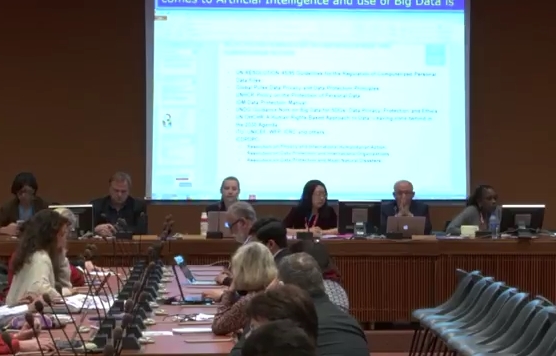
Big data and artificial intelligence hold promise for achieving the United Nations Sustainable Development Goals, but risks associated with extensive data collection should not be minimised, according to speakers at this week’s Internet Governance Forum. Of particular concern: privacy issues, the digital divide, the need for raising awareness of internet users, and current or upcoming legislation and guidelines seeking to address challenges associated with big data.

Artificial Intelligence Is Changing Societies, But What Cost To Social Justice? Transparency Is Key

The desire of countries to hop on the train of artificial intelligence and get a piece of the pie might be contrary to democracy, according to a speaker at this week’s Internet Governance Forum. Even though artificial intelligence has the potential to improve lives around the globe, the challenges that come with it are complex and difficult to address, said the speakers.

Internet Society Official On Internet Governance Challenges, Role In Solving Issues

The Internet Society has participated in the Internet Governance Forum since its inception. Since then, the forum has been able to build trusted relationships with the different groups of stakeholders, but it should be able to attract more participants from all those groups of stakeholders, such as ministers and CEOs, according to Constance Bommalaer, senior director of Global Policy of the Internet Society. Bommalaer sat down with Intellectual Property Watch’s Catherine Saez in the margins of this week’s Internet Governance Forum in Geneva to explain the pressing issues of internet governance, such as the trust issue, and the internet of things, and the work of the Internet Society to bring tangible answers.