Original news and analysis on international IP policy
Document Explains Decision Granting Sovaldi Patent To Gilead
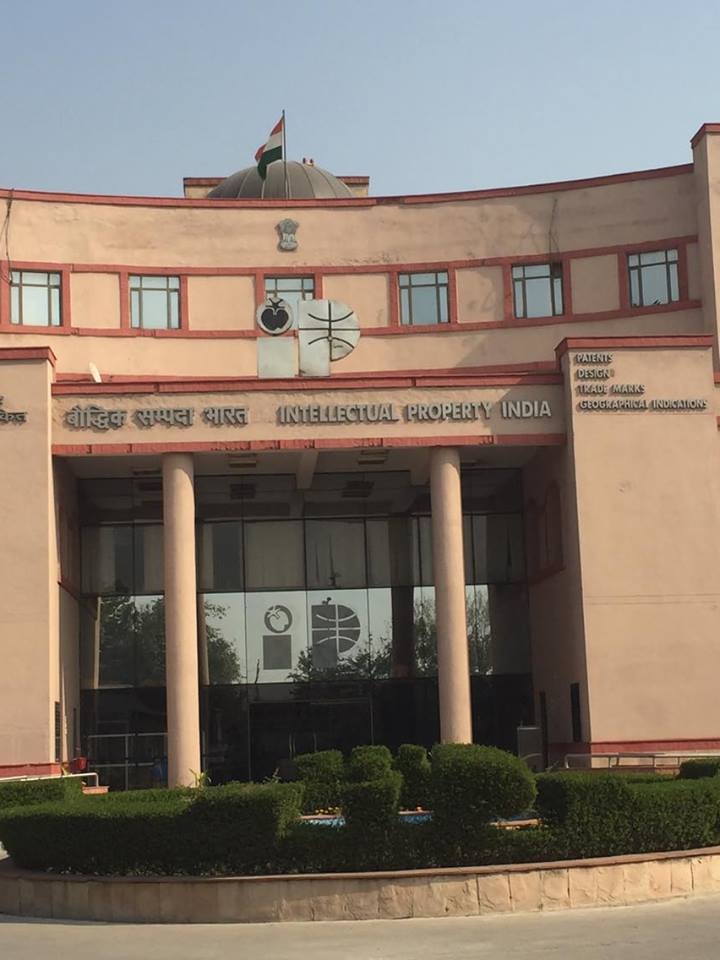
A copy of the new Indian patent office order shows the details of the decision to reverse an earlier direction and grant a patent in India on the high-value hepatitis C drug. [Updated with response from Gilead]
A copy of the new Indian patent office order shows the details of the decision to reverse an earlier direction and grant a patent in India on the high-value hepatitis C drug.
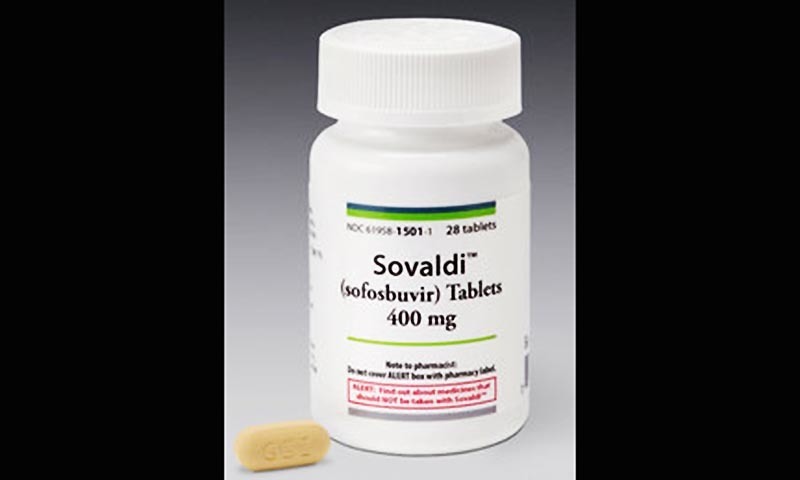
In what is being seen as a significant development in the discourse around access to affordable medicines, the Indian Patent Office yesterday passed an order granting a patent to US-based pharma major Gilead on Sovaldi (sofosbuvir), its best-selling drug for hepatitis C. Gilead charges $1,000 USD per pill in the United States.
Public health activists and patient groups – Sankalp Rehabilitation Trust, Initiative for Medicines, Access & Knowledge (I-MAK), and Delhi Network of Positive People – and generic companies (Optimus, BDR Pharma), and India Cares have been opposing Gilead’s application to obtain a patent in India. They argue that sofosbuvir was not really novel and did not India’s patenting criteria. But the patent office dismissed the pre-grant oppositions and noted that it found, “claimed compounds are novel, inventive and patentable under Patents Act.”
There will be no appreciable immediate impact on the price of the drugs in India because Gilead has already entered into voluntary licensing deals with several Indian generic companies which offer the drug at a far lower price, around $330 USD per 12-week treatment. However, health advocates argue that this will have an effect on other developing countries.
The ruling from Rajesh Dixit, deputy controller of patents & designs, rejects the pre-grant opposition by public health advocates that raised public health concerns for the millions who await affordable treatment (IPW, Asia/Pacific, 9 March 2016).
The deputy controller general of patents had rejected Gilead’s patent claim earlier, leading Gilead to subsequently approach the Delhi High Court which set aside the Patent Office’s order.
This led to the Patent Office reviewing the matter again.
The new order finds that India’s legal provision against evergreening and product changes that are not truly novel, Section 3(d), did not apply in this case. The order states:
“The patent application provides comparative activity and toxicity data in mice and monkey. Further, additional comparative activity data has been filed during the examination of the patent application. These data have been relied during the hearing. Further, Applicant also argued that the medicine prepared from the compounds claimed in the present invention has resulted in breakthrough treatment of HCV infection and the medicine is approved in many countries including USA and India. I am satisfied that claimed compound have added layer of enhanced efficacy. From the above, it is clear that claimed compounds are outside the prohibition of Section 3(d). As stated earlier claimed compounds are novel and inventive.”
Reactions
In response to an inquiry from Intellectual Property Watch, a Gilead spokesperson said:
“We welcome news that the Indian Patent Office (IPO) of New Delhi has granted our patent application [No. 6087/DELNP/2005] claiming the active metabolites of sofosbuvir. The recognition of intellectual property (IP) is central to investment in pharmaceutical research and development, and this decision underlines the scientific innovation involved in the development of this breakthrough treatment for chronic hepatitis C.
“It is the company’s goal to enable access to these medicines for as many people as possible, as quickly as possible. In developing countries the issuing of patents is often cited as a barrier to access, however the company believes that if used responsibly IP does not hinder access, supporting a sustainable model of voluntary generic licensing for more than a decade. This licensing program enables the manufacture and distribution of high-quality, low-cost versions of the company’s medicines for HIV, hepatitis B and hepatitis C.
This decision from the IPO of New Delhi serves to further strengthen the partnership between Gilead and the innovative Indian manufacturing industry; a partnership which has shown to be a proven and effective approach to expanding access to treatment, leveraging each company’s expertise for maximum benefit of patients living in resource-challenged countries.”
The Spicy IP blog explained in strong terms the concern about the ruling on the Indian patent law’s Section 3(d):
“If all it takes to demonstrate enhanced efficacy is regulatory approval (as the controller appears to indicate) then all Pharma drugs will pass muster. No point even applying section 3(d)! More worryingly, the Controller fails to appreciate that section 3(d) and efficacy are to be judged as on the date of filing of the patent application. In other words, the key issue for determination under section 3(d) is: at the time of filing the patent application, did the applicant demonstrate (through the patent specification) that the claimed compound is more efficacious than a previously known compound? Often times, the compound for which a patent is applied is made into a drug (and regulatory approval procured) much later. So to use the factum of approval to justify a demonstration of efficacy is thoroughly flawed!”
Leena Menghaney, South Asia regional head for the Médecins Sans Frontières (MSF) Access Campaign, issued this statement:
“This patent decision is bad news for people living with hepatitis C in many developing countries. MSF is currently treating people living with hepatitis C in India, Pakistan and Myanmar, but we know there are millions of people in other countries who now won’t have affordable access because of this decision. Medical humanitarian and patient groups have been worried that the Indian government will cave into US pressure to dilute the independent functioning of the patent office in a way that patent claims are granted far more easily to US companies.
“The same patent was first rejected in January 2015 and has now been granted a year later. The decision to grant the patent now entirely ignores recent proceedings in the US against Gilead on the same application, where Gilead was found to be infringing two of Merck’s patents, clearly defeating Gilead’s claim that its application on the drug was sufficiently inventive.
“Though the decision will not immediately impact patients in India, it will block a sustainable supply of key raw materials needed to produce the drug in countries like Egypt, Bangladesh and Pakistan, and hence affect production by new suppliers. This decision will impact those Indian companies which were planning to enter the market independently to supply not just patients in India but also those in middle-income countries with large numbers of people living with hepatitis C, which Gilead currently forbids from receiving the medicine produced under Gilead’s licensing deal.”