

MUNICH — Considerable quality problems in the examination and processing of patent applications at the European Patent Office (EPO) were deplored by a group of patent attorneys during a visit of the new Chair of the EPO Administrative Board, Christoph Ernst, from the German Ministry of Justice, to the Max Planck Institute for Innovation and Entrepreneurship Research in Munich. Meant as a presentation of Ernst’s thoughts on “the future of the European patent system,” the debate developed into a harsh reckoning of the “System Battistelli.”
“Over recent years, we have experienced that patent examiners at the EPO have been put under more and more pressure, with regards to efficiency, but also psychological pressure – and we find this problematic,” Gero Maatz-Jansen from Grünecker Patent Attorneys in Munich said to a big applause.
Pressure Causes Wrong Incentives
The results were deteriorating quality of search reports and citations, Maatz-Jansen said.
“The pressure exerted results in the creation of wrong incentives, namely making patent examiners to be fast rather than exhaustive in the processing,” he said. Other colleagues also pointed to a trend to send applications back for more or less minor procedural reasons, again to get the applications off their table quickly.
To Ernst’s argument that “more patent applications does not automatically equate a loss of quality,” one patent attorney asked how it could be explained that the German Patent Office’s processing numbers and times looked rather dull compared to those for which EPO President Benoit Battistelli has made himself a name. Battistelli during his tenure since 2010 has made efficiency one of his main projects. Ernst said he was prepared to discuss the quality issue, but would hope for better statistical evidence instead of mere observation or even gut feelings.
The former Chair of the Suepo, the EPO internal trade union, Elisabeth Hardon, told Ernst during the discussion: “In recent years we had to realize that the situation for patent examiners has become unbearable, but our calls have largely been ignored.” Hardon, who has been fired by Battistelli, highly welcomed “that other parties now begin to stand up.”
One participant who said he represents a medium-sized company questioned potential ideas at the EPO to establish a fast-track patent examination system for big patent applicants. “This would be detrimental to small and medium sized businesses indeed,” he said, “and they are in fact the main innovators in Germany.”
What got people worried during the discussion was that the designated new EPO president, Antonio Campinos, had established such a system at the European Union IP Office in Alicante, Spain. Campinos is due to take over at EPO in July 2018.
European Patent Really Close; UN Access to Medicines Report Called Biased
While being pestered with regard to the quality issue during the discussion, Ernst at the outset clearly rejected the notion that there is a crisis for the patent system. Once the court case pending before the German Constitutional Court against the EU unitary patents is decided, he expects a smooth ratification, finally.
In his role as head of the German delegation at the World Intellectual Property Organization, Ernst rejected claims that adjustments should be made with regard to the balance between the protection of patents and the access to affordable medicine. Ernst said the German delegation found the recently published UN High-Level Panel report on the issue, “rather biased and we are not convinced that this report is pointing into the right direction.” Nevertheless, he expected the topic would stay on the agenda for some time.
A hot issue on the German patent policy agenda, he added, was how to deal with standard-essential patents. The Ministry of Justice is in the midst of discussion on whether a patent organisation could become a partner to develop classification criteria for this.
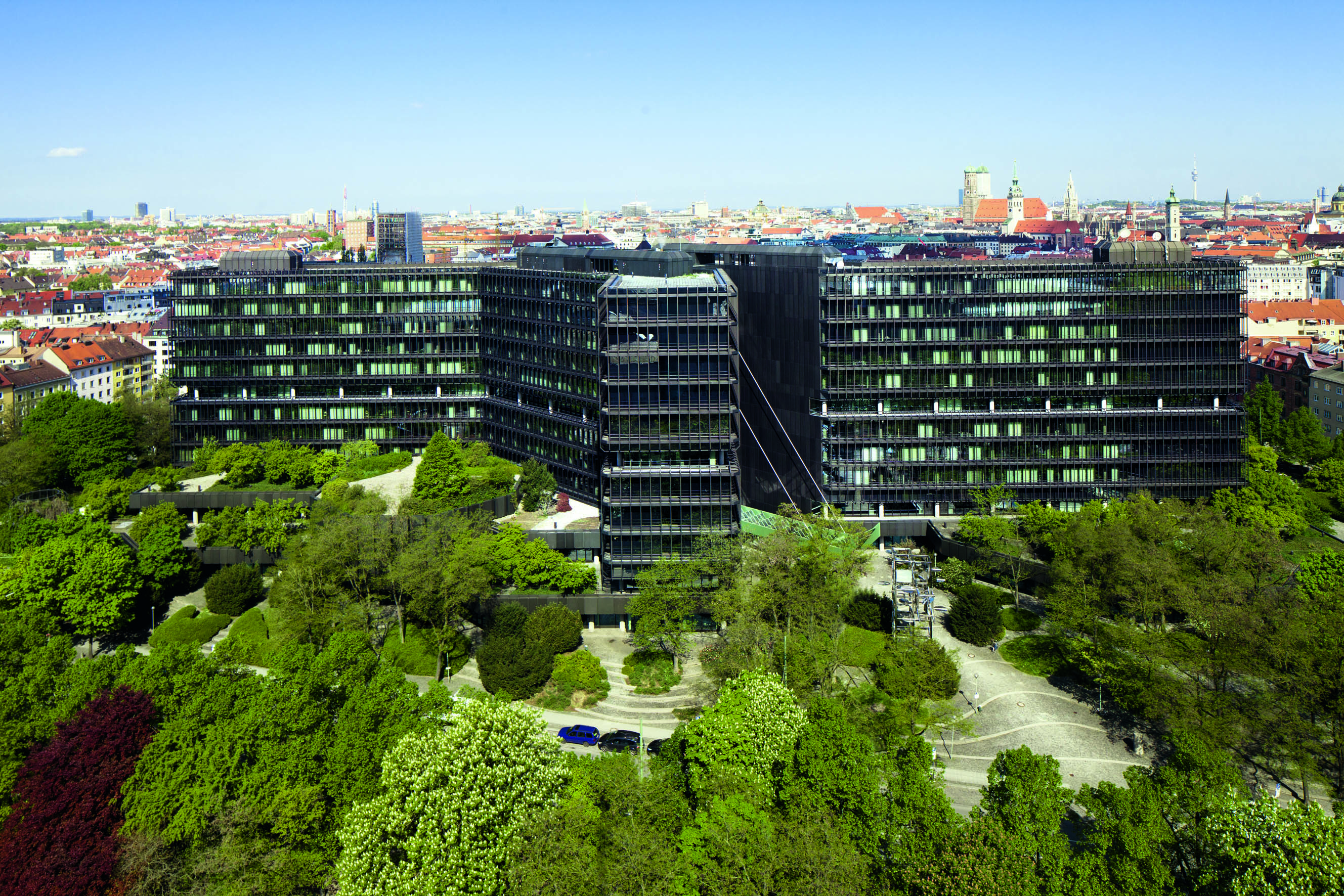
Image Credits: EPO
[…] At a recent event with the newly elected chair of the EPO Administrative Council, a considerable number of patent lawyers expressed their support for changes at the EPO which due to the pressure on its staff was producing substandard search reports (IPW, Europe, 16 October 2017). […]