

Delegates at the World Intellectual Property Organization have started trying to better clarify the different positions countries have on the protection of traditional knowledge. Today facilitators of the discussions provided textual suggestions (available below) on the objective of a potential treaty, the definition of traditional knowledge, and whom the treaty should benefit.
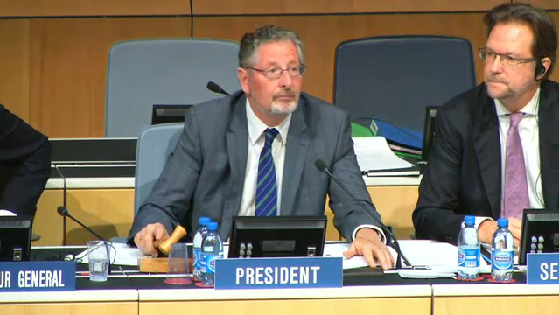
There is broad agreement among members of the Intergovernmental Committee on Intellectual Property and Genetic Resources, Traditional Knowledge and Folklore (IGC) that the beneficiaries of protection of traditional knowledge (TK) should be indigenous peoples and local communities, main holders of this knowledge.
The facilitators’ textual suggestions [pdf], which IGC Chair Ian Goss of Australia described as some initial proposals and thoughts to feed discussions, offered options on policy objectives, on the subject matter of the instrument, its beneficiaries, and proposed a definition of TK.
Those suggestions were based on the actual draft articles [pdf] of a potential treaty (ies) protecting TK from misappropriation, and discussions from the first day of the IGC, taking place from 19 to 23 September.
One of the issues in the policy objectives for some developed countries is that TK might be widely used and considered part of the public domain.
The United States, for example, suggested that policy objectives indicates that the protection of protected TK “should contribute towards the promotion of innovation and to the transfer and dissemination of knowledge….” The US also suggested that the value of a “vibrant public domain” is essential for creativity and innovation.
This position is supported by several developed countries.
The textual suggestions are meant to be discussed with the further view to provide a first revision of the draft articles tomorrow morning.