
USTR Sets Deadline For Comments On Review Of Indian Protection Of US IP
Comments must be submitted in the new two to three weeks for an extraordinary review by the United States government of India's protection of US intellectual property rights.

Original news and analysis on international IP policy
Comments must be submitted in the new two to three weeks for an extraordinary review by the United States government of India's protection of US intellectual property rights.
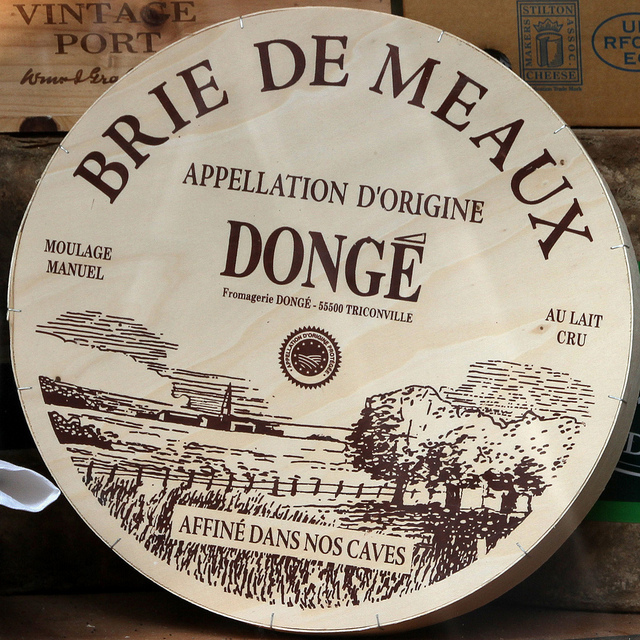
The 28-member Lisbon Agreement for the Protection of Appellations of Origin and their International Registration is en route to being revised to include geographical indications and allow international organisations to join the agreement. But some other member countries of the World Intellectual Property Organization, which oversees the agreement, are raising procedural questions and intend on having a say on the revision. [Update: new proposal now available]
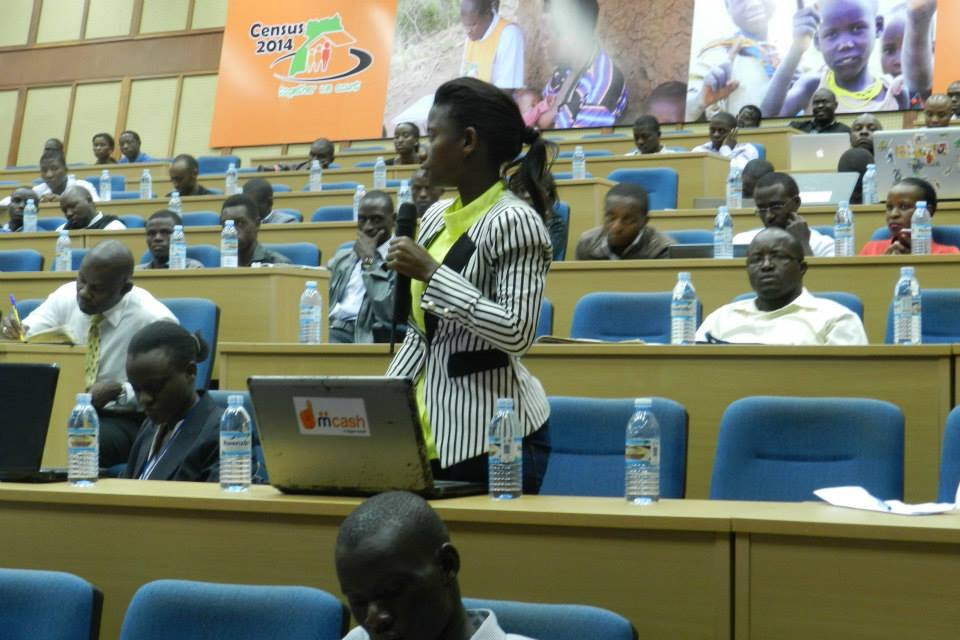
With the world’s youngest population, fast-rising access to internet and rapid spread of the use of mobile phones, Ugandans are starting to embrace information and communication technology innovations. This is confirmed by the increasing number of mobile and web applications with working prototypes developed in the country.
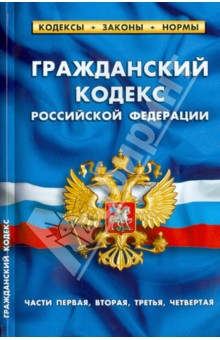
As of 1 October, major amendments of the Civil Code of the Russian Federation (the RF Civil Code) came into force concluding the most recent and extensive legislative revision since Part I of the Code was adopted in 1994. Changes affected substantive and procedural norms including Part IV codifying provisions on intellectual property rights. This report takes stock of some of the introduced novelties.

The entry into force of an international treaty facilitating access to genetic resources and ensuring the fair sharing of potential commercial benefits has prompted the applicability of a European Union regulation relating to the treaty. This led a researcher to call on the treaty members to ensure its implementation protects the rights of indigenous and local communities.

The International Union for the Protection of New Varieties of Plants (UPOV) is holding meetings of its governing and technical bodies this week. In particular, the UPOV Council is expected to renew Francis Gurry's mandate as the organisation’s secretary-general, approve technical documents, and confirm the conformity of a Tanzanian plant breeders' rights act.
Meanwhile, civil society has sounded the alarm over what it considers to be efforts to harmonise the application and examination procedures by the seed industry. Separately, a civil society study, carried out on three developing countries claims that UPOV 1991 might be threatening the global right to food.

Last week’s World Trade Organization Public Forum hosted dozens of panels on the general theme of "why trade matters." A panel focusing on the role of Brazil, Russia, India, China and South Africa (BRICS) found that the new BRICS Development Bank could foster infrastructure development in Africa, while another panel said that removing barriers to internet connectivity is key to economic growth.

The Nagoya Protocol, a treaty expected to ensure greater access to genetic resources and a mandatory fair benefit-sharing of the benefits that could be derived from those resources, will enter into force on 12 October, almost four years after it was agreed.
With the ever-increasing ease in which information can spread, it is becoming harder to secure your intellectual property or product ideas and ensure they are not unfairly recreated or produced by someone else. Whether you are a small start-up or a multinational organisation, taking steps to protect your intellectual property should be a priority within your business.

A report released today by an American technology industry group ranks countries on the basis of mercantilist policies, urging the United States and multilateral organisations to issue a "bold response" to these restrictive and anti-competitive practices - including intellectual property theft and compulsory licensing permitted under WTO rules in developing countries. The top targets? China and India.

An African civil society group has voiced concerns about the takeover by giant multinational seed companies of home-grown African seed companies, the latest of which involves Africa’s SeedCo.

“Intellectual property is a substantial chunk of business investment,” Tony Clayton, chief economist in the United Kingdom IP Office, told a side gathering at the recent World Intellectual Property Organization General Assembly. “It really does matter.”