WIPO Budget First Reading: SDGs, External Offices, Possible Treaty Negotiation
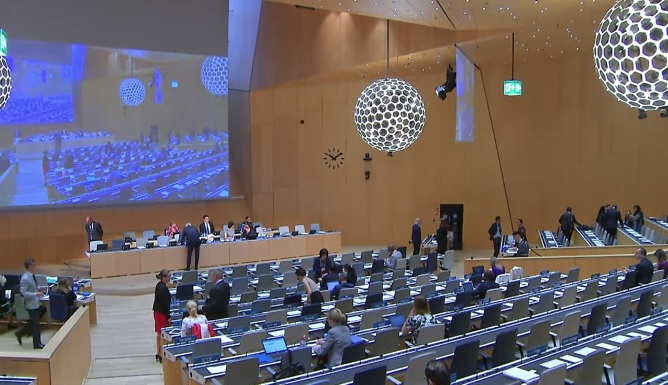
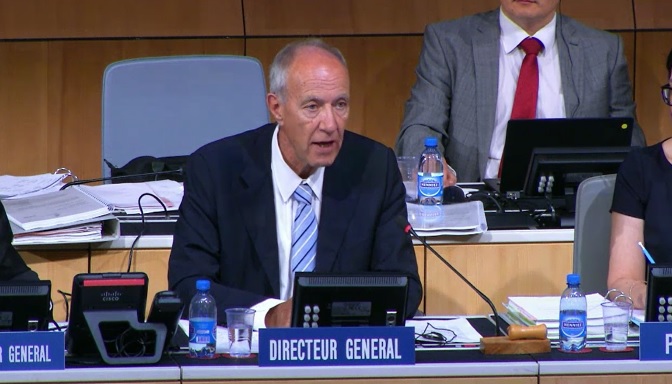
The World Intellectual Property Organization members this week have discussed the first draft of the budget of the organisation for the biennium 2018/2019. Questions have been asked about how WIPO is contributing to the United Nations Sustainable Development Goals, how much WIPO committees and external offices will cost, and how WIPO can help developing countries increase their IP development.


Launch Of Book On TRIPS And Climate Change

A new book being launched in Geneva next week reflects the growing recognition that the World Trade Organization Agreement on Trade-Related Aspects of Intellectual Property Rights (TRIPS) could play a more important role in the mitigation of climate change, according to the programme of the book launch.

Lessons From South Africa: Protecting Non-Expressive Uses In Copyright Reform

Matthew Sag and Sean Flynn write: This week, the South African Parliament began accepting comments on its pending Bill proposing to amend the South African Copyright Act to align it with the digital age. We and other experts and civil society organizations submitted comments praising many of the Bill’s provisions and proposing that it adopt an “open” fair use right. Here we focus on one major reason to adopt an open fair use right – to authorize so-called non-expressive uses of works. We conclude with some reflections on how international law could help in this regard.

WIPO, A Well-Funded UN Agency, Presents Its Next Budget To Members

The finances of the World Intellectual Property Organization are healthy to say the least. The United Nations organisation, the only one able to feed its budget from user fees, shows a net result of over US$30 million. This week, WIPO member states are considering the budget for the 2018/2019 biennium, and as well which countries should be chosen to hold external WIPO offices.

G20: 19 Against 1 On Climate Change; Affordable Antimicrobials, Vaccines Planned

The G20 governments against some odds passed a joint communique today, but had to accept differences on climate and in one point also on free trade. The US delegation remained firm in their decision to withdraw from the Paris climate agreement and continue to support conventional energy resources, instead of renewable ones. German Chancellor Angela Merkel in her press conference explained that there was a clear division in the climate chapter of the G20 2017 Declaration.

G20 Reaches Agreement Against Terrorism, Appears To Target Encryption

At the G20 meeting in Hamburg today, the German hosts chose a retreat over the fight against terrorism as a warm-up, before turning to the controversial topics of free trade and climate change. Governments were very much in agreement when it comes to one thing: Internet platform providers must do more to fight radicalization and the use of the internet by terrorists.

Health: Report Calls For Increased Efforts On TB; WHO Warns About Antibiotic-Resistant Sexually Transmitted Disease

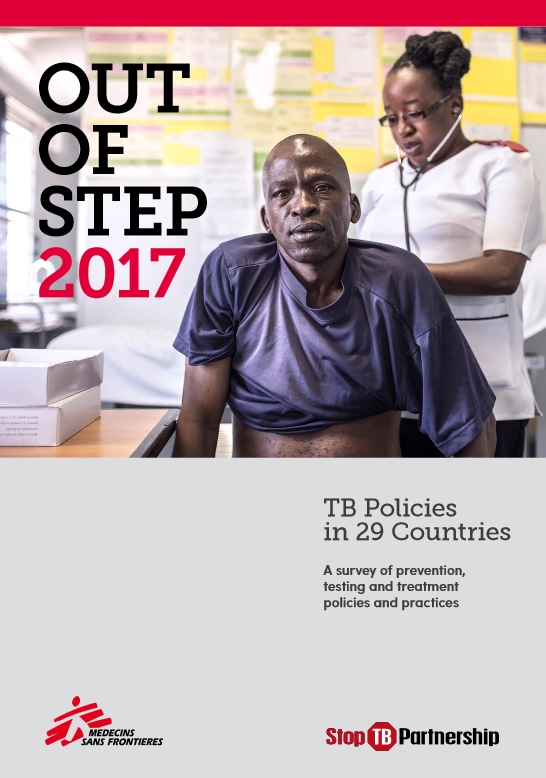
Tuberculosis is still a deadly killer, and a new report by two humanitarian organisations raises alarm on poor progress on the disease diagnosis and treatment. The report calls for governments to increase efforts to fight the disease, and for the G20 countries to mobilise funds to help, in particular to boost research and development for new treatments. Separately, the World Health Organization issued a call for new treatments to fight antibiotic resistant gonorrhoea.

G20: Security, Trade, Climate, Trump Diplomacy Overshadow Health, IT, Innovation

On the eve of the G20 meeting in Hamburg, Germany, German politicians described positions on free trade and climate as the most difficult issues. Expectations from civil society groups in the G20 results are modest at best and the 6 July protest march “Welcome to Hell” was cancelled after clashes between the police and parts of the protestors.

WIPO Patent Law Committee Agrees On Future Work: Exceptions, Quality, Health, Confidentiality, Tech Transfer

General satisfaction was expressed today at the World Intellectual Property Organization as members of the patent law committee agreed on a future work programme. That is an exercise that they could not complete in December 2016. Included in the work programme is a half-day information exchange on cooperation between patent offices on search and examination, a half-day information exchange on publicly accessible databases on medicines and patent information, and a reference document on exceptions and limitations to patent rights.