ASEAN Members Want A Regional Agreement On E-Commerce, Less Developed Members Struggle To Catch Up
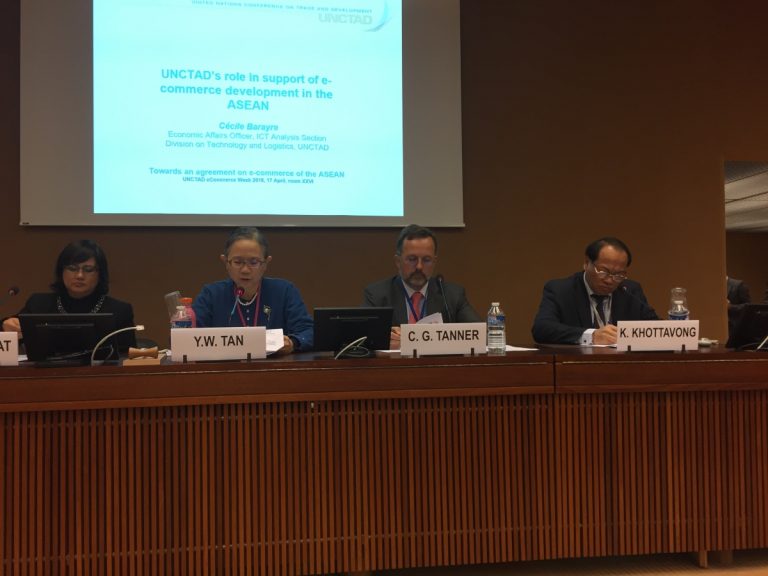
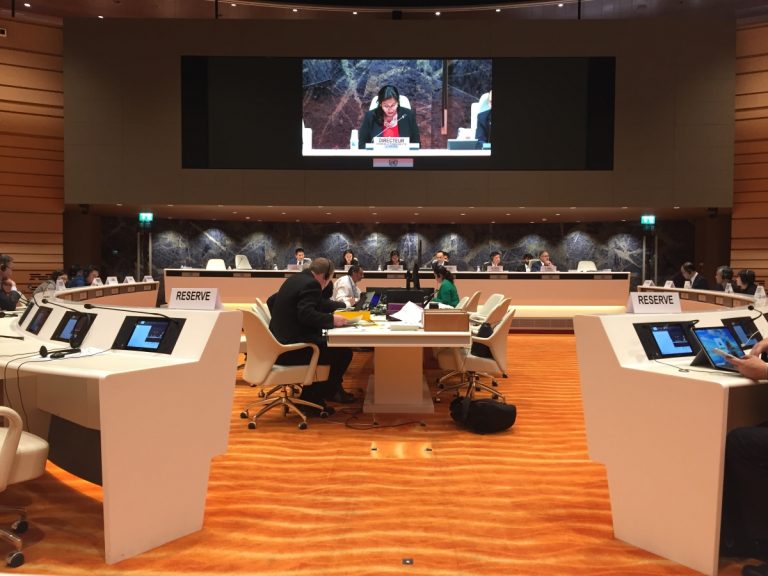
A group of Asian countries is working towards a regional agreement on electronic commerce. During the United Nations Conference on Trade and Development e-commerce week, less developed countries of this group explained the difficult catch-up they have to fully enter into e-commerce nationally and internationally, particularly because most of their companies are small. Transport businesses, meanwhile, called for special customs rules for small companies to ease their participation in global e-commerce.
Officials: Sharing Economy Booming In China; Success And Challenges Of New Business Models

The sharing economy is booming, disrupting conventional ways of doing business, creating new jobs, and new headaches for policymakers. China is promoting the sharing economy as a national strategy, as explained during the annual United Nations Conference on Trade and Development (UNCTAD) electronic commerce event this week, and illustrated by DiDi Chuxing, a leading Chinese mobile-based transportation platform.

Panel: E-Commerce Crucial For Development, Some Eager To Negotiate At WTO

The United Nations Conference on Trade and Development (UNCTAD) and its annual weeklong event focused on electronic commerce inspired a group of World Trade Organization members to launch a roadmap for e-commerce last year. This week, at the start of the fourth UNCTAD E-Commerce Week, a panel commented on the importance of e-commerce discussions at the World Trade Organization, even as some of the WTO membership disagrees on a new negotiating mandate.

Carlos Correa Named Head Of Intergovernmental South Centre

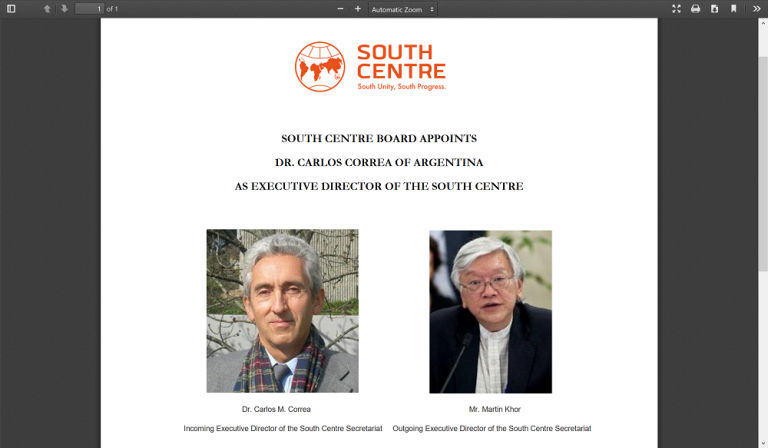
Prof. Carlos Correa of Argentina, an influential academic whose analyses of patents and medicines access have informed debates and challenged the status quo for decades, has been named the next executive director of the South Centre. He will take over for Martin Khor, who will be retiring after nine years at the helm. Separately, former South African President Thabo Mbeki was named chair of the Board.

Patents On Delivery Devices Can Extend Drug Patent Protection For Years, Study Finds

The number of patents for drug delivery devices has shot up in recent years, and has had the effect of significantly extending the protection enjoyed by patented pharmaceuticals, delaying cheaper versions of the drugs and leading to higher prices, a recent paper found. And in a Q&A below, one of the authors raises an issue for policymakers.

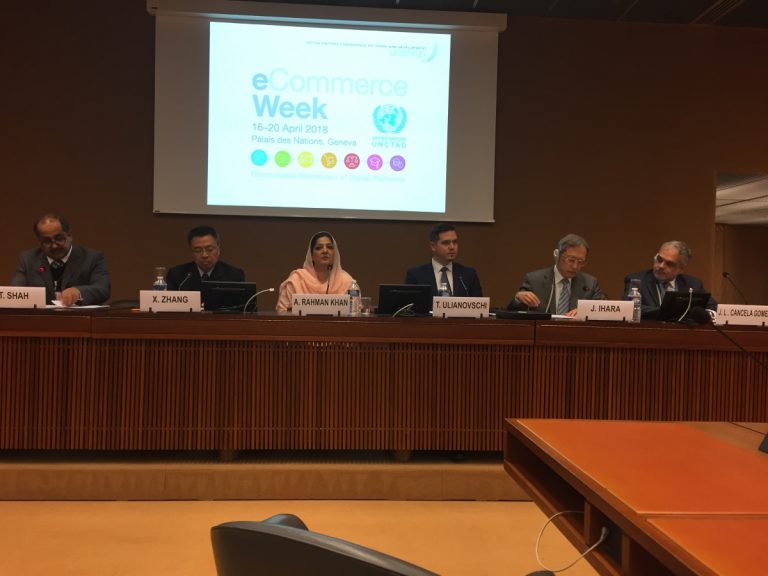
UNCTAD Ecommerce Week Opens, Development Dimensions, Data Protection

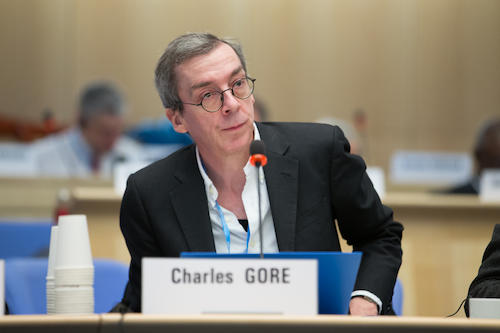
As regulation of data protection is high in the global news feed following Facebook chief Mark Zuckerberg’s testimony to the United States Congress, the fourth edition of Electronic Commerce Week of the United Nations Conference on Trade and Development (UNCTAD) opened today.

Dozens Of NGOs Oppose Proposed EU Watch List On IP Rights

A wide-ranging list of international nongovernmental organisations today issued a letter to European Trade Commissioner Cecilia Malmström opposing a proposal to establish a "watch list" of countries deemed failing to protect European intellectual property. The groups raised concern that the list would violate World Trade Organization rules on intellectual property, have a chilling effect on developing countries' public health initiatives, and lead to expanded and untenable levels of IP enforcement.

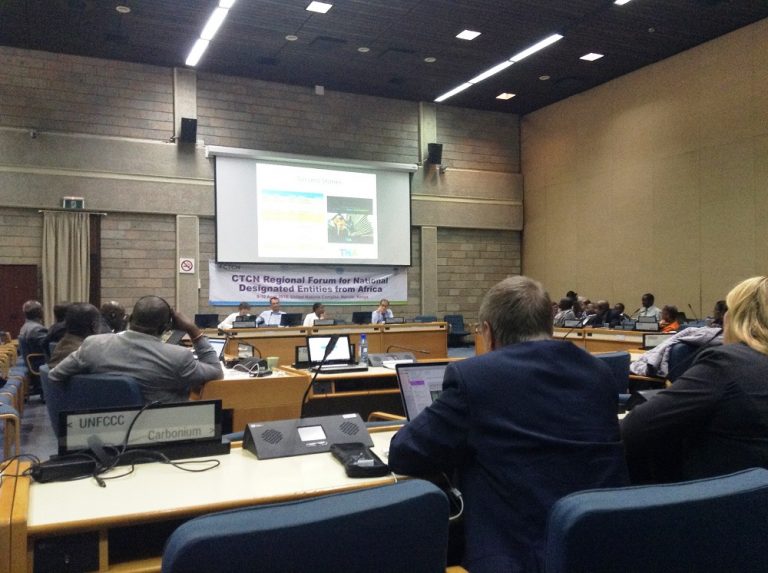
IPRs Seen To Impact Climate Change Technology Transfer In Africa

NAIROBI, Kenya -- With high vulnerability to adverse effects of climate change, African countries are keen to develop, acquire and disseminate technologies for mitigation and adaptation.

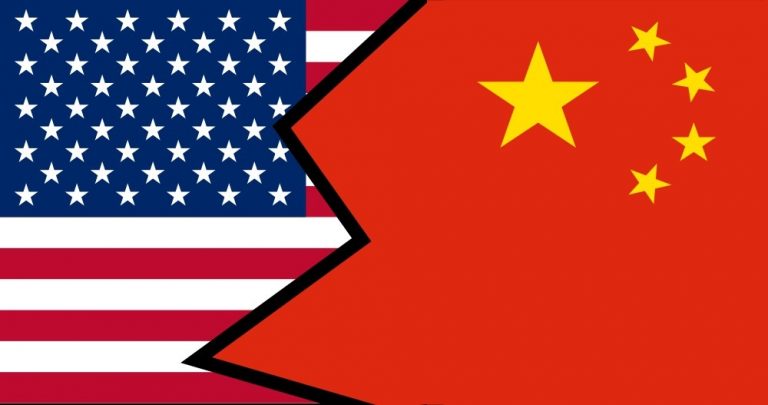
China’s “Theft” Of Foreign Technology Prompts Unlawful US Response, Experts Say

This time Donald Trump was correct: China has, for years, unfairly obtained and exploited American intellectual property and technology. But Trump’s response – imposing $50 billion in tariffs annually on a wide variety of Chinese imports – is problematic, experts warn. The tariffs appear to violate World Trade Organization rules, undermine the international rules-based economic order that has served the West well for decades, and threaten to ignite a trade war between the world’s two biggest economies.