Category WTO/TRIPS

Resisting The Law Of Greed

In 2011 in a small court in Ecuador’s Amazon jungle, a judge ordered the American oil giant Chevron to pay US$9 billion dollars in damages for pollution in the region that was caused by drilling activities in the 1970s and 1980s. The company quickly denounced landmark ruling as illegitimate. More than a year before the final ruling had been issued, Chevron had already taken steps to initiate an investor-state dispute against the Government of Ecuador under the terms of a US-Ecuador bilateral investment treaty (BIT). The company seeks to avoid paying the US$9 billion by convincing an international tribunal that the courts of Ecuador are corrupt and that the government is ultimately responsible for any environmental damage and associated health issues experienced by local residents, writes Kyla Tienhaara in Green Agenda.

NGOs Call Out Switzerland For Pressuring Colombia On Compulsory Licences; Switzerland Replies

Civil society groups are calling on the Swiss government to refrain from putting pressure on developing countries wishing to manufacture generic medicines without the consent of the patent holder. The groups allege that the Swiss government tried to unduly influence Colombia to not take such a step, though it is permitted by international trade rules.

The Swiss government, for its part, says it participated in a public consultation in Colombia and merely underlined that negotiations between governments and original manufacturers are a better way to go than a compulsory licence.

For Ministerial, Developing Countries Seek Moratorium On TRIPS Non-Violation Complaints

The ability for a member of the World Trade Organization to challenge another member for deprivation of benefits even though this member has not violated any given WTO agreement does not presently apply to intellectual property.

For years, the issue has been debated in the WTO intellectual property committee, with no conclusive outcome. Last month, a group of 17 developing countries submitted a draft decision for the upcoming WTO ministerial conference in December to lastingly ban intellectual property-related non-violation complaints, stepping ahead of the next meeting of the WTO IP committee to be held in October.

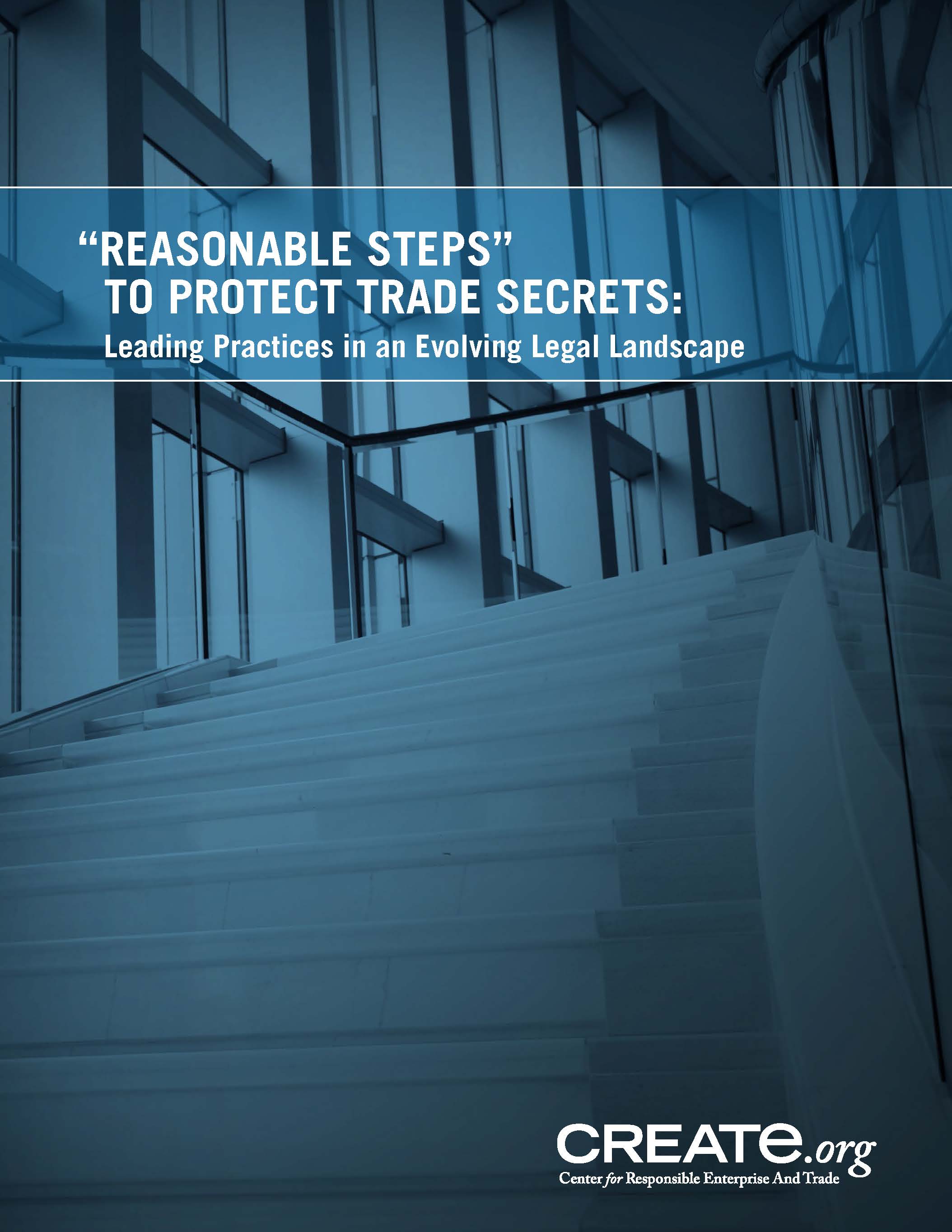
Trade Secrets: The ‘Reasonable Steps’ Requirement

Trade secret theft is a top risk for companies today. When the worst does happen and trade secrets are compromised, companies must prove that reasonable steps have been taken to protect a company’s crown jewels. But determining what "reasonable steps" are can be challenging. Governments have been vague about the term's definition; and laws and legislation continue to evolve on this issue. However, court actions do provide insight on the ‘reasonable steps requirement’ and point to the need for companies to embed trade secret protection into business operations to qualify as legal protection, writes Pamela Passman.

EU Commissioner Signals Support For LDC Request To Waive IP Rights Enforcement On Pharma

European Trade Commissioner Cecilia Malmström said in a recent speech that providing she has the backing of the College of Commissioners, the Council and the European Parliament, she would like to answer positively to the request by least developed countries (LDCs) to extend a particular exemption to enforce intellectual property rights on medical products as long as they remain an LDC.

Cuba Says It Has Protected 5,000 US IPRs, While US Violates Its Rights

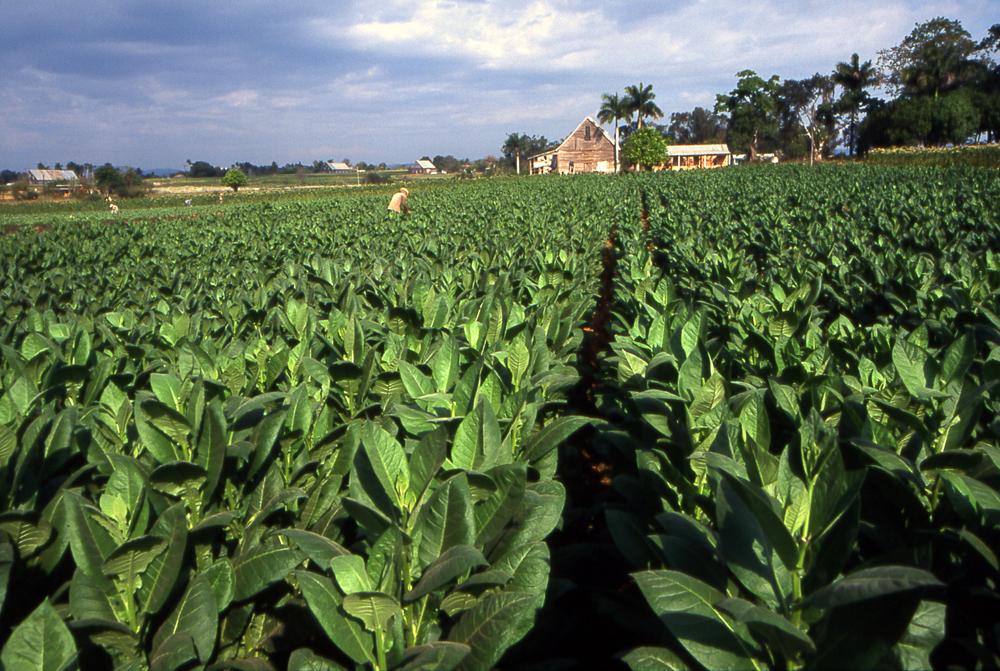
Cuba has been trying for many years to get the United States to undo a law that prevents Cuba from defending a rum brand trademark in US courts. This week at the World Trade Organization, the Caribbean country said during this time it has dutifully protected the intellectual property rights of more than 5,000 US products, while the US has allowed violations of Cuban patents and trademarks.