Category WIPO

WIPO Sale Of Madrid Union Real Estate In Geneva Comes Under Scrutiny

The UN World Intellectual Property Organization's 7 million Swiss franc sale early this year of a building providing revenue to the Madrid Union on trademarks is being looked at more carefully this week after being flagged by the WIPO external auditor. Meanwhile, WIPO members are considering a recommendation to raise fees on international trademark registration for the first time in 20 years.

WIPO Looks To Diversify Its Revenue Sources From High Dependence On PCT

The World Intellectual Property Organization Program and Budget Committee (PBC), a key member-state body at the UN agency, today opened a week of work on a range of issues. Opening the meeting, WIPO Director General Francis Gurry highlighted the positive financial status of the organisation but cautioned that external factors could make it risky to continue its heavy dependence on the popular Patent Cooperation Treaty.

WIPO Program And Budget Committee Meeting Topics: New Projects, Reform, Rise In Expenses

The World Intellectual Property Organization Program and Budget Committee, one of the main governing bodies of the organisation, will meet next week to finalize a range of issues on the functioning and work of the UN agency for the year. If WIPO has an insolently good financial status for a United Nations organisation, auditors still made a number of recommendations including on the trademark system managed by WIPO, the rental of space to third parties, the recording of works of art in the building, and late travel authorisations.

WIPO Publishes Report On Its Workforce

The United Nations World Intellectual Property Organization has released statistics on its workforce showing that 118 countries are represented in WIPO staff, some 50 percent of which benefit from permanent contracts, while the organisation has become a strong magnet for job applicants, over 12,000 in 2017.

New Paper Looks At Differential Protection For Traditional Knowledge, Folklore

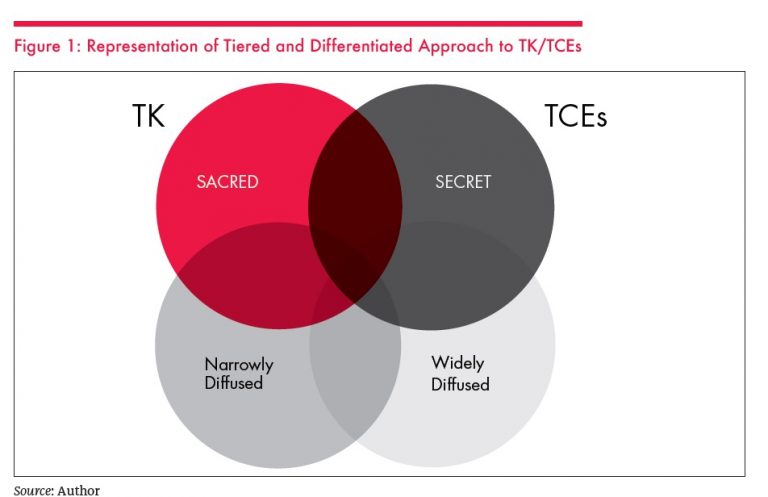
The protection of traditional knowledge and traditional cultural expressions (folklore) has been escaping consensus at the World Intellectual Property Organization for many years. One of the reasons for this lack of agreement is the particular nature of traditional knowledge and folklore. Some years ago, a new concept, calling for a different protection according to the degree of diffusion of this knowledge, gained support. A new paper looks into the benefits of this approach and its implementation in local contexts.

New Document On Traditional Knowledge, Folklore At WIPO; Chair Calls For New Conceptual Approach

The protection of traditional knowledge and folklore against misappropriation is a topic that has been occupying World Intellectual Property Organization delegates for close to two decades. This week a new draft document, presenting a proposed revision of a set of draft articles of potential treaties, was released by a drafting team. As some countries are keen on preserving their original language and ideas, the committee chair called for delegates to move on with their work, and lift themselves above how the patent and copyright system works.

WIPO Traditional Knowledge Committee Begins Work On Core Issues; Indigenous Peoples May Be Left Out

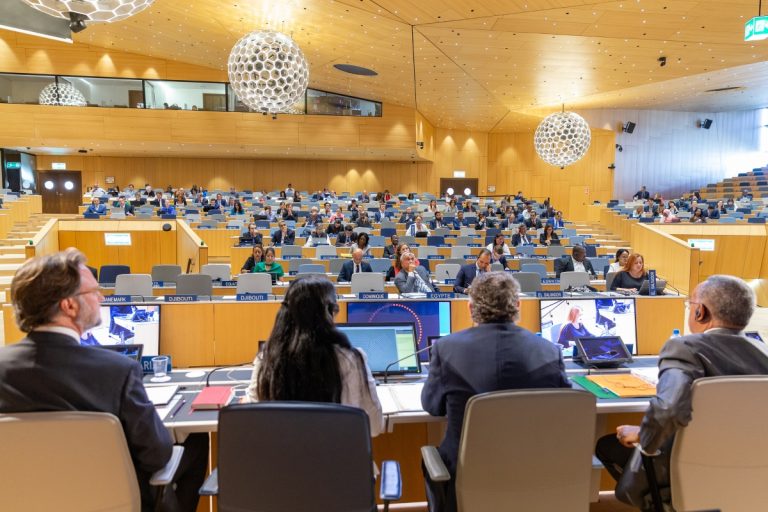
The World Intellectual Property Organization’s committee seeking to find solutions against misappropriation of traditional knowledge opened this morning. While delegates are expected to negotiate wording of a potential treaty, the fund allowing indigenous peoples to participate in the discussions is empty with no foreseeable new donors, described by the chair as a historical situation. The committee is also trying to agree on recommendations for the upcoming WIPO General Assembly next month. On core issues, such as what the protection should cover, who would benefit from it, and under which conditions, delegates still have to find common positions.

USPTO Seeks Comments On Draft Strategic Plan 2018-2022

The United States Patent and Trademark Office (USPTO) is seeking comments on its draft strategic plan for the years 2018-2022. The draft plan covers a range of goals, including optimizing patent and trademark quality and timeliness, and providing "domestic and global leadership to improve intellectual property policy, enforcement, and protection worldwide."

WIPO Looks At Importance Of Standards Documents, Collaboration Of IP Offices And Standards Organisations

Common standards are essential for technologies, particularly for interoperability. However, a number of technologies essential to standards are patented, which has created issues relating to licensing or high royalties. Last week, the World Intellectual Property Organization organised an information session on patents and standards, including aspects of patent quality, issues relating to international trade, and the role of the organisation in facilitating the relationship between patents and standards.