Category WIPO

Developing Country Broadcasters Ask For International Signal Protection At WIPO

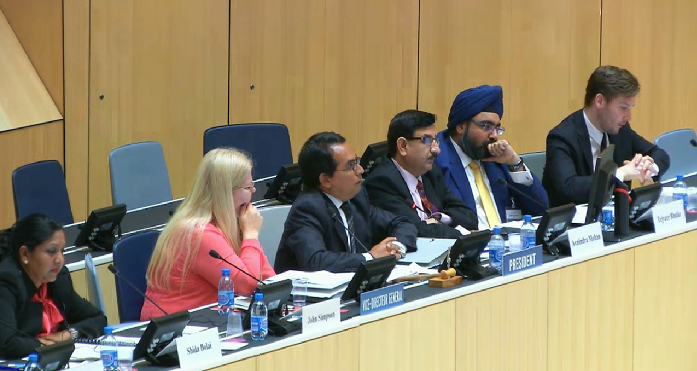
The World Intellectual Property Organization committee on copyright opened this week with an information panel that underlined that broadcasters in developing countries face more or less the same issues than their counterparts in developed countries. Piracy remains a shared issue. This week, the committee is expected to breach the gap on differences on a potential treaty to protect broadcasting organisations.

WIPO: Databases To Protect GRs, TK, Useful But Some Controversy

In the quest to find solutions to protect traditional knowledge and genetic resources from misappropriation, some countries have resorted to private databases to be used by patent examiners. Indigenous peoples are wary of the process primarily because they are not sure their knowledge will remain safe in those databases. Speakers at a World Intellectual Property Organization this week discussed the pros and cons of such defensive protection.

Two Sides Of Copyright Law To Be Considered By WIPO Committee Next Week

The World Intellectual Property Organization committee on copyright is meeting next week with an agenda of discussions on a potential international instrument to protect broadcasting organisations’ copyrights, and at the same time exceptions and limitations to copyright for the benefit of libraries, archives, education, research, and persons with disabilities other than sight impairment.

WIPO Roving Seminars Reach Out To Stakeholders In Developed Countries

The World Intellectual Property Organization has initiated a programme of reaching out to stakeholders in developed countries with “roving seminars” on WIPO services and initiatives. The programme targets potential WIPO customers, promotes local IP services and offices, and promotes intellectual property protection.

WIPO’s New Act For GIs: Not Much Ado About Place Names?

Recent negotiations at the World Intellectual Property Organization to create a new Act for the protection of geographical indications were intensive, with the outcome considered a landmark breakthrough by negotiators and a blow to the UN agency’s legitimacy by others. But a search on global coverage of and reactions to the new agreement raises the question of whether it has attracted broader attention.