Category WIPO

US Working To Block UN High-Level Panel On Access To Medicines Ideas In Geneva And Capitals

The United States, possibly working with like-minded countries, is working to prevent the further spread among international organisations in Geneva of recommendations put forward by the 2016 United Nations High-Level Panel on Access to Medicines, considering them to be ideological driven and dangerous to economic growth. The comments were made by a US official speaking to a recent US industry event in Washington DC involving many of the US intellectual property attachès, at which two attachés from Geneva described latest developments and strategy for the coming year. A key message from attachès to industry: come to Geneva and engage, starting with this week’s Executive Board meeting at the World Health Organization.

Moving Landscape In The IP World – Organisations, Industry, Law Firms

The end of 2017 and start of 2018 brought a lot of changes in the global intellectual property arena. The World Health Organization underwent major changes in its leadership following a new head elected in May, UNAIDS has a new deputy executive director, the World Intellectual Property Organization is seeking a new leader of its Global Challenges division, and the Board of the Internet Corporation for Assigned Names and Numbers decided on a number of appointments. The European Patent Office elected a new president, and the industry world also saw its share of changes. The International Federation of Pharmaceutical Manufacturers and Associations welcomed some new faces, and the head of the Federation of the European Sporting Goods Industry is changing. Law firms saw a high level of revolving chair movements, and promotions of attorneys to partners.

Blockchain-Related Patents On Exponential Rise, Lawyer Says. Targets? China, US, UK

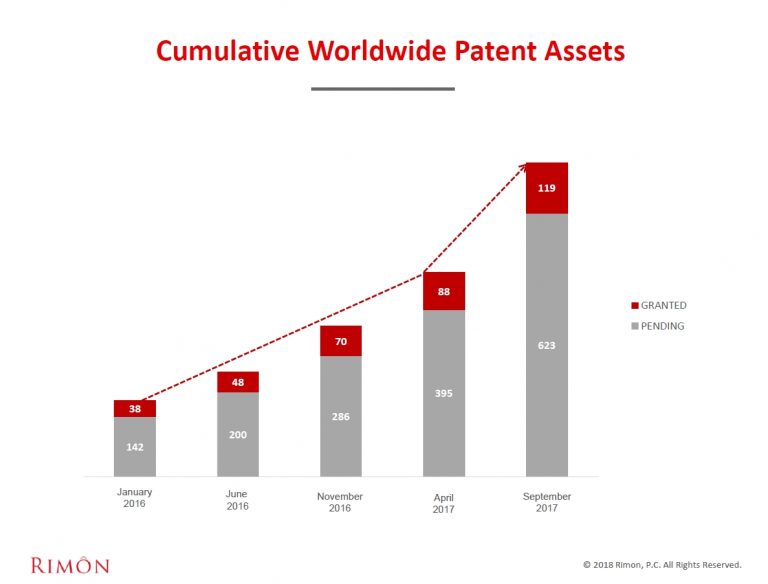
Patent applications related to blockchain technology are rising at exponential rate, according to a presentation given yesterday by a partner at United States law firm Rimon. Inventors are seeking intellectual property protection, bringing challenges into the blockchain ecosystem, such as infringement and patent trolls. He called for industry collaboration on IP, and the possibility of patent pools.

Top IP-Watch Stories Of 2017: What Do They Tell Us About Multilateral IP Policy?

What IP-Watch stories were readers reading most in 2017, and what does it say about the state of global intellectual property policy? In this article, we look at the most-trafficked stories of last year, and make a few assumptions. Asia, Europe, trade, health. These were the top targets of interest to readers among our offerings. Interestingly, despite all the sound and fury in Washington, our coverage there was not at the top of the list. Even more interestingly, neither was our extensive and world-leading coverage of the World Intellectual Property Organization.

South Africa’s Push For Knowledge-Based Economy Through IP

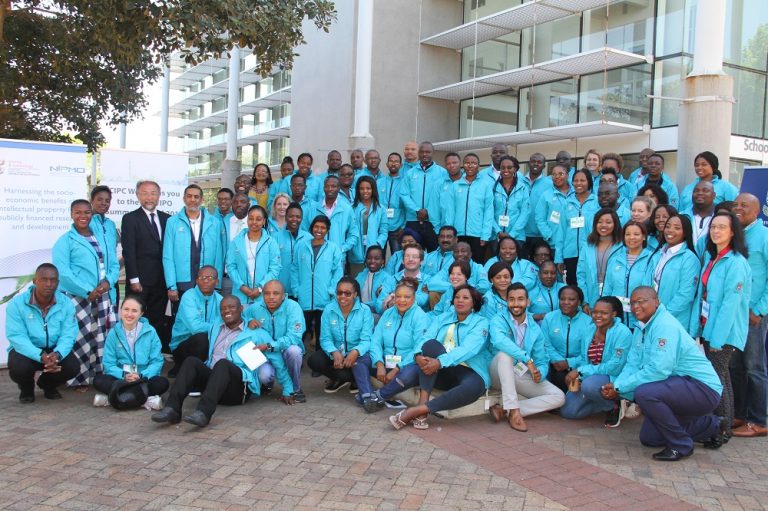
CAPE TOWN, South Africa – “If you want to create a knowledge-based economy and be part of it, be players not observers. There isn’t a stronger backbone than having an understanding of what IP is.” This statement was made by Mmboneni Muofhe, Department of Science and Technology (DST) deputy director general for technology and innovation, at the ninth Intellectual Property Summer School held at the University of the Western Cape (UWC) in December. The meeting brought together students, lawyers, scientists and different professionals drawn from Africa and other parts of the developing world for a ten-day intensive programme in intellectual property.

WIPO Patent Law Committee Agrees On Future Work, Stays On Safe Path

The mood was conciliatory this week at the World Intellectual Property Organization patent law committee as delegates mainly shared experiences and heard presentations. The five topics composing the work of the committee, which had been carefully negotiated in the summer and reflecting a “delicate balance” of interest between countries, will be pursued at the next session. Among them are the topics of patents and health, technology transfer, and the quality of patents.

WIPO Gives Overview Of Its Legislative Assistance To Developing Countries

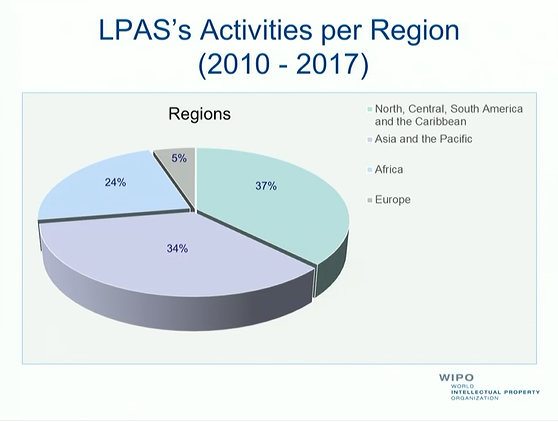
The World Intellectual Property Organization provides legislative assistance to countries upon request. This week during the meeting of the Standing Committee on the Law of Patents, the secretariat explained how WIPO provides this legislative assistance. This followed a 2015 proposal to revise WIPO’s 1979 Model Law for developing countries on inventions. The proposal was not accepted by developed countries concerned over the extent of the task, and some pointing out that WIPO is delivering more effective tailored legislative assistance.

WIPO Delegates Told Patent Information Essential, Given Revealing Data On Medicines Access and Trade

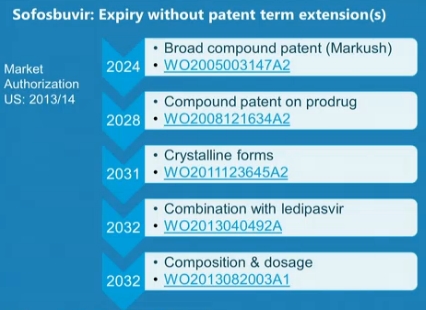
World Intellectual Property Organization patent law committee delegates heard a number of presentations this week on the relationship between patents and health, and access to medicines. The importance of patent information and accurate, up-to-date databases was underlined, particularly for procurement. The weight of intellectual property rights on the issue of access to medicines and prices and generic market entry was pointed out, but so were other factors, such as the small percentage of new drugs with added benefit, tariffs, and trade delays.

Patents And Health Under Discussion At WIPO This Week: What Role For The UN IP Agency?

Patents are often involved in public health policy discussions, and are considered by some as playing a major role in the escalating prices of new medicines, creating access issues. The World Intellectual Property Organization committee on patent law this week is discussing the issue and is holding information sessions by the Medicines Patent Pool, World Health Organization, and the World Trade Organization.

WIPO Committee On Development and IP Agrees On Future Work, Keeps Several Issues Open

The World Intellectual Property Organization Committee on Development and Intellectual Property in its latest meeting agreed on a list of items to be discussed at its next session. No consensus was found on a potential biennial conference on IP and development, but discussions are set to continue. The committee also agreed to a suggestion to invite the team conducting an independent review on the implementation of the Development Agenda Recommendations to further explain some of their own recommendations.