Category WHO

Medicines Vastly Overpriced, Generics Too: Discussion At WTO-WIPO-WHO Symposium

The price of hepatitis C medicine marked a turning point in the discussion on access to medicines, with developed countries suddenly confronted to prices they could not afford. This week, a symposium jointly organised by the World Health Organization, the World Trade Organization, and the World Intellectual Property Organization explored the question of the pricing of medicines. A number of suggestions were made to alleviate the issue, such as ensuring wide use of generic medicines, encouraging competition, and alerting countries about the cost of medicine production so they negotiate better with pharmaceutical companies.

Video Gaming Industry Issues Attack On WHO’s Proposed Gaming Disorder Classification

Teens' (and others') life-altering obsession with video gaming is well-known to almost any parent in most countries around the world, and the World Health Organization recently identified it as an addiction called "gaming disorder." Today, the self-acclaimed $36 billion video gaming industry hit back with a statement about a new paper from "preeminent researchers and scientists" that it says casts doubt on the WHO's efforts.

WTO, WHO, WIPO Heads Share Views On Innovation And Access At Trilateral Symposium

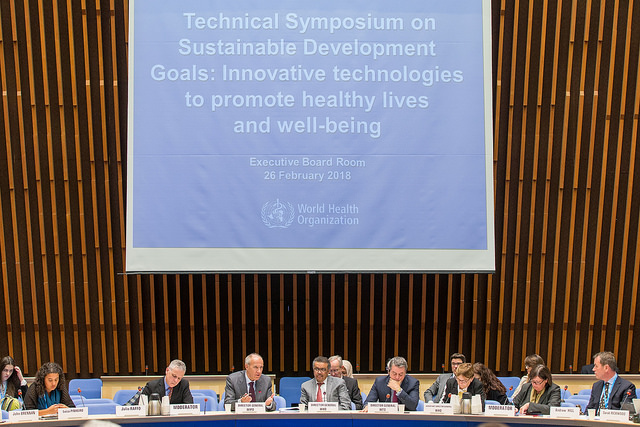
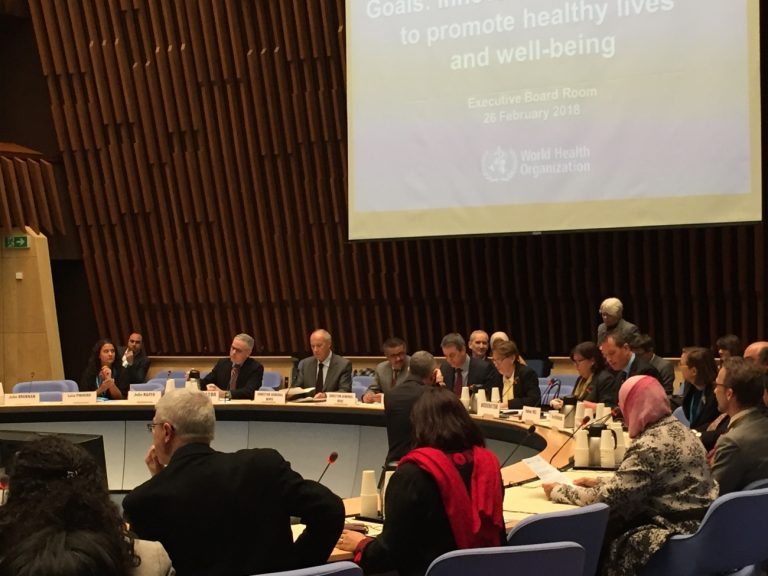
How to encourage health innovations and make sure that new medicines, vaccines, or diagnostics will reach every person who needs them? That is a question which has been hotly debated in different fora. Yesterday, the World Trade Organization, UN World Health Organization, and UN World Intellectual Property Organization jointly held a symposium on how innovative technologies can promote the United Nations Sustainable Development Goals. The WHO director general called on his colleagues to support policies facilitating access to health technologies.

Swiss Panel Looks At Value-Based Drug Pricing, Link Between R&D And Prices

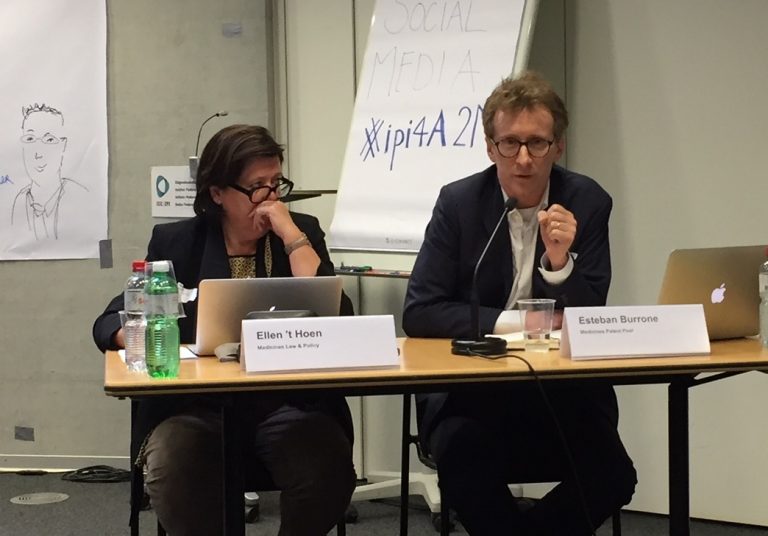
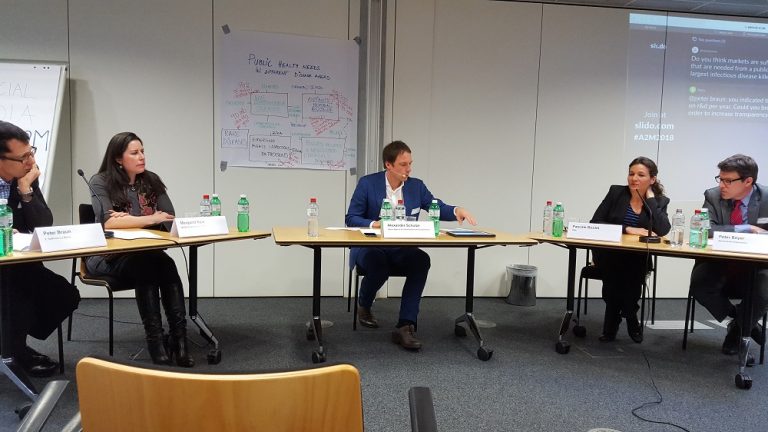
Some products are too cheap, generic drug companies do not invest in them because they do not make enough money out of them. Others seem astronomically expensive, and are said to include the costs of all research, successes and failures alike. Panellists at a recent Swiss-organised expert event in Bern concurred that something must done about pricing, and explored some surprising ways to do it.

WHO Names High-Profile Commission On Non-Communicable Diseases

The World Health Organization today announced a new high-level commission of heads of state, ministers and other leaders in health and development to come up with "bold and innovative solutions" against non-communicable diseases such as heart and respiratory diseases, cancers and diabetes. The chairs of the commission include the presidents of Uruguay, Sri Lanka, and Finland, the Russian health minister, and a former minister of Pakistan who was a candidate for director general of the WHO. They are joined by nearly two dozen others, including corporate public figures Michael Bloomberg and Jack Ma.

CARB-X Announces First Award Of 2018; Seeks Partners For Antibacterial Research

CARB-X, the private-public partnership for research on antimicrobial resistance, today announced its first award of 2018, nearly $2 million for the development of a new class of antibiotics. Meanwhile, the group has announced it is seeking to partner with accelerator organisations to build its pipeline of early development research projects. It also announced a study that called for a new global approach and greater financial incentives for antibiotic research.

Innovations For All: Swiss-Led Panel Looks At What Works, What Doesn’t

The current innovation system has yielded many important innovations and extended human life, nobody disputes this. But what about the cases where it hasn’t and a problem persists? A panel of health experts organised recently by the Swiss government and including representatives of the pharmaceutical industry, the World Health Organization, academia, and a research institution held an unusually open and positive discussion that sought to get underneath the issue.

Do We Need A Global Body To Set Priorities For Diseases And Research?

A recent panel of health experts gathered at the hallowed Swiss Intellectual Property Institute in Bern (which counts Albert Einstein among its alumni) tackled some of the toughest questions facing global health policymakers with an eye toward actually solving them and not just restating polarised positions. One of the ideas discussed at the event was how priorities for diseases and research are handled at the global level.

Leadership And Change: An Interview With Medicines Patent Pool Board Chair Marie-Paule Kieny

The unexpected announcement in December of the resignation of the Medicines Patent Pool executive director left the Pool searching for its new head. Marie-Paule Kieny, former World Health Organization assistant director general, now chair of the MPP governance board stepped in to oversee the MPP while the search goes on. She sat down recently for an interview with Intellectual Property Watch to explain that MPP is conducting business as usual, and is keeping firm in its plan to release the results of a feasibility study analysing the possibility for MPP to extend its licensing activities to other essential medicines still under patent.