Category WHO

A Look At Latest Figures On R&D For Neglected Diseases

Financing for research and development into so-called neglected diseases – those predominantly affecting lower-income populations – rose recently mainly due to the Ebola outbreak, and private sector contributions represent a bigger share, according to the latest available data from a Gates Foundation-supported database.
WHO Issues First List Of Potential Deadly Bacteria If No New Antibiotics Are Found

Microbial resistance to antibiotics has been rising and the world is now facing the serious possibility of falling back to the days when infectious diseases were hardly treatable. The World Health Organization today published a list of bacteria for which new antibiotics are most urgently needed, to help with the race against time, as the medical world is running out of treatment options.

German-Backed Report Lays Out Strategy For R&D Into New Antibiotics

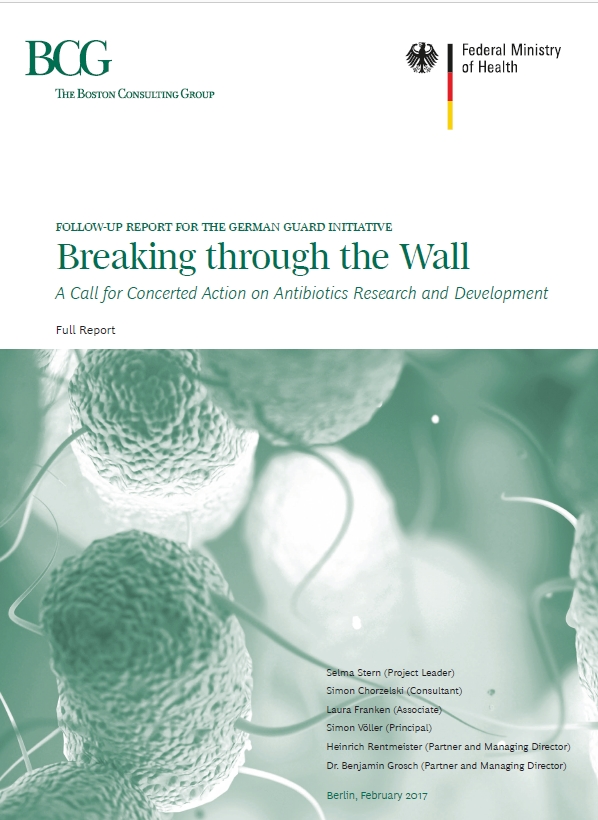
In the face of the lack of attractiveness of investing in research for new antibiotics for the pharmaceutical industry, and the general lack of funding for research and development for novel antibiotics, a new report commissioned by the German Federal Ministry of Health calls for countries to take action. In particular, the report proposes a global union for research and development, a global research fund, and a global launch reward. And access and pricing are key components of the strategy, it says.

Momentum-Building: An Interview With Ruth Dreifuss On High-Level Panel On Access To Medicines

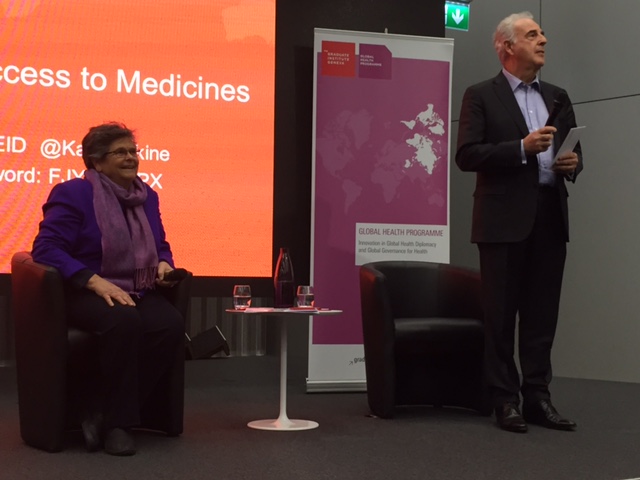
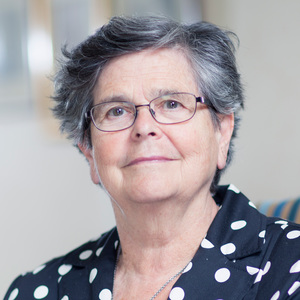
Former Swiss President Ruth Dreifuss, co-chair of the United Nations Secretary General’s High-Level Panel on Access to Medicines, participated in a Geneva event on rare diseases earlier this month. She agreed to answer Intellectual Property Watch’s Catherine Saez about the High-Level Panel report, in particular how it was received by the international community, her take on criticisms that have been voiced, and the importance that the report be discussed at the international level such as the World Health Assembly.

Special Report: WHO Board Sets Review Of 10-Year Effort To Boost Medicines Access, Affordability

Once considered a breakthrough in negotiations to address problems of making cutting-edge medical products and research available to poor countries, the decade-old World Health Organization Global Strategy and Plan of Action on Public Health, Innovation and Intellectual Property (GSPOA) is now undergoing review, with the WHO Executive Board calling for a report on the initiative and plans for its future next year.

Geneva Health Campus: New Home For Global Fund, GAVI, Unitaid In 2018

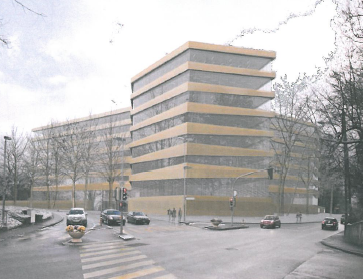
The construction of a new building to host the Global Fund to Fight AIDS, Tuberculosis and Malaria and other key players in the area of global health is well under way in Geneva. The “Campus Santé” (Health Campus) is expected to open its doors at the beginning of 2018. The hosts of the building will be tenants, while the investment costs are borne by Crédit Suisse, a prominent Swiss investment bank.

The Problem With Rare Diseases: R&D Lacking, High Prices, Discrimination, IP Issues

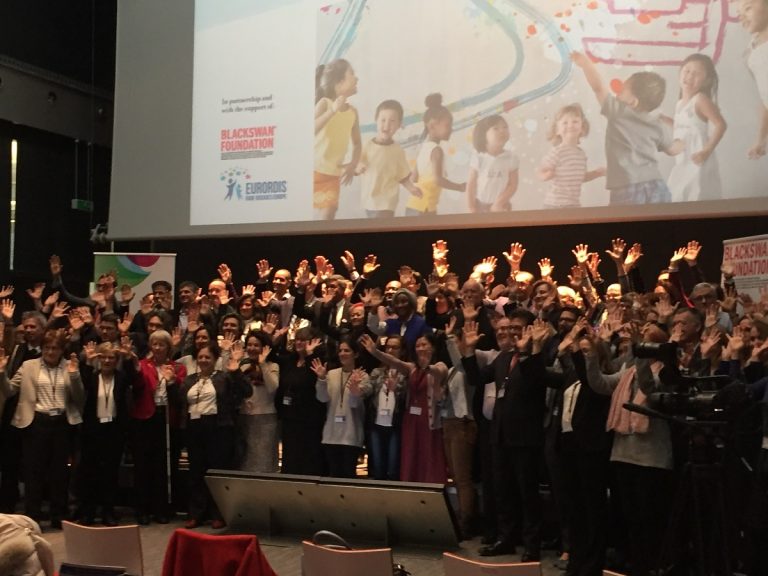
Over 6,000 rare diseases, those affecting very small populations, have been documented in the world. For those affected, treatments are mostly non-existent, and if they do exist, are not affordable. An event last week gathered a number of stakeholders, including rare disease organisations, the World Health Organization and the pharmaceutical industry to discuss the particular issue of rare diseases. The case of rare diseases is an exacerbated example of research, pricing, accessibility and affordability.

Confidential Draft Of WHO Cancer Resolution Shows Remaining Issues IP-Related

The latest version of a draft resolution on addressing the global rise of cancer negotiated last week at the World Health Organization shows that remaining points are intellectual property-related, but there seems to be agreement on referencing trade flexibilities in the text, even from the United States, and a common goal of lowering prices of treatment. WHO members tried to reach common language during the Executive Board in January but time ran out and discussions are expected to continue until the annual World Health Assembly in May.

No Shorter Floor Statements Nor Cap On Agenda Items, Says WHO Board

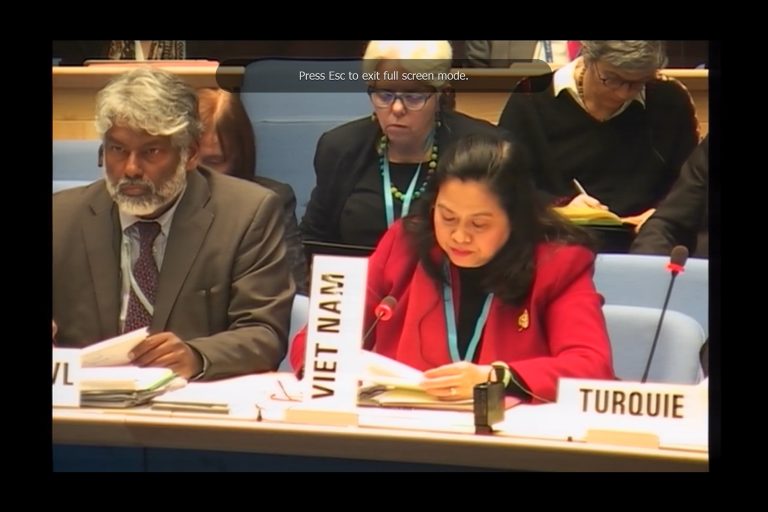
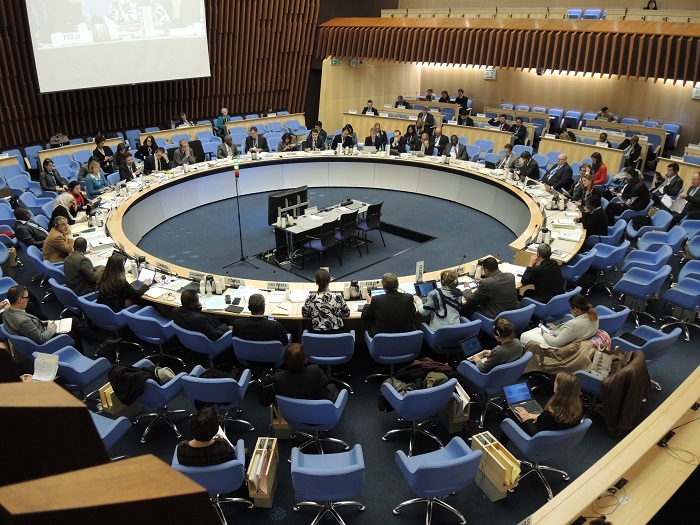
Despite being in a time of tight budgets, the World Health Organization Executive Board meeting which ended this week had its heaviest agenda ever, according WHO Director General Margaret Chan, adding to staff workload and expenses. But the Board finished its work a day early (though after holding three evening sessions), earning praise from Chan. Efforts during the week to make meetings more efficient by limiting agenda items and reducing time allowed for statements fell short. Separately, concerns arose over a leadership advisory group to the WHO director general.