US Tech Industry Associations Endorse TPP
A number of internet and software industry in the United States have come out in support of the Trans-Pacific Partnership (TPP) negotiated by the Office of the US Trade Representative (USTR) last year.

Original news and analysis on international IP policy
A number of internet and software industry in the United States have come out in support of the Trans-Pacific Partnership (TPP) negotiated by the Office of the US Trade Representative (USTR) last year.
The leaders of India and the European Council today in Brussels discussed a wide range of topics including intellectual property rights - including geographical indications - innovation, digital issues, and health and pharmaceuticals.

The controversial ruling was perhaps to be expected. The Federal Circuit Court of Appeals doggedly hewed to its existing interpretation of patent law. Unfortunately, the court’s decision in Lexmark International v Impression Products conflicts with recent Supreme Court jurisprudence, according to many experts – thus leaving unresolved some important questions about how much control patentees can maintain over their patented products.
Leading Russian television channels, among which are First Channel, STS, Ren TV, TNT the Comedy, Nostalgia and some others, have filed a class action lawsuit related to intellectual property rights in a New York court against their US repeaters, including Infomir, Panorama TV, Goodzone TV.
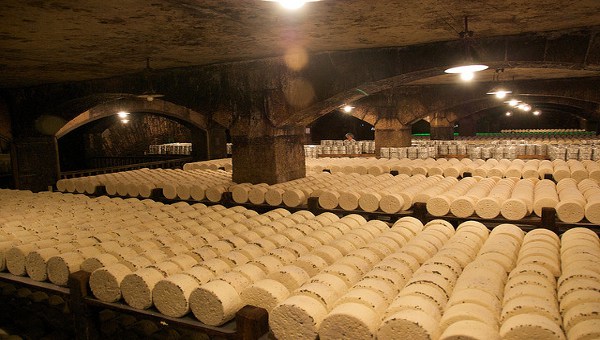
Ever heard of Törkölypálinka? It is a Hungarian grape marc spirit and one of approximately 200 geographical origins listed by the European Commission negotiators of the Transatlantic Trade and Investment Partnership (TTIP). In their newly published proposals, the EU negotiators laid out their ideas on GI protection in the deal, and point to an earlier EU-US agreement with regard to GI protection of wines and spirits. But they also acknowledge the need for considerable bridging between the two systems. GI protection is expected to be one of the highly controversial issues in the “end game” of TTIP.

The new Anton Mostert Chair of Intellectual Property Law at the University of Stellenbosch in South Africa, Professor Sadulla Karjiker, has pointed a finger at the country’s Department of Trade and Industry (DTI) for being “unresponsive” to stakeholders offering their input into proposed IP legislation.
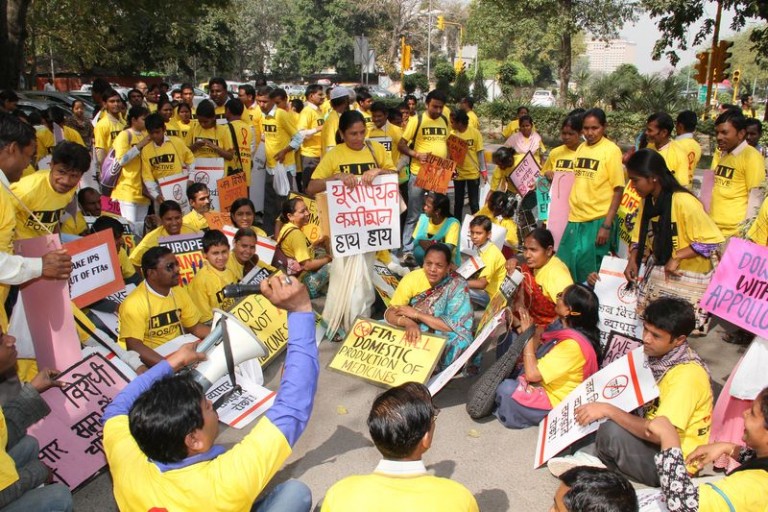
That the Indian government has been under pressure from the United States to change its patent regime is no secret among those who follow the public discourse on intellectual property rights. Now, a new controversy about India’s alleged private assurance to the US-India Business Council (USIBC) and other lobby groups that it would not invoke compulsory licensing for commercial purposes seeks to add fuel to fiery speculation about a shift in India’s policy on IPR.
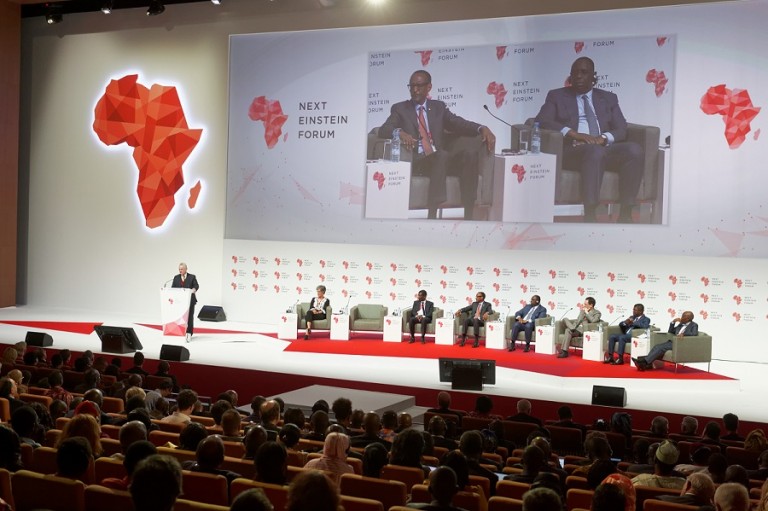
DAKAR, Senegal – Rachel Sibande won accolades when she started Malawi’s first ever technology start-up mHub in 2013.
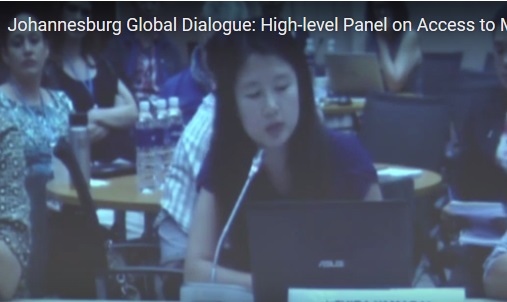
Speakers from Asian civil society provided recommendations to the public hearing of the United Nations Secretary General’s High-Level Panel on Access to Medicines held yesterday. They underlined the unaffordability of medicines in their countries, the inefficiency of current mechanisms such as voluntary licensing, and the pressure applied by pharmaceutical companies and the United States and Europe to prevent the use of compulsory licences. One speaker warned against the expert advice given by the World Intellectual Property Organization to least-developed countries, while others pointed to stringent intellectual property measures in free-trade agreements.
The United States government has increasingly engaged India on intellectual property rights and other trade issues in recent years, and US negotiators are under still more pressure to include industry in this engagement and deliver more results, a recent letter from 14 members of the US Congress shows.
The Obama administration last week published a draft software source code policy that requires all government agencies to publish their custom-build software as free software for public use, according to the Free Software Foundation Europe (FSFE).
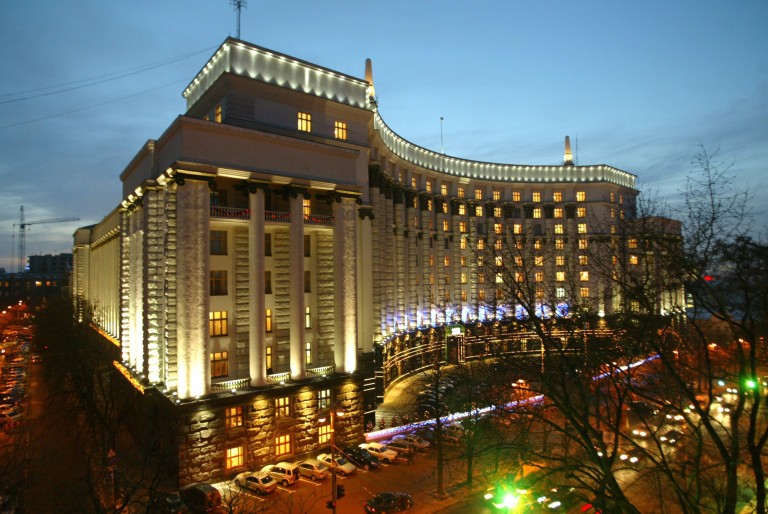
The Ukrainian Parliament is currently drafting an amended Customs Code to introduce a number of changes to the country’s intellectual property legislation. Moreover, in mid-March, local lawmakers authorised Ukraine’s President Petro Poroshenko to ratify the protocol amending the TRIPS agreement which enables increased exports of pharmaceuticals produced under compulsory licences to countries which are not capable of manufacturing them locally.