Category Regional Policy

Infojustice.org – Australian Commission Recommends Fair Use To Restore Balance In Copyright Law

Infojustice.org reports: A draft report by the Australian Productivity Commission (APC) concludes that the current copyright law fails to properly balance the interests of copyright holders and users. It warns that “Australia’s copyright arrangements are weighed too heavily in favour of copyright owners, to the detriment of the long-term interests of both consumers and intermediate users.” The APC makes recommends changes to the law to address the imbalance, including “the introduction of a broad, principles-based fair use exception.”

Special Report: The Battle For Biosimilars In India

[story updated] Biosimilar drugs hold out big opportunities for India’s drug companies. But the future is fraught with challenges. One key challenge is regulations.

What does this mean for countries like India, an emerging market for biosimilars? How will the evolving global regulatory environment on biosimilars impact patients?

Last month, both these questions came to the fore as the battle over biosimilars moved centre stage in this country in the wake of an interim order by the Delhi High Court, and then another decision by a Division Bench of the same court which took a different view.

Measure Allowing Federal Courts To Handle Trade Secrets Claims Clears US Congress

Legislation authorising federal courts to hear cases involving theft of trade secrets passed the US House of Representatives on 27 April and is now headed for an expected signature by President Barack Obama. Final enactment of the “Defend Trade Secrets Act of 2016” (DTSA), along with the 14 April adoption by the European Parliament of the EU Trade Secrets Directive, boosts protections on both sides of the Atlantic but not uniformly, intellectual property lawyers said.

Why We Celebrated World Intellectual Property Day 2016

Corey Salsberg writes: Yesterday was World Intellectual Property Day. April 26 is the day we celebrate and call attention to the global intellectual property (IP) system. Why do we set aside a day for the entire world to stop and reflect on a subject that, for many, may seem more at home in board rooms, lecture halls, and legislatures, than in cafes, farms, and internet blogs?

On IP Protection, USTR Finds Fault With China, India … And Switzerland?

The Office of the United States Trade Representative (USTR) does not hesitate to add even its closest friends to its annual list of concerns about possible inadequate protection of US intellectual property rights. So this year, along with perennial listees China, India and dozens of others, vigorous IP-rights defender Switzerland makes an appearance. The annual Special 301 report was issued today, and in its press release this year, USTR also included its primary client in publishing the list - the rightsholder industry.

Drawn Out Battle Over Genetic Resources Dampens Africa’s Hopes

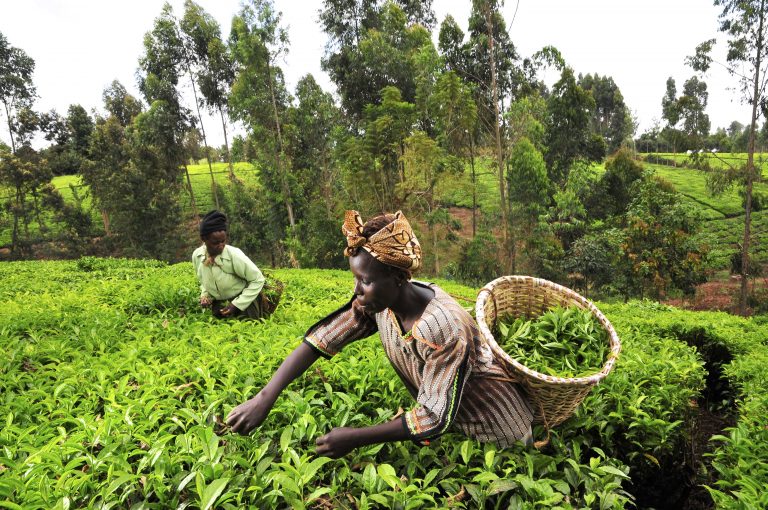
Chidi Oguamanam writes: The global South is full of significant, diverse biological and genetic resources. It’s also home to most of the world’s indigenous communities. This is why developing countries are sensitive about protecting their genetic resources and traditional knowledge.

Indigenous communities enjoy a close relationship with nature. Genetic resources are central to producing their traditional knowledge. This drives innovations in agriculture, medicines and conservation. But global intellectual property frameworks – the legal mechanisms for securing knowledge ownership – still haven’t taken this reality into account.

Irony? Publisher Celebrates IP By Revoking IP

There's no better way to celebrate something than by doing the opposite of it. That seems to be the message of a leading publishing company. In a campaign today to hail the virtues of intellectual property, it appears to be hoping to gain goodwill - and possibly some sales - by removing intellectual property on its products.

In US, Growing Battle Over Offensive Trademarks

The US Patent and Trademark Office (USPTO) is not admitting defeat. It is still refusing to register trademarks that disparage people, even though this policy violates the First Amendment’s guarantee of free speech, according to a December decision by the Federal Circuit Court of Appeals. The USPTO has appealed the court ruling, and many experts expect the Supreme Court will soon rule on whether there is constitutional protection for disparaging marks. [Updated!]