Category Regional Policy

European Music Industry Presses Brussels To Solve “Value Gap” From User Uploads

More than 1,000 recording artists and songwriters from Europe, and artists who regularly perform there, have urged the European Commission to stop the “value gap” created by user upload services such as Google's YouTube from “siphoning value away” from the music community. Google, however, said digital services aren't the problem, and that greater transparency on royalties is needed.
US Sees Weak African IP Protection, But Not Enough To Lose Unilateral Trade Benefits

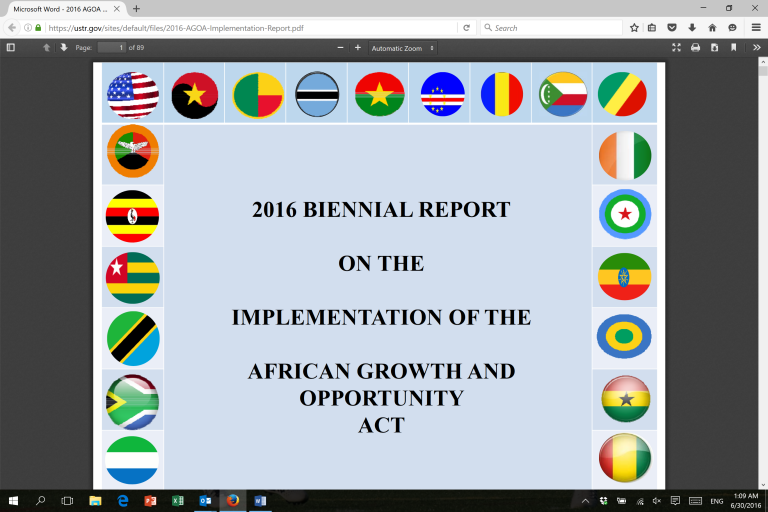
The Office of the United States Trade Representative (USTR) today (29 June) released its annual report on the eligibility of African nations for unilateral trade benefits offered by the US. While some countries were praised for progress on intellectual property protection, others were found to be weak in this area, but none were removed from eligibility for that reason. Overall, reporting on IP rights varied widely in the report.

Russian IP Industry At Center Of Massive Scandal

The Russian IP industry is in the center of a massive scandal, caused by the yesterday’s arrest of Sergei Fedotov, director general of the Russian Authors' Society (RAO), a public association, which is responsible for the collection and distribution of royalties among rights holders, on the suspicion of multi-million dollar theft and withdrawal of funds to abroad.

Embassy In London Under Siege, IP A ‘Neo-Liberal Pillar’, Ecuador Minister Says

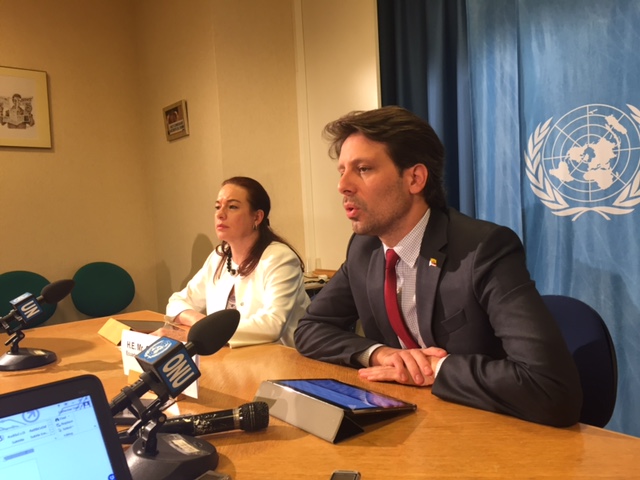
A top Ecuadoran official said today at the United Nations in Geneva that WikiLeaks founder Julian Assange’s health is deteriorating after four years confined in the Ecuadoran embassy in London, while the United Kingdom and Sweden are ignoring the findings of the UN Working Group on Arbitrary Detention which called for Assange’s release. The Ecuadoran Minister of Foreign Affairs also said Ecuador will carry on issuing compulsory licences for medicines as it sees fit, underlining the increasing role of intellectual property and the greater privatisation of knowledge.

Clinton Lays Out Presidential Tech & Innovation Plans

US presidential candidate Hillary Clinton has issued highlights of her plan to boost the nation's competitiveness in and attention to technology, internet and innovation if elected. The platform hits many of the latest issues and buzzwords in those fields, continuing existing programs but also pushing further in some areas. Among the plans: appoint a chief innovation advisor, reduce frivolous patent litigation, support allowing the US Patent and Trademark Office to keep its fees, boost access to orphan copyrighted works and open licensing, support multi-stakeholder internet governance, and keep the internet open worldwide. Clinton also gave a nod to personal privacy online and took a jab at the SOPA bill that was defeated for over-reaching on behalf of IP rightsholders.

National Parliaments Not Needed For CETA Approval, European Commission President Juncker Says

European Commission President Jean-Claude Juncker said today that the European Union would not include national parliaments of EU member states in the final decision on the Canada-EU Trade Agreement (CETA). Juncker's CETA statement was made during the post-Brexit meeting of EU heads of state in Brussels today (28 June), several German newspapers reported quoting the German News Agency (DPA).

US Courts Split On Legality Of Music Sampling

De minimis non curat lex – the law does not concern itself with trifles. This venerable legal principle is applied throughout the world, but not in one part of US copyright law. Copying any part of a sound recording, no matter how tiny, is actionable copyright infringement, according to an eleven year-old US appellate court ruling. Following that ruling, pop star Madonna found herself sued because her hit song, Vogue, allegedly copied a fraction of a second of another song. That copyright infringement suit was thrown out on 2 June, however, when a different appellate court ruled that de minimis infringements of sound recordings do not create any liability. Now US copyright law is in a muddle.

Russia Centralizes State Power In The Field Of IP Rights

The Russian government has officially adopted a package of measures aimed at tightening state control for the observance of intellectual property rights in the country. This will take place through the introduction of a new system of IP management and implementation of other measures, according to recent statements of Oleg Fomichev, Russia’s deputy minister for economic development.

LinkedIn’s Patent Portfolio; Looking For Hidden Gems

John Sullivan writes: It's obvious that this acquisition isn’t necessarily about the IP assets of LinkedIn. However, let’s have a closer look at LinkedIn’s portfolio to see if there are any hidden gems inside that would represent a nice fringe benefit to what already looks like a mutually beneficial acquisition.

US High Court Inter Partes Review Leaves Patent Holders Dissatisfied

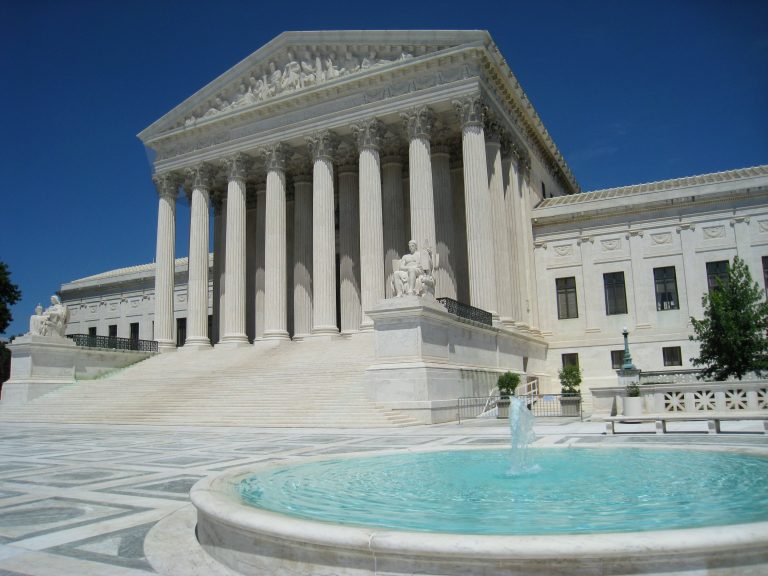
A 20 June decision by the Supreme Court upholding US Patent and Trademark Office (USPTO) rules for inter partes review of patents isn't helpful to patent owners, according to several attorneys. The ruling in Cuozzo Speed Technologies, LLC v. Lee (No. 15-446) disappointed expectations for another pro-patent holder decision following a 13 June ruling in another case, said Proskauer patent lawyer Baldassare Vinti. USPTO Director Michelle Lee, however, said the decision would allow the office to continue resolving patentability disputes via less expensive alternatives to litigation.