Category Regional Policy

Kenya Works With Communities On Genetic Resources And Traditional Knowledge Protection
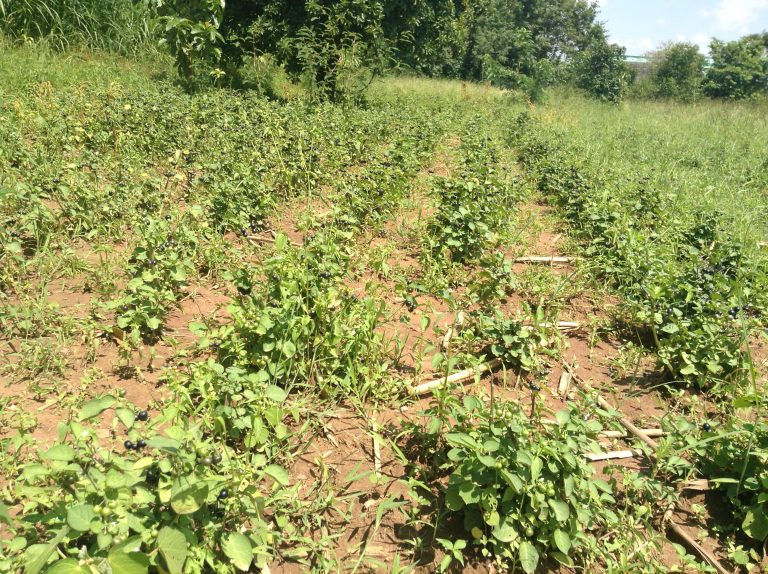
NAIROBI, Kenya -- Excessive degradation and over-exploitation of plant biodiversity in Kenya has led to depletion of some species and narrowed their genetic base. Apart from the conservation challenge, utilisation and sharing of benefits from plant genetic resources and traditional and associated knowledge among communities has also remained opaque despite constitutional guarantees.

European Parliament Demands Transparency In Expert Groups, Protection For Whistleblowers

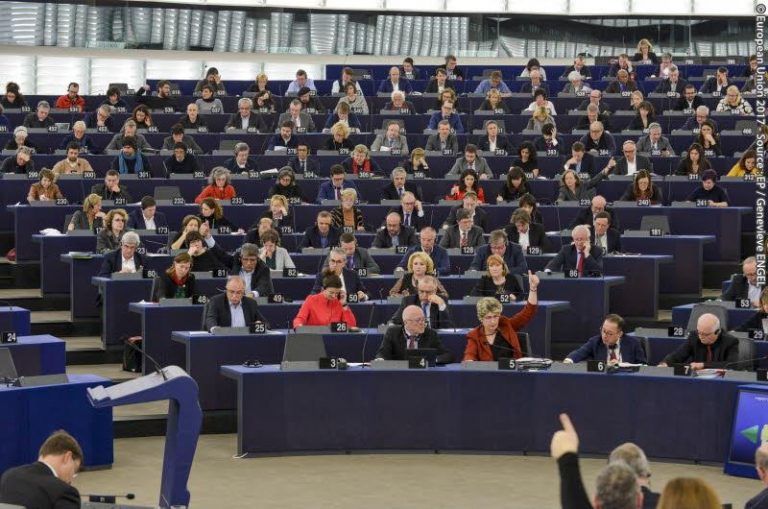
The European Commission is reforming the way it populates its "expert groups" which has been criticized as unbalanced and non-transparent for years. But the European Parliament is not satisfied. In a report on its own initiative passed in Strasbourg today practically unanimously (663 in favour, 16 against, 13 abstentions), the Parliament requested the Commission make public how it decides the composition of expert groups and explain which interest groups are to be represented and how geographical and political interests will be balanced.

Hepatitis C Patent Challenges In India, Argentina To Allow Generic Production

Resistance to high prices for hepatitis C drugs is ongoing as five new challenges against patents have been filed in India and Argentina, according to sources. Those challenges aim at allowing the production and distribution of affordable generic versions of new hepatitis C medicines (direct-acting antivirals).

Fashion Law – New US/EU Legislation And Retailers: Customer Data And Trademarks

NEW YORK -- The fourth annual Fashion Law Seminar, organised by the Federal Bar Association Intellectual Property Section, presented on new legislation in the United States and European Union, and its potential impact on domestic and transnational retailers.

New Policies On Technology Transfer In China: Granting More Autonomy To Universities

According to a recent circular released by the Chinese ministries of education, and science and technology, universities established by the state have autonomy in technology transfer (see the original news here). Unless the scientific and technological achievements concern national security, national interests, and major public interests, it is unnecessary to report to the ministry of finance or management department. All income gained from the technology transfer belongs to the universities.

Patentability Of Some Biotech Uncertain In Europe As Examination, Opposition Suspended

The patentability of plants or animals that have been obtained by natural occurrence such as selection and crossing has been a recurrent issue discussed at the European Patent Office (EPO). A recent notice from the European Commission challenged a ruling by the EPO Enlarged Board of Appeal on such patents, prompting yet more discussions in the organisation. In the meantime, all examination and opposition on such patents have been halted at the EPO. Industry is concerned that the EPO ruling might be questioned, and warns of effects on innovation, harm to applicants. Civil society is concerned about a non-transparent process.

US Chamber International IP Index: US, Europe At Top; India Needs A Push

The United States Chamber of Commerce today released its fifth annual International IP Index, which makes the case for the positive impact of intellectual property on economies. The United States scored highest, followed by top European economies and Japan. And near the bottom was India, despite recent efforts to accept the IP system. Separately, the report assesses international trade rules for IP and argues for nations to negotiate "TRIPS-plus" agreements.

The New Caribbean Patent Convention And Caricom Stasis

Abiola Inniss writes: The creation of the Caribbean Patent Convention under the auspices of Caricom is a long awaited and most welcome development towards the harmonization of intellectual property laws in the region. Even more importantly, it is an indication that Caricom leadership has at long last, after a lengthy period of stagnation and indeterminacy, finally decided to engage the process of thought and action necessary for the promulgation of a legal and regulatory framework for Caribbean intellectual property. The convention is expected to be enacted later in 2017.