Category Regional Policy

Intermediaries Could Be Made Liable In EU Copyright Legislation
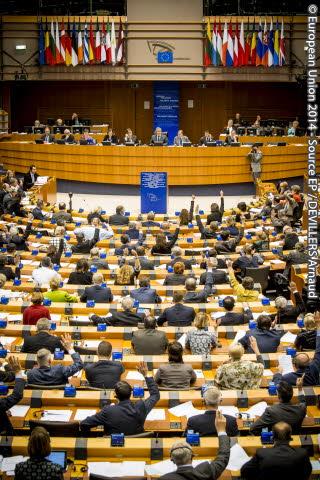
Positions on the new draft European Union Copyright Directive lie so far apart in the European Parliament that compromise before an expected October vote seems nearly impossible. Critics of a new special copyright for press publishers - and of a radical change towards holding internet intermediaries liable for what their users upload - were highly alarmed by this week’s developments in Brussels.

WIPO’s Gurry: Artificial Intelligence, Gene Editing Latest ‘Winners’ In Innovation

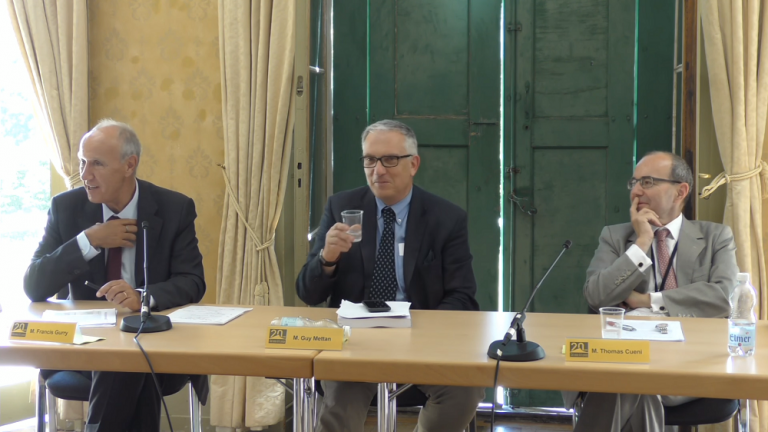
The main winners of innovation are technologies that enable market application, with gene editing and artificial intelligence as two examples, Francis Gurry, director general of the World Intellectual Property Organization, told a panel discussion last week. Thomas Cueni, director general of the International Federation of Pharmaceutical Manufacturers & Associations (IFPMA), said at the same event that everybody benefits from innovation.

Course Packs For Education Ruled Legal In India: Triumph For Access To Educational Materials

On 9 May 2017, a five year court battle between publishers and universities finally came to an end when the Supreme Court of India dismissed an appeal by the Indian Reprographic Rights Organization (IRRO) challenging an earlier judgment of Delhi High Court that ruled course packs in India legal for educational purposes.

In a case that gained wide international attention, issues such as the cost of textbooks in India were raised, students agitated for fair access to educational materials, and the jurisprudence on copyright in India has taken a leap forward. In this guest blog, Anubha Sinha, Programme Officer on Openness and Access to Knowledge at the Centre for Internet and Society India, discusses the judgment in the case known as the ‘Delhi University photocopy’ case, and what it means for access to educational materials in India.

Lessons From South Africa: Protecting Non-Expressive Uses In Copyright Reform

Matthew Sag and Sean Flynn write: This week, the South African Parliament began accepting comments on its pending Bill proposing to amend the South African Copyright Act to align it with the digital age. We and other experts and civil society organizations submitted comments praising many of the Bill’s provisions and proposing that it adopt an “open” fair use right. Here we focus on one major reason to adopt an open fair use right – to authorize so-called non-expressive uses of works. We conclude with some reflections on how international law could help in this regard.

EU Parliament Adopts Marrakesh Treaty; Blind Union Prepared To Fight Publisher ‘Compensation’

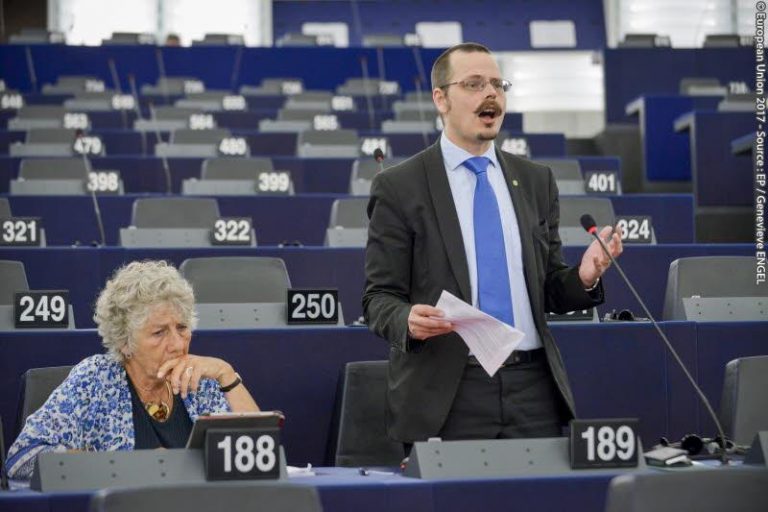
The European Parliament today with over 600 votes adopted the legal instruments to ratify the Marrakesh Treaty on access to reading material for the visually impaired. The treaty, adopted by the members of the World Intellectual Property Organization in 2013 and effective since last year, has been subject of controversies due to lobbying from publishers in the European Union, members of Parliament said today in Strasbourg before the vote. EU member states after today’s vote have one year to implement.

Council Of Europe Report On Copyright Exceptions And Limitations

The intergovernmental Council of Europe, based in Strasbourg, France, has published a freely available report on exceptions and limitations to copyright. The report comes as a contribution to the ongoing process of reforming European copyright rules.

IP Law Europe Summit: Future Of Legal Profession In The Digital Age, Unified Patent Court

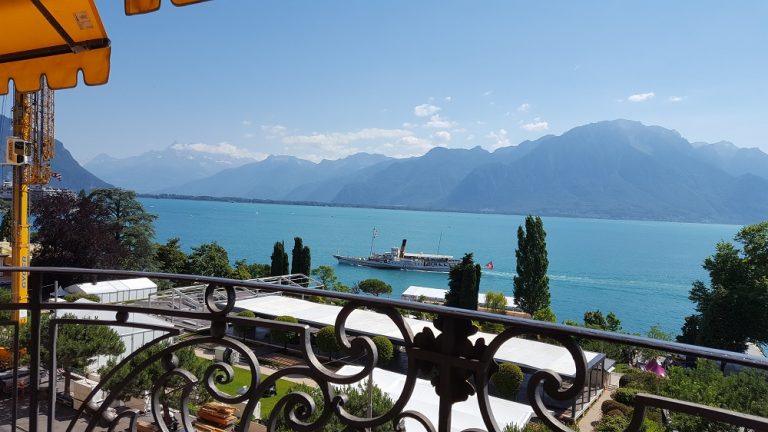
MONTREUX -- The legal profession is experiencing a “radical change” due to technology, a globally known author told the recent European IP Law Summit in Montreux, Switzerland. Technology has become “affordable” and professions “unaffordable” in a technology-based internet society, he said. Separately, a Belgian appeals court judge laid out details on the Unified Patent Court of Europe.