Category Regional Policy

USPTO’s Revised Patent Fee Schedule Raises Price Of IPR Process

The United States Patent and Trademark Office (USPTO) today issued changes to some patent fees, including increases in certain areas, including the cost of using the inter partes review process. Following feedback from users, the office went with some proposed increases, while keeping others at existing levels despite proposals to increase them, it said.

US Congress Members Signal Move To Block Allergan Patent Deal With Tribe

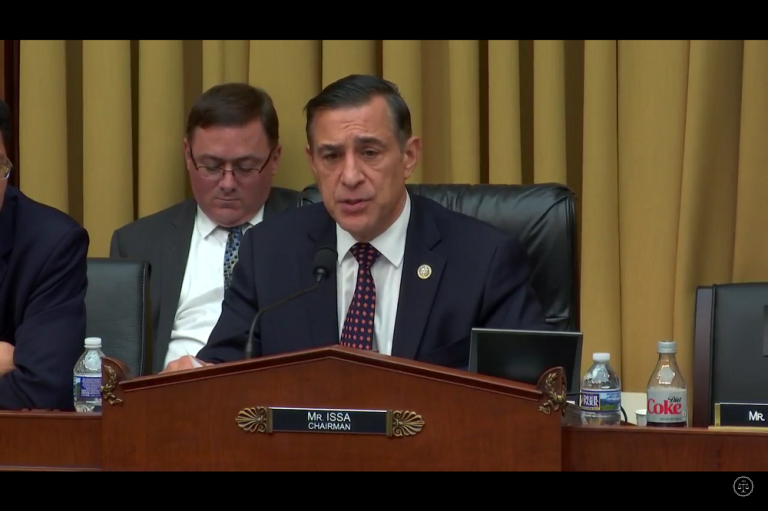
Members of a US congressional subcommittee on intellectual property held a hearing last week that appeared aimed at finding ways to stop companies from “renting” the sovereignty of Native American tribes in order to avoid a process that can lead to the invalidation of patents. Elected officials called a deal between Allergan pharmaceutical company and a northeastern tribe a “sham” and a “mockery”, and signalled the start of the legislative procedure to prevent such deals.

Next Global Congress On IP And The Public Interest

American University Washington College of Law (AUWCL) Program on Information Justice and Intellectual Property has announced the hosting of Fifth Global Congress on Intellectual Property and the Public Interest, from 27-29 September 2018. And it is now actively seeking sponsors, partners and expressions of interest.

Custom Built Software And The IP Law – What You Need To Know

The practice of building custom software is alive and well despite the emergence of tons of ready to use offline and online business apps. Businesses build custom software for various reasons. Some are unsatisfied by solutions available on the market, others need very specific features or overall functionality, security and privacy concerns are another major driver of tailored software development. The process of building custom software involves five basic stages, if you stick to traditional software development workflow, or an indefinite number of iterations under agile development method. Both approaches, however, include various scenarios in which intellectual property rights are involved, writes Jorge Sagastume.

Hepatitis C Buyers’ Clubs Grow Worldwide As A Way To Obtain Affordable Treatment

Hidden amongst the thousands of Facebook pages given over to holiday snaps and gossip are groups of patients who have hepatitis C, a disease that affects more than 70 million worldwide and kills around 400,000 people a year. But importantly, these groups of patients from Russia to Australia have got together to help each other import a relatively new class of drug that is able to cure most of the patients who take it.

Uganda Parliament Passes Bill To Promote Use Of Genetically Modified Materials, Biotech

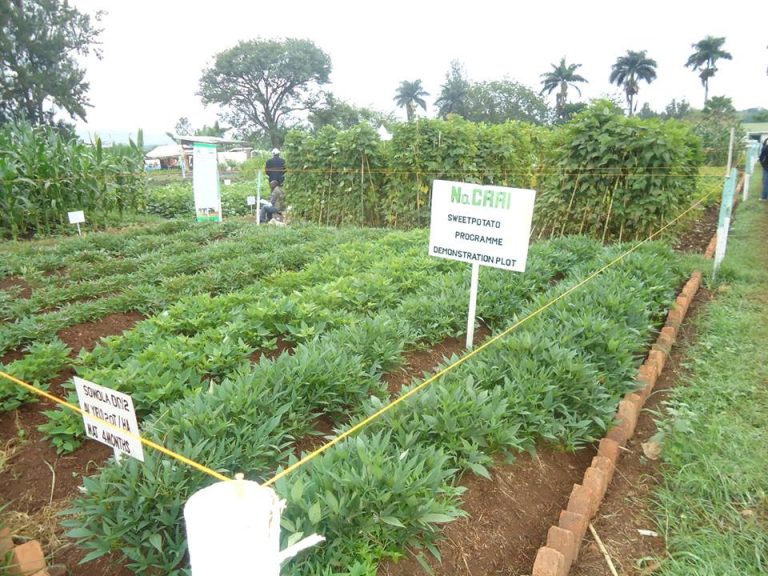
KAMPALA, Uganda -- Several genetically modified crops that are more resilient to drought, flooding, saline or acid soils and temperature extremes resulting from climate change are already being researched in Uganda and are in advanced stages. The enactment of an enabling law, the Uganda National Biosafety Bill 2017, is intended to enhance the development of modern biotechnology.

The User Rights Database: Measuring The Impact Of Copyright Balance

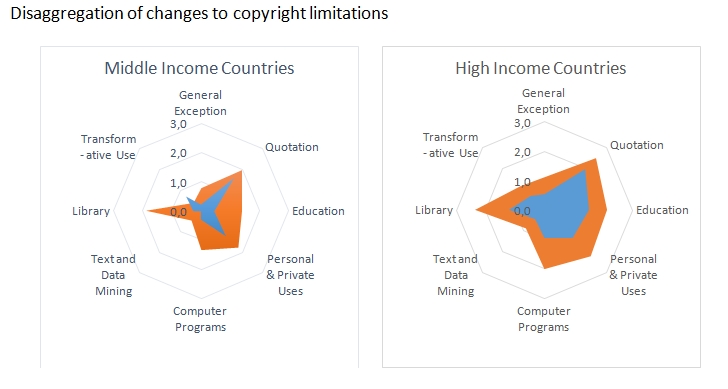
PIJIP’s Copyright User Rights Database tracks changes to copyright user rights (aka limitations and exceptions) over time in a sample of 21 countries of different development levels. The data assesses the degree to which other countries have adopted exceptions that are as open as the US fair use right – i.e. open to a use of any kind of work, by any kind of user and for any purpose. The instrument and results are available at infojustice.org/survey.

New Worldwide Compilation Of GIs Launched: Helping To Bridge Two Approaches?

The Organization for an International Geographical Indications Network (oriGIn) launched a worldwide compilation of geographical indications today at the World Intellectual Property Organization. The compilation, which lists over 7,000 geographical indications, beyond providing a technical tool, is also presented as a tool of reconciliation.

A Look Back: Challenges Of Open Access In 2017 (An Industry Perspective)

Suzanne Kavanagh writes: Over the course of the year, three issues repeatedly reared their heads as barriers to the successful implementation of Open Access: the burden of expected author OA expertise; the underutilization of metadata in the publication lifecycle, and the challenges posed to authors and institutions by one-off solutions. As the tenth Open Access Week draws to a close, with its focus on the concrete benefits of making scholarly research openly available, where have we gotten to in solving these problems and realizing the potential of OA?

Reaping The Benefits Of Artificial Intelligence

Your brand is everything in the global marketplace. It is no exaggeration to say that a business now lives and dies by both its offline, online and social reputation. Because of this, searching a trademark is more vital than ever before. It is important for trademark professionals to work faster and more effectively in searching, clearing and registering strong marks to ensure clients have a competitive advantage. To do so requires the merging of the old and new: the specific knowledge that only highly experienced trademark experts can provide, with the advantages of the latest wave of artificial intelligence (AI) technology, writes Ronda Majure.