Interview With David Lammy, UK Minister of Intellectual Property
 In a short videocast, Lammy offers his views on global public policy, patent backlogs, patent pools and the role of WIPO.

Original news and analysis on international IP policy
In a short videocast, Lammy offers his views on global public policy, patent backlogs, patent pools and the role of WIPO.
COPENHAGEN – Windupbird Publishing owned by Swedish author Fredrik Colting, alias John David California, promises that its books will “tickle your feet and yank your soul.” But American author J.D. Salinger is not amused and has indeed been wound up by Colting's latest book, which he says is infringing on the copyright of his best-seller, "Catcher in the Rye." A New York court recently sided with Salinger, but Intellectual Property Watch talked to Colting about why the battle is bound to go on.
Leaders of the seven biggest economies and Russia (G8) at their annual summit this week in L'Aquila, Italy have made very cautious commitments with regard to the top issue, climate change, but views on intellectual property rights enforcement began to become clear on the second day. The summit so far has addressed issues related to trade, development, terrorism, and also innovation and IP.
Statements in the leaders' Wednesday declaration with regard to intellectual property called for a firm push for the Anti-Counterfeiting Trade Agreement (ACTA), which is unchanged from the past. But the G8 IP Expert Group (IPEG) on Thursday published the results of its discussion in which they went into more detail on some issues.
The World Customs Organization at its annual assembly in late June replaced a controversial group on counterfeiting and piracy with a softer dialogue mechanism that may defuse earlier concerns of potential overreaching on intellectual property infringement by customs officials. But it added a new mandate on health to a separate committee on enforcement that could raise new concerns.
Pharmaceutical companies are manipulating the intellectual property rights system and are “actively trying to delay the entry of generic medicines onto their markets,” a top EU official said of an EU inquiry into the pharmaceutical sector released Wednesday. As a result, there has been a decline in the number of innovative medicines getting to the market, it says.
NAIROBI - Three HIV/AIDS patients in Kenya announced Tuesday they will petition the country's Constitutional Court to declare a new anti-counterfeiting act illegal because it could deny them access to generic medicines. The move, which has the support of public health groups across the country, seeks to have the 2008 Anti-Counterfeiting Act made unconstitutional on the grounds that it could rob them of their right to life.
A recent United States Supreme Court order letting stand a decision that a proposed remote digital video recorder does not violate copyright law has major implications for internet “cloud computing” and advertisers, intellectual property lawyers say.
NAIROBI - Drug companies routinely violate World Health Organization ethical guidelines when advertising and promoting their products in East Africa, according to a new study released Thursday.
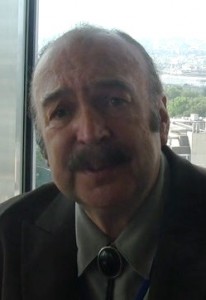 Indigenous people and governments like the United States' may be able to help each other, especially when it comes to protecting traditional knowledge while also using it combat global crises like climate change, says Terry Williams of the Tulalip Tribes. But additional protection for traditional knowledge is needed.
NAIROBI - An influential manufacturers' lobbying group in Kenya is pushing the government to start enforcing an anti-counterfeiting law within weeks, despite fears from public health advocates that the new rules will impede access to generic drugs and set an unwanted precedent in East Africa.