Category Regional Policy

US Generic-Named Food Industries Cry For US Government Help Against ‘Relentlessly Aggressive’ EU

Something that was unimaginable just a few years ago: What if Americans could not buy ordinary bologna, feta or parmesan cheese? Or worse, make them and export them under those names? The industry group in the United States representing a range of products like those today called on the US government to help them defend their products and their jobs against what they called "purposeful," "relentless" and "aggressive" efforts by Europe to promote adoption of geographical indications (products named for places and with particular characteristics) to the detriment of the US common-named goods.
What We Know – And What We Don’t – About Counterfeit Goods And Small Parcels

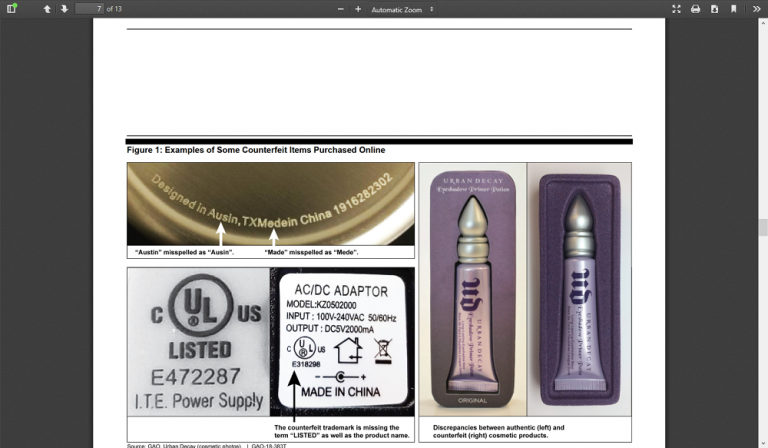
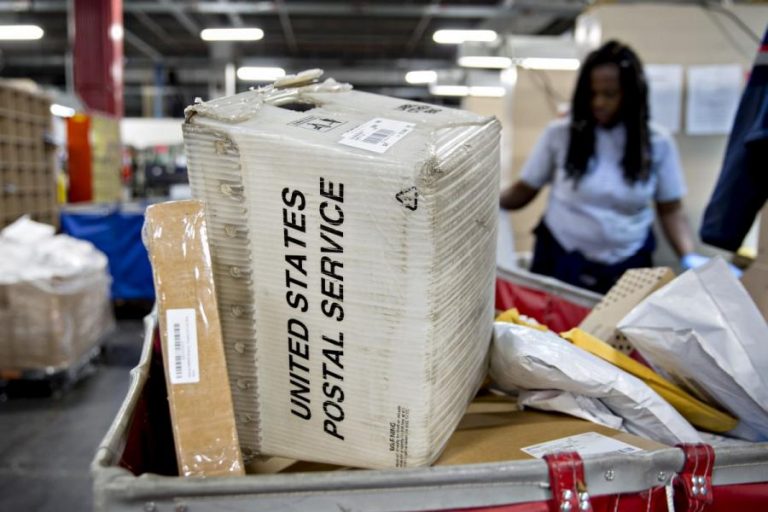
Kasie Brill writes: Cross-border e-commerce is growing exponentially. Consumers can purchase products from all over the world and have them delivered straight to their doors with just the click of a button. In fact, the U.S. Postal Service’s (USPS) international small parcel business increased 232% from 2013 to 2017, when it received nearly half a billion packages.

Out of those half a billion packages, USPS only had critical safety information on 36% of them. In other words, millions of packages reached American consumers with little or no security screening at all. Though most of these packages contained exactly what the customer ordered, counterfeiters have discovered that small parcels are an easy means to distribute fake and often dangerous goods.

Fair Use/Fair Dealing Week 2018 Highlights Balance In The Copyright System

The fifth annual Fair Use/Fair Dealing Week took place February 26–March 2, 2018, growing to 153 participating organizations—as well as numerous individuals—celebrating the important and flexible doctrines of fair use and fair dealing worldwide. This year’s event was organized by the Association of Research Libraries (ARL) and participants included universities, libraries, library associations, and many other organizations, such as Authors Alliance, the Center for Democracy & Technology, the Electronic Frontier Foundation, the R Street Institute, and Re:Create. Sixty ARL member institutions contributed a wide range of resources this year. Fair Use/Fair Dealing Week was observed around the globe by participants in such countries as Australia, Canada, Colombia, Greece, and the United States.

UN Rapporteur For Privacy Rebuffed On Surveillance Oversight Negotiations

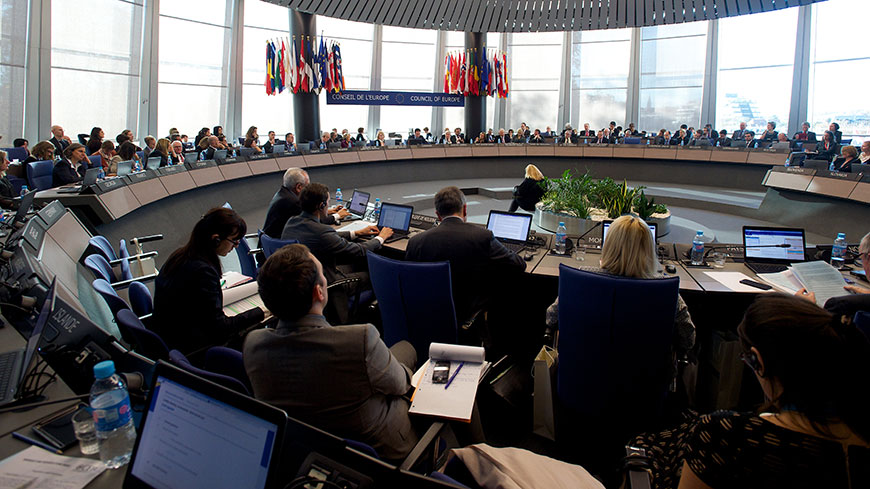
The United States, China and the European Union were unanimous yesterday in their rejection of international consultations for a possible legal instrument on government-led surveillance and privacy. During the 19th meeting of the 37th session of the UN Human Rights Council in Geneva, they called a possible legal instrument against uncontrolled cross-border surveillance proposed by the UN Special Rapporteur on Privacy, Joseph Cannataci, “unnecessary.” But Cannataci responded that the problems cannot be ignored.

EPO Reports Record Volume Of Patents, Seeks To Assure Quality

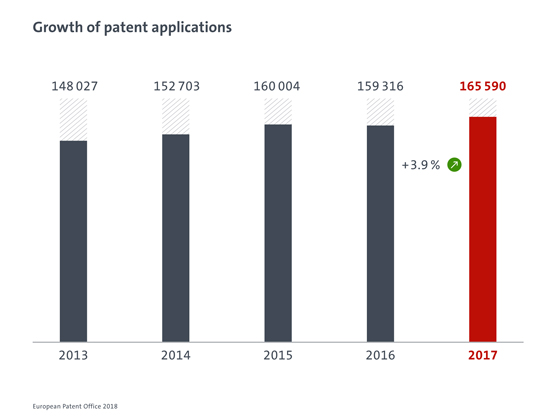
The European Patent Office today issued statistics which it claimed show the continued ascendance of Europe as a premier destination for patenting, not only from European countries. The statistics focus strongly on the increased volume of patents filed and granted, which it argued is a result of the office's focus on "efficiency and quality" and a boost to innovation.

Early Certainty Initiative Of The European Patent Office – Flexibility For Biotech Needed

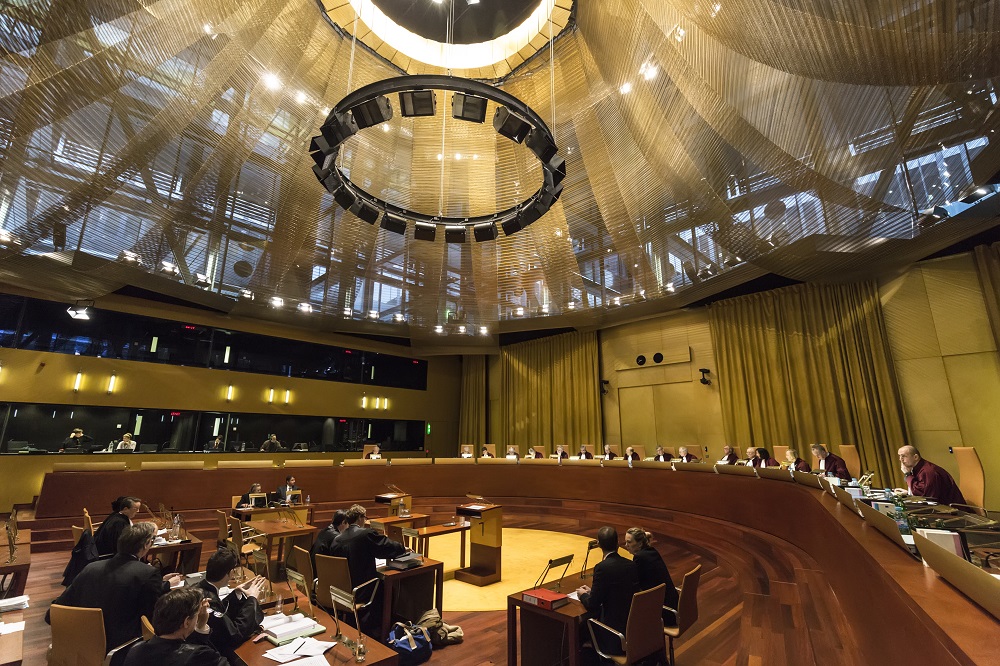
In 2016, the European Patent Office (EPO) introduced a streamlined opposition procedure that should simplify opposition proceedings and deliver decisions faster, while giving parties more time to react to summons and prepare for oral proceedings. This new initiative, called early certainty, aimed to cut down the overall duration of granting new patents and to tackle the backlog in patent granting within the EPO, writes Michael Kahnert.