Category North America

Stan Lee: Writer, Creator, And Marketer Of Intellectual Property

Dave Davis writes: As the many and well-deserved accolades for Stan Lee pour in on the occasion of his death after a career in content creation —mostly in writing— that spanned six decades, I thought now might be a suitable moment to add an additional perspective. I’m focusing on his success as someone who brought his creative expression to market, to the enjoyment of what eventually became an audience of millions. Stan Lee was many things, and among them, he was an outstandingly successful entrepreneur of intellectual property.
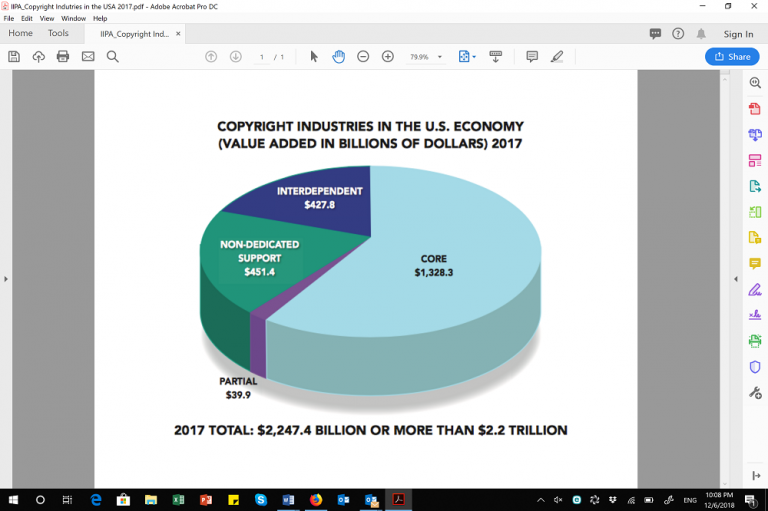
Report: Core Copyright Industries Add $1.3 Trillion To US Economy

Core copyright industries have contributed more than $1.3 trillion to US gross domestic product (GDP) in 2017, and accounted for 6.85% of the US economy. They employed nearly 5.7 million workers in 2017, accounting for 3.85% of the entire US workforce, or 4.54% of total private employment in the United States, according to the International Intellectual Property Alliance (IIPA)'s “Copyright Industries in the U.S. Economy: The 2018 Report.”

US IP Stakeholders Seek To Strengthen Public Support For IP, Ensure Future US Competitiveness

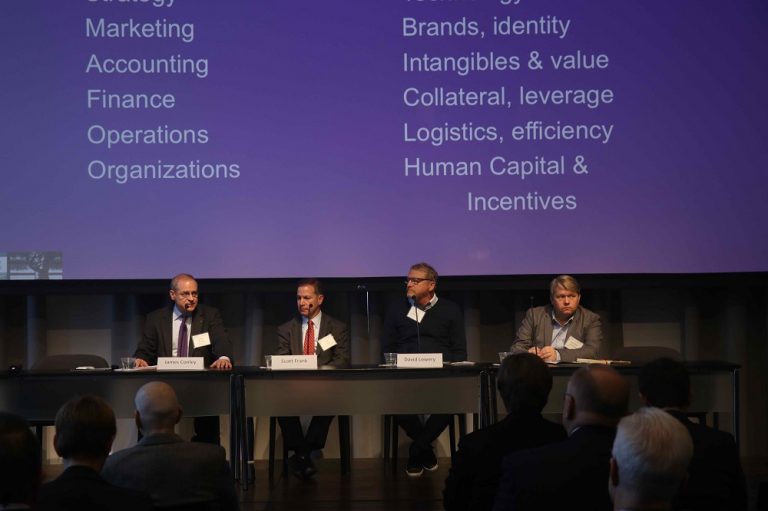
NEW YORK -- United States intellectual property stakeholders from academic, business and legal backgrounds gathered recently to discuss how to increase public support to strengthen the intellectual property rights system in the US, in light of China’s steady rise in numbers of patent and trademark filings. US IP stakeholders argued that developing public awareness and understanding of IP is key to building this support, with some holding diverging views on how to go about this.

Study Finds Arthritis Drug Enbrel Overpatented, Overpriced in US

Initiative for Medicines, Access & Knowledge (I-MAK) released a new study yesterday showing that the rheumatoid arthritis drug Enbrel has been overpatented by drugmaker Amgen, which has filed a total of 57 patents on the drug in the United States. Together, these patents were said to delay market competition by 39 years, rather than the standard 20 years for one patent. The study found that this market exclusivity for Enbrel resulted in US$ 8 billion dollars in sales in 2017 alone.

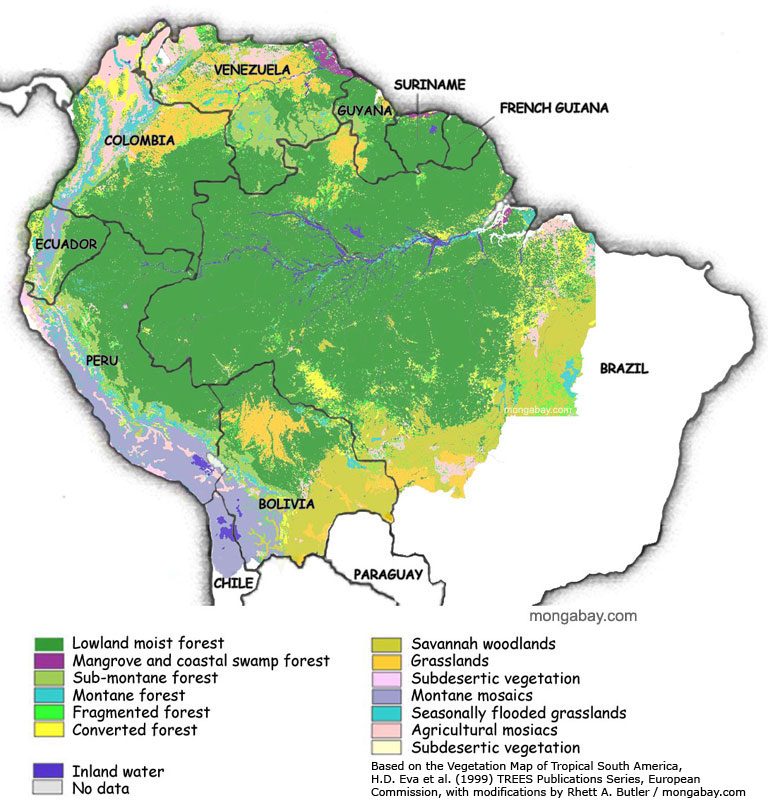
Fight Over .Amazon: ACTO Countries Cancel Meeting With ICANN CEO

The fight over delegating the .amazon top-level domain to Amazon LLC is not over. But the effort of the Internet Corporation for Assigned Names and Numbers (ICANN) to cut a deal between the regional Amazon Cooperation Treaty Organisation (ACTO) and online retailer Amazon has failed, according to ICANN CEO Göran Marby. [updated]

Do Patent Trolls Exist? Two Studies Reach Different Conclusions (Part 1)

They are called many things. Patent Assertion Entities (PAEs), Non-Practicing Entities (NPEs), Patent Trolls, and on occasion, names not suitable in polite company. They often are accused of harming innovation and the economy, while providing nothing useful in return. They, less often, are said to promote innovation, in part by helping small inventors monetize their discoveries. Two recent academic studies attempt to shed light on this dispute, but their findings seem contradictory – at least at first.

Open Music Initiative: Seeking To Drive The Beat On Global Standards, Rights Attribution

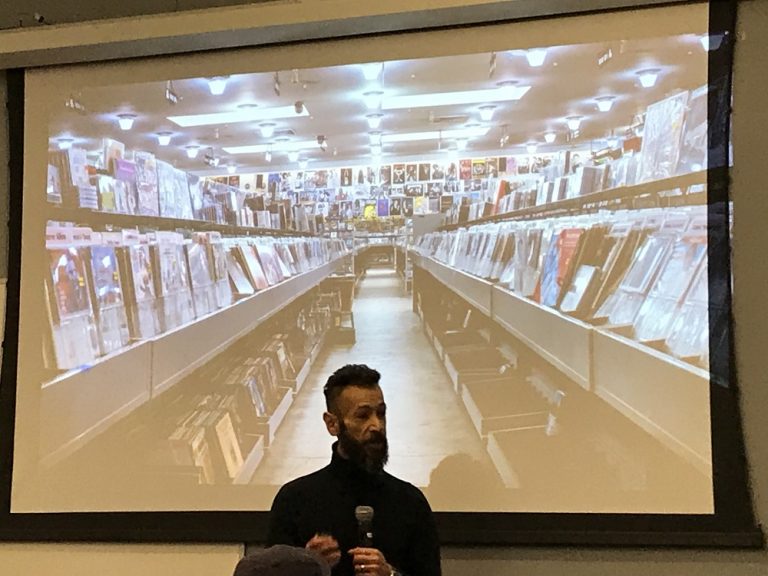
NEW YORK – The Open Music Initiative provides a forum for collaboration across academic, tech and music industry stakeholders around the world, and is working to develop the global standards for music rights attribution that could stand for the next 100 years. Establishing such standards will enable fair compensation to rights holders and creators, and establish a basis for ongoing innovation in the music industry, leading to new digital platforms and services, and new music, according to Open Music members.

Experts Assess Coming Changes In US Courts And Patentability

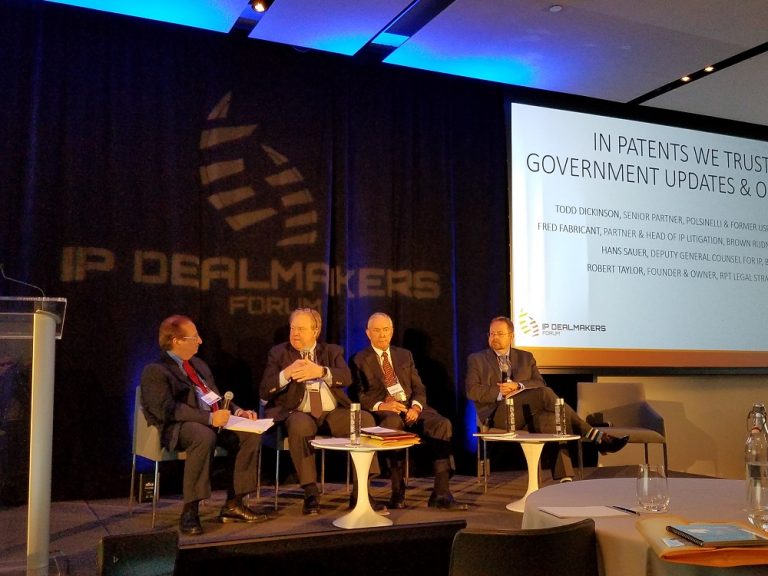
NEW YORK -- A panel of legal and government experts this week discussed trends in courts in the United States on patent cases and changes underway at the US Patent and Trademark Office. One conclusion? There may be a real shift in what is seen as patentable in the US, but it may take an act of Congress. [Note: part 1 of 2. The second part will address this week's changes in the US Congress.]