Category Europe

Adopting An Open Innovation Perspective For Patent Policy For The Internet Of Things

The Internet of Things is a prototypical technology space, where small and medium sized enterprises (SMEs), universities and their spin-outs as well as big corporations alike could constitute a fruitful innovation ecosystem. All these players could thrive in the spirit of Open Innovation, so to collectively re-invent the future of the internet and patents could take the role of promoting tech transfer, knowledge exchange and spur secondary markets for intellectual property.
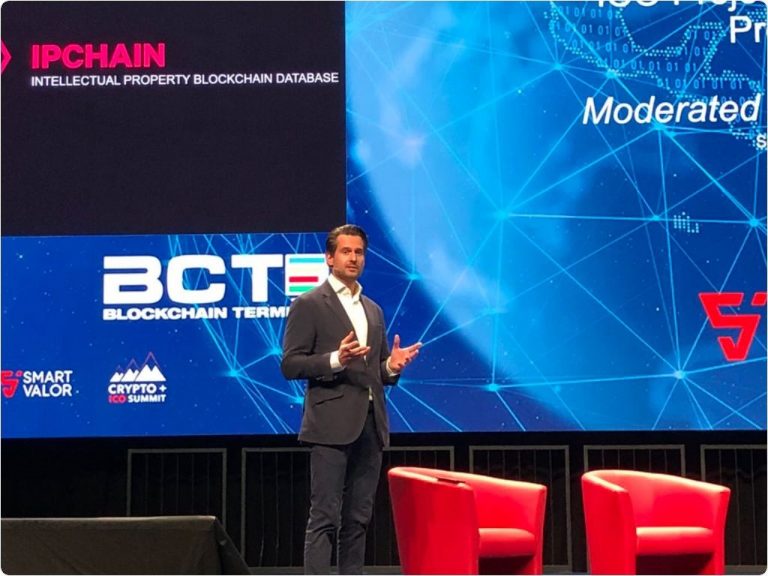
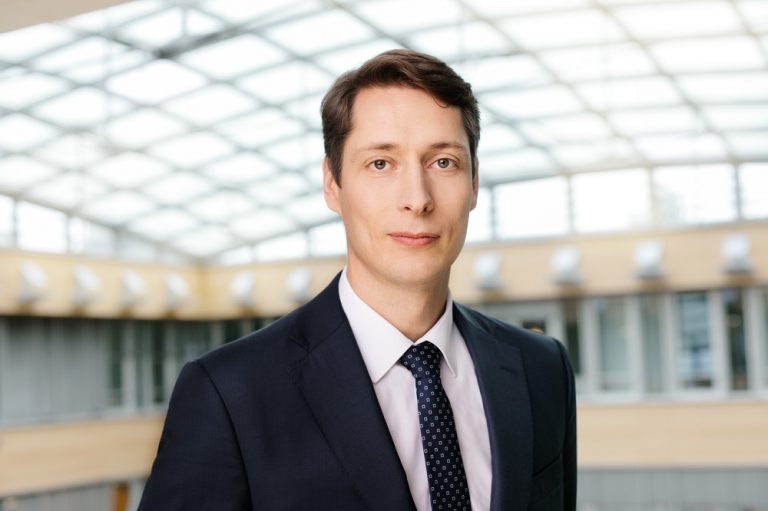
Interview With Dominik Thor, Founder Of IPCHAIN Database

Distributed ledger technology, commonly called a Blockchain, has recently become a highly popular term in many different industries for its cost-saving and operational risk reducing potential. In this interview with Intellectual Property Watch, Dominik Thor, the founder of IPCHAIN Database, a startup that focuses on IP protection through the use of Blockchain, explains about the ways this new technology can revolutionise the IP sector.

Dozens Of NGOs Oppose Proposed EU Watch List On IP Rights

A wide-ranging list of international nongovernmental organisations today issued a letter to European Trade Commissioner Cecilia Malmström opposing a proposal to establish a "watch list" of countries deemed failing to protect European intellectual property. The groups raised concern that the list would violate World Trade Organization rules on intellectual property, have a chilling effect on developing countries' public health initiatives, and lead to expanded and untenable levels of IP enforcement.

At Geneva Health Forum: Importance Of High Quality Of Health Systems, Beyond Access

Achieving a high percentage of universal health coverage often does not translate into a high quality of health systems, according to speakers at the opening of the Geneva Health Forum. While in developed countries people are demanding better quality, the expectations of people living in low and middle-income countries need to be raised, they said. Another panel looked at the use of big data and mathematical modelling as ways to improve health systems, including Facebook monitoring.

Springtime Moves In The IP Community

The beginning of the year saw a particularly high number of changes at law firms and in the United States government. Also the World Trade Organization named a list of new chairpersons for its committees, the World Economic Forum named the head of its new cybersecurity centre, and Swiss pharma company Roche has a new head of research and development.

Better Cyber Security Problematic, Says US Financial Industry: Power Struggle Over Encryption

A decision to keep third party listeners out of communications on the internet taken by the Internet Engineering Task Force (IETF) at their recent meeting in London elicited an alarmist message from the US financial industry. The premier internet standardisation body would provide “privacy for crooks,” and practically prohibit “bank security guards from patrolling and checking particular rooms” online, BITS, the technology division of the Financial Services Roundtable, argued in a press release last week. Has standardisation gone rogue?

Sir John Sulston, Human Genome Project Leader, Remembered For Words On IP And Health R&D

Nobel Prize winner Sir John Sulston passed away on 6 March at the age of 75, and was widely remembered in the press and scientific circles, celebrating his research, his wisdom, and his leadership of the landmark Human Genome Project. Intellectual Property Watch recalls his visionary warning and advice a decade ago about the intellectual property system, investment, and science that is still valuable today.

Introduction Of A Grace Period In Europe

The protection of inventions is a cornerstone to encourage innovation as engine of economic growth. As one of the world‘s leading centres for innovation, the level of scientific and technological performance in Germany is very high, thanks to an excellent research landscape and a good technological and economic basis. But the global innovation competition is intensifying, and new competitors are seeking to enter international markets. However, Germany is falling short of its potential when it comes to leveraging technology to create new products, writes Michael Kahnert.