New European Commissioners Announced Under Changed Structure
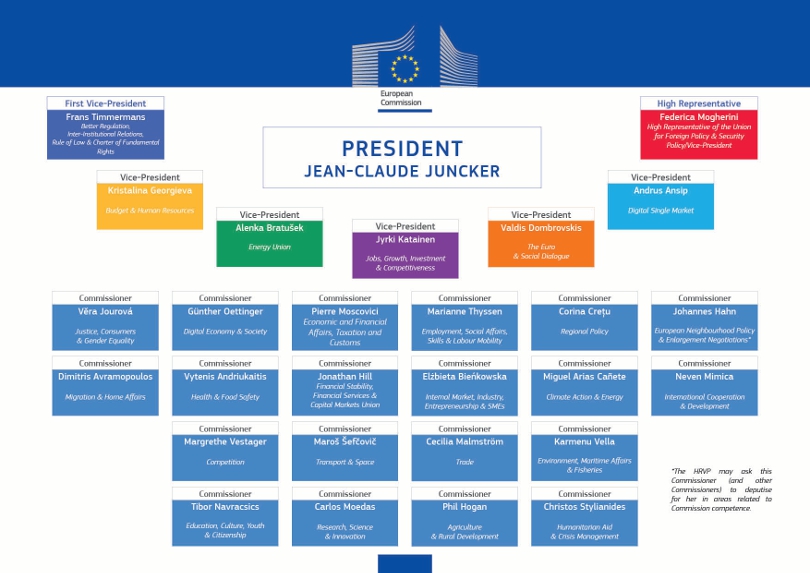
The structure of new European Commissioners and top officials was announced today, showing changes to the handling on intellectual property issues and many others.

Original news and analysis on international IP policy
The structure of new European Commissioners and top officials was announced today, showing changes to the handling on intellectual property issues and many others.
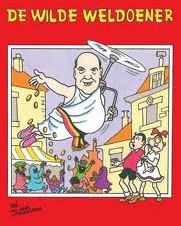
A 3 September European Court of Justice decision on the concept of “parody” is a controversial attempt to harmonise copyright law judicially where legislative efforts have failed, and raises more questions than it answers, intellectual property lawyers said. But the decision won't affect implementation of the United Kingdom's new copyright exception for parody, the UK Intellectual Property Office said.
Applicants to the European “Innovation Communities” initiative have until 10 September to submit joint innovation proposals in the areas of healthy aging and raw materials. The aim is to create new organisations compliant with the European grant programme Horizon 2020, which will operate under flexible intellectual property rights’ policies in collaborative innovation projects.
The European Commission recently launched a public consultation on the protection of geographical indications for non-agricultural products.
A recent paper published by the Max Planck Institute for Innovation and Competition criticises a joint study by the European patent and trademark offices as lacking insight about the economic effects of intellectual property.
Switzerland is considering the “modernisation” of its copyright law to adapt the rights and obligations of various stakeholders to the “realities” of the internet. The country’s generous exception on private use of downloaded material appears to be preserved in the proposed change but internet service providers might feel the pinch.
A new legal analysis looks at the 1 July oral hearing of the European Court of Justice (CJEU) on Spain’s nullity actions against the regulations on the “unitary patent” and its language regime.
Compulsory licences should be issued to roll out generic versions of innovative HCV drugs. Only generic competition can push down the extortionate prices of these lifesaving medicines, while placing equitable access and public interest before monopolistic pharma companies’ business strategies, Daniele Dionisio argues.
A new United Kingdom copyright exception for private copying cleared Parliament on 29 July and will become law in October. The change brought cheers from high-tech and digital rights groups. UK Music, however, said the new regulation will hurt creators and that it is considering legal action.
The Polish Parliament is currently finalising work on a bill designed to make using anti-plagiarism software compulsory for Polish higher education institutions (HEIs). With the new law, universities are to become obliged to check all Bachelor’s, Master’s and Ph.D. theses to detect acts of plagiarism. However, local observers doubt whether the bill will provide Polish HEIs with sufficient means to counter this widespread problem and protect intellectual property.