Category Europe

The TPP’s New Plant-Related Intellectual Property Provisions

The newly-released Trans-Pacific Partnership (TPP) intellectual property (IP) chapter would help seed conglomerates like Monsanto prevent farmers from saving and using seeds that contain patented plant materials, even when such use is for their own personal consumption. The TPP language would also prevent breeders from using plants seeds that contain patented plant materials to research and develop new varieties. Most plant variety protection (PVP) systems allow farmers to save and reuse seeds (for noncommercial purposes) and permit breeders to use protected plant varieties to research and develop new varieties. In contrast, patents on plant-related inventions, as outlined in the TPP, may have few exceptions. This new text constitutes a huge step in the wrong direction, changing the plant IP regimes of many of the negotiating countries to the detriment of their populations, writes Public Citizen.
Preparations Begin For Lisbon Revision At WIPO; Procedural Question Raised

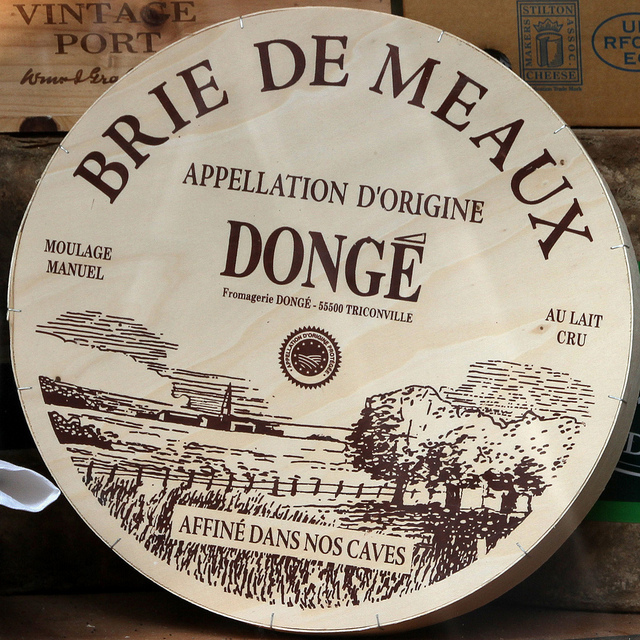
The 28-member Lisbon Agreement for the Protection of Appellations of Origin and their International Registration is en route to being revised to include geographical indications and allow international organisations to join the agreement. But some other member countries of the World Intellectual Property Organization, which oversees the agreement, are raising procedural questions and intend on having a say on the revision. [Update: new proposal now available]

Special Report: Russia Modernises Its Intellectual Property Law

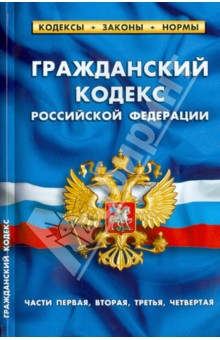
As of 1 October, major amendments of the Civil Code of the Russian Federation (the RF Civil Code) came into force concluding the most recent and extensive legislative revision since Part I of the Code was adopted in 1994. Changes affected substantive and procedural norms including Part IV codifying provisions on intellectual property rights. This report takes stock of some of the introduced novelties.

EU Legislation On Nagoya Protocol Becomes Effective; What Effect On Indigenous Peoples’ Rights?

The entry into force of an international treaty facilitating access to genetic resources and ensuring the fair sharing of potential commercial benefits has prompted the applicability of a European Union regulation relating to the treaty. This led a researcher to call on the treaty members to ensure its implementation protects the rights of indigenous and local communities.

Health Advocates Demand U-Turn In EU Trade Policy To Align With Its Health Objectives

Health Action International Europe, and Oxfam today issued a briefing paper entitled, “Trading Away Access to Medicines: How the European trade agenda continues to undermine access to medicines.” The paper argues that new concerns such as the ebola virus and the threat of unchecked antimicrobial resistance show the need for a new model for financing pharmaceutical research and development.

Lisbon GI Revision A Hot Topic As Members Prepare For Treaty Talks

A proposed amendment to the Lisbon Agreement protecting appellations of origin at the World Intellectual Property Organization is the object of heated discussions between proponents of geographical indications and countries favouring other systems such as trademarks to protect such intellectual property titles. A side event to this week’s WIPO General Assemblies gathered GI proponents to ponder the future of the agreement.

For Experts, Questions Still Abound On IP And Standard-Setting

BRUSSELS – Intellectual property experts at the annual conference of the European Policy for Intellectual Property Association (EPIP) discussed a range of topics including IP rights and standard-setting. The conclusion? Many questions remain unanswered.

Libraries May Be Permitted To Digitise Books Without Copyright Owner’s Consent, EU High Court Rules

European Union governments may allow libraries to digitise books in their collection without rights owners' consent in order to make them available at electronic reading posts, the European Court of Justice (ECJ) said on 11 September. If library users want to print works out on paper or store them on a USB stick, however, rights holders must be fairly compensated.