Category Europe

ILO Decisions Said To Confirm EPO Staff Lack Fair Legal System

The International Labour Organization Administration Tribunal (ILO-AT) on 30 November set aside two European Patent Office (EPO) decisions rejecting employee challenges to various internal rules. The judgments, which sent the complaints back to the EPO on the grounds that they had not been handled by the proper authorities, highlight the lack of a “fair and functioning” legal system for EPO staff, said an employee source who asked to remain anonymous.

Report: IP, Access To Science A Troubled Relationship

A new academic report looks into the relationship between intellectual property and access to science and culture, in the wake of work on the issue by former United Nations Special Rapporteur in the field of cultural rights, Farida Shaheed. Contributors to the report aimed at reflecting on how the intellectual property system can foster economic growth while encouraging non-economic values and objectives of human development.

CERN Staff Association Says There’s A “Loose Screw” At Top Of EPO

The Staff Association of the Geneva-based European Organization for Nuclear Research (CERN) this week issued a strongly worded statement in solidarity with staff at the European Patent Office. They called the EPO essential to Europe and said the EPO president's repressive "19th century"-style anti-worker tactics are endangering the institution and the European economy.

ARIPO Members: Collective Management Organisations Need Better Digital Documentation, Licensing

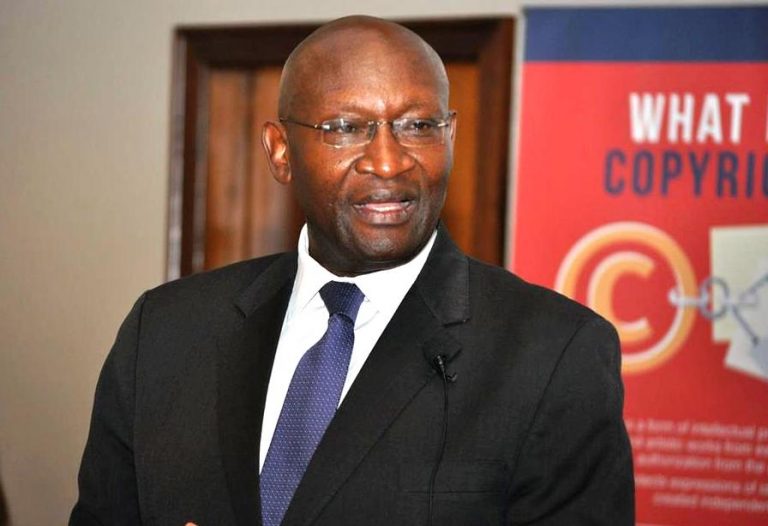
Collective management organisations need to embrace online trading platforms, so as to increase earnings for economies and creators. That was the call made during a recent regional workshop on digital licensing and documentation in Harare, Zimbabwe for music collective management organisations (CMOs) by the member states of the African Regional Intellectual Property Organization (ARIPO).

Online Enforcement Index Aims To Aid Patent Filing Decisions

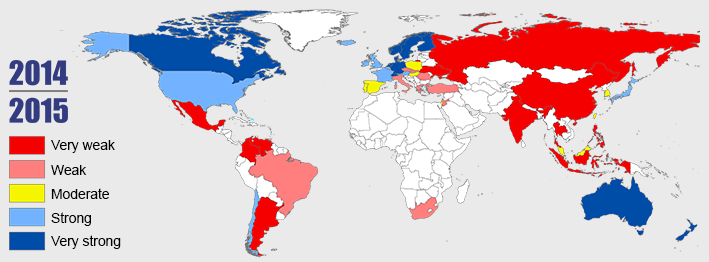
Part of the decision whether to file a patent in a particular country rests on how likely it is the patent can be effectively enforced, but until recently the information needed to answer that question was mostly anecdotal, Nikolaos Papageorgiadis, University of Liverpool Management School (UK) international business lecturer, said at a webinar. To remedy that, he and Cranfield School of Management Economic Policy, Sustainability and Performance Reader Konstantinos Alexiou created the Index Of Patent Systems Strength, which ranks the effectiveness and efficiency of the patent systems of 49 countries.