Category Europe

Case Study – Building Effective IP Coverage Efficiently Within An International Engineering Conglomerate

This article describes how to build up an effective IP coverage for an international industrial conglomerate by defining the basic IP shield construction for all group companies, setting up IP generation programs and developing an IP focus while doing this efficiently by engaging the management into the IP decisions and managing the mix of internal and external IP service resources.

US Lobby Group Fights China’s Inclusion Of Generic Food Names In EU GI Deal

China and the European Union appear to be on track to complete a deal on geographical indications that could include protection of some 100 products each from the EU and China. Comments have been received on the proposed list and are undergoing translation. Among them, a United States lobby group said the list for China to protect unfairly includes several generic food names that should not belong solely to the EU.

Access To Medicines Foundation Details Methodology For 2018 AMR Benchmark

The Amsterdam-based Access to Medicines Foundation today published the methodology it will use for its 2018 framework for evaluating how pharmaceutical companies are taking action to limit antimicrobial resistance, addressing the rising the global problem of overuse of antibiotics leading to resistance with few new ones in the pipeline.

Companies Prefer Trade Secrets To Patents To Protect Innovation, EUIPO Finds

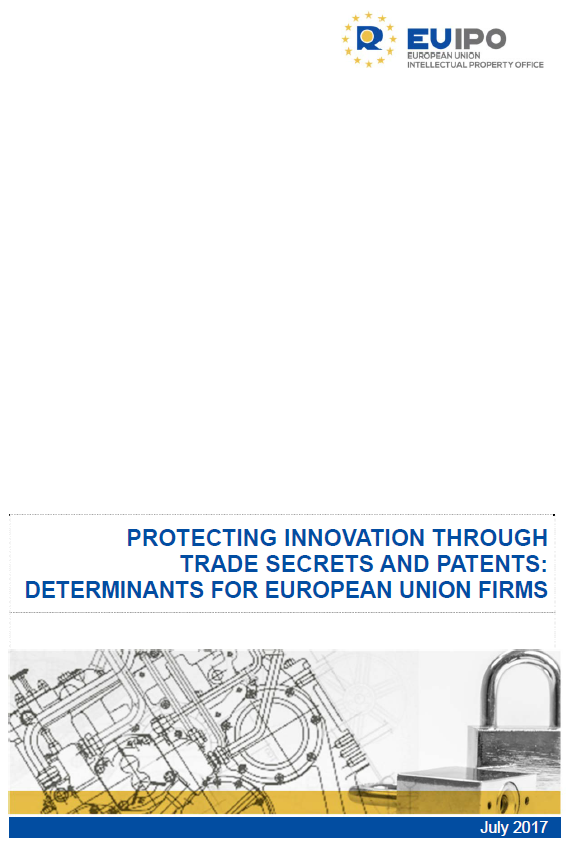
“Despite their economic importance, and in particular their role in protecting returns from innovation, trade secrets are poorly studied and their relationship with patents is often misinterpreted,” the EU Intellectual Property Office (EUIPO) said in a study published this month. It used a survey of around 200,000 companies in Europe's manufacturing and service industries to determine what factors influenced their choice between patents and trade secrets, as well as their overall use of both mechanisms. The results could help policy-makers, the Office said. It also holds out opportunities for innovative lawyers and intellectual property firms, said one IP management consultant.

US, European Views On IP Management And Digital Business

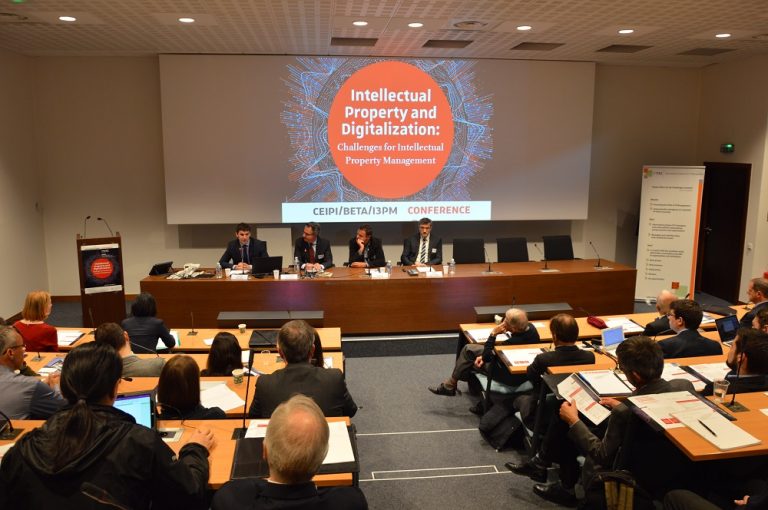
Data-driven technologies are enabling the expansion of trade and data flows around the world. We have disruptive smart products, smart industrial processes, smart clouds and smart services. Traditional industries such as pharmaceuticals, chemical and mechanical engineering digitally transform production processes to generate custom-tailored services and improve competitiveness using artificial intelligence while new companies emerge with disruptive offers. Such artificial intelligence-based business models, however, are bringing about a rethinking in European regulations in relation to copyrights, such as that deployed by DeepMind and Pinterest, for instance, because machine learning may reproduce countless amounts of proprietary content to generate raw solutions. A recent event in Paris delved into these and other issues, including data ownership and access rights, as well as inventions by computers.

To Print Or Not To Print: Innovation And IP Issues In 3D Printing

3D printing used to be an expensive product design tool, but it is quickly becoming an affordable and accessible technology. First emerging in the 1980s, the availability of low-cost, high-performance 3D printers has put the technology firmly within reach of consumers. While this provides a number of opportunities for designers and manufacturers, there is also concern around the impact on IP rights, writes Jia Li.

Intermediaries Could Be Made Liable In EU Copyright Legislation

Positions on the new draft European Union Copyright Directive lie so far apart in the European Parliament that compromise before an expected October vote seems nearly impossible. Critics of a new special copyright for press publishers - and of a radical change towards holding internet intermediaries liable for what their users upload - were highly alarmed by this week’s developments in Brussels.

WIPO’s Gurry: Artificial Intelligence, Gene Editing Latest ‘Winners’ In Innovation

The main winners of innovation are technologies that enable market application, with gene editing and artificial intelligence as two examples, Francis Gurry, director general of the World Intellectual Property Organization, told a panel discussion last week. Thomas Cueni, director general of the International Federation of Pharmaceutical Manufacturers & Associations (IFPMA), said at the same event that everybody benefits from innovation.

EU Parliament Adopts Marrakesh Treaty; Blind Union Prepared To Fight Publisher ‘Compensation’

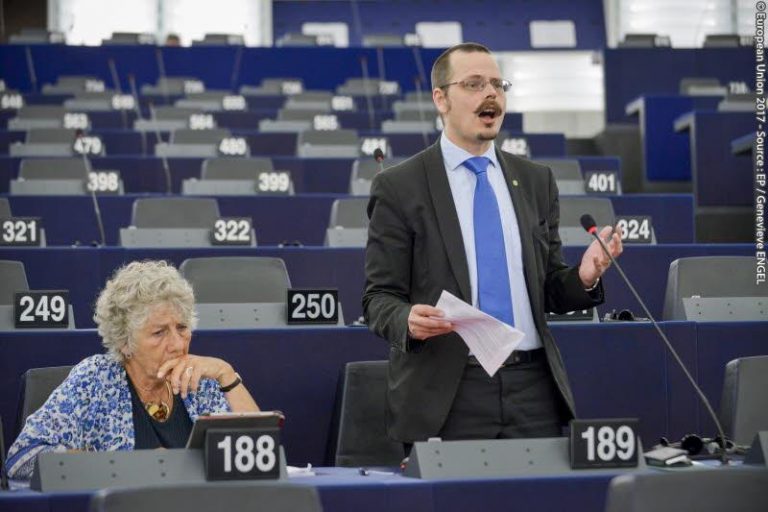
The European Parliament today with over 600 votes adopted the legal instruments to ratify the Marrakesh Treaty on access to reading material for the visually impaired. The treaty, adopted by the members of the World Intellectual Property Organization in 2013 and effective since last year, has been subject of controversies due to lobbying from publishers in the European Union, members of Parliament said today in Strasbourg before the vote. EU member states after today’s vote have one year to implement.