Category Asia/Pacific

Many Hepatitis C Patients Do Not Have Access To Medicines In India, Group Says

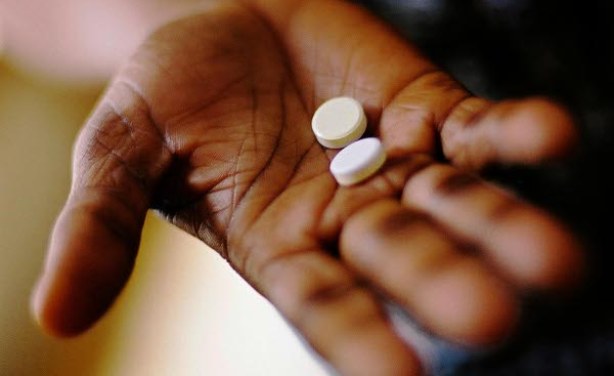
Despite being the global leader of generic drug manufacturing, access to hepatitis C treatment in India remains out of reach for a large portion of the population, a civil society group has said in a new paper. The authors call for India to work on a national programme of prevention and treatment of hepatitis, and warn against voluntary licences developed by multinational pharmaceutical companies.

Infojustice: NGO And Academics Letter To US Secretary Of State On Access To Medicines

From Infojustice.org: Letter from 56 Non-profit Organizations and Academic Experts to Secretary Kerry Regarding State Department Pressure Against Access to Medicines Efforts

Civil Society Calls On India To Backtrack On Policy Threatening Global HIV Response

The International AIDS Society made a statement today at the International AIDS Conference in Durban, South Africa, voicing concerns about India's recent policy which, according to the group, is threatening access to HIV treatment in India and around the world.

US Industry Airs Hopes, Frustrations On IP Rights In India

What do global innovators make of India’s new National Intellectual Property Rights Policy? A recent discussion on “India’s National IPR Strategy: A View from Global Innovators” in Washington DC attempted to assess the opportunities and challenges ahead from the perspective of American companies.

Nearly All Global Physical Counterfeiting Is From China & Hong Kong, US Report Shows

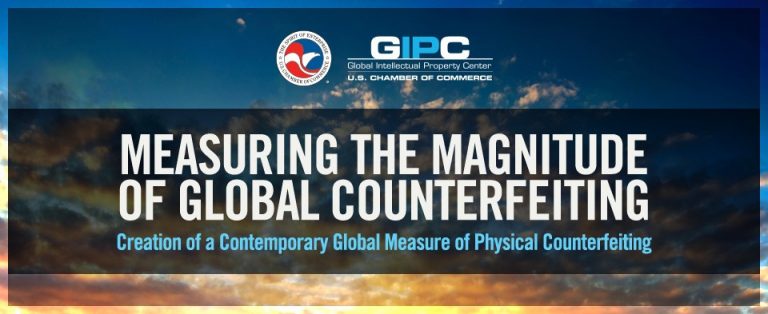
A new analysis released this week by the United States Chamber of Commerce Global Intellectual Property Center (GIPC) shows that some 86 percent of all physical counterfeiting comes from China and Hong Kong. Companies locating manufacturing there may not be surprised to find counterfeit versions of their products on the market, and seizures are a small fraction of the goods getting into the global trade stream, the report says.

USTR Froman: IP-Related Biologics Still Key Sticking Point For TPP Passage In US

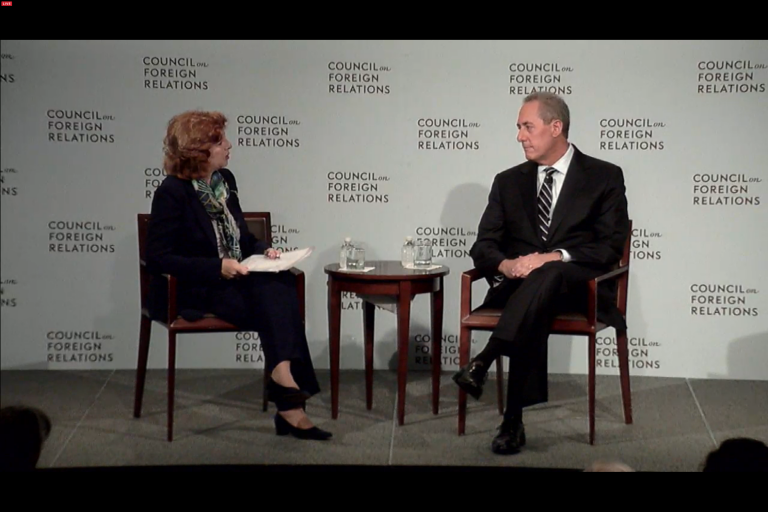
United States Trade Representative Michael Froman today said biologics remain one of the biggest unresolved issues in getting the Trans-Pacific Partnership passed in the US Congress. He called biologics an intellectual property rights issue and said the administration is working with Congress and industry to resolve concerns without reopening the trade deal completed last autumn.

Guilty As Charged? Pakistan And The Special 301 Reports

Owais Hassan Shaikh writes: According to the section of US law on Special 301 reports, a country may be considered a priority foreign country even when it is fully compliant with the WTO Agreement on the Trade-Related Aspects of Intellectual Property Rights (TRIPS), the main multilateral agreement on IP rights today. Hence, this legislation and the determinations made in the Special 301 reports prioritize protection of commercial interests of the US nationals.

Can Patents Ever Be “Ever-Greened”? The Answer…They Are “Never-Greened”

“Ever-Greening of Patents” has been an expression that has been extensively used in debates related to the global pharmaceutical industry at least since the last two decades. Interestingly, this term has never been statutorily defined and hence has been applied most freely by professionals, policy makers and politicians alike. It would be appropriate to objectively examine whether patents in any jurisdiction can ever be “ever-greened”. A fitting initiation to this debate is the very concept of what a patent is from the very first principles, writes Prabuddha Ganguli.

USITC Finds TPP Benefits US Economy, But Maybe Not Jobs; Unclear On IP Rights

The United States International Trade Commission (ITC), an independent government agency, today released an 800-page analysis of the economic impact of the Trans-Pacific Partnership (TPP) Agreement completed last year.

India Releases New Intellectual Property Policy; Reactions Building

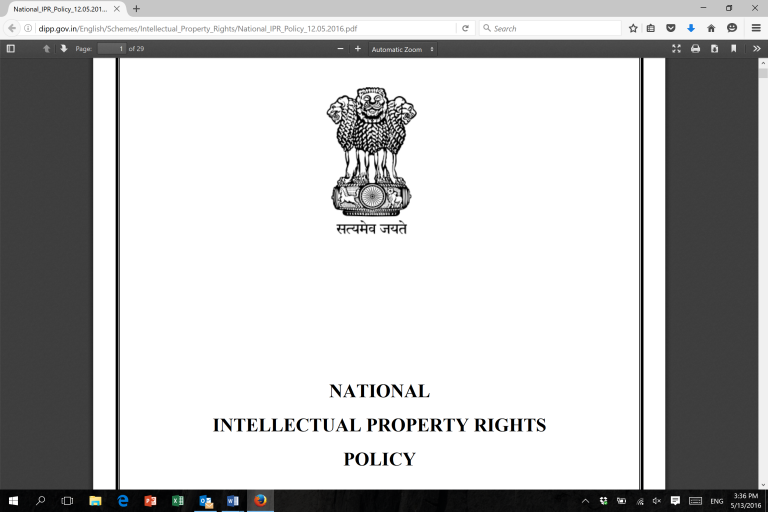
The Indian government today released its long-awaited new intellectual property policy, and preliminary reactions appear to be that it caters to international pressures while attempting to provide a national focus. A more careful reading with reactions will follow.