Category Africa

Green Economy Initiative Names Innovation Award Winners In Africa

The United Nations Environment Programme (UNEP) has announced that 27 African eco-enterprises were the winners of a contest based on business models bringing social and environmental benefits to local communities. Affordable light and electricity, reusable, fireproof bricks made from waste plastic, a mobile phone application used by health professionals for eye care, and the empowerment of waste pickers, are some of the examples of the winning initiatives.
Resisting The Law Of Greed

In 2011 in a small court in Ecuador’s Amazon jungle, a judge ordered the American oil giant Chevron to pay US$9 billion dollars in damages for pollution in the region that was caused by drilling activities in the 1970s and 1980s. The company quickly denounced landmark ruling as illegitimate. More than a year before the final ruling had been issued, Chevron had already taken steps to initiate an investor-state dispute against the Government of Ecuador under the terms of a US-Ecuador bilateral investment treaty (BIT). The company seeks to avoid paying the US$9 billion by convincing an international tribunal that the courts of Ecuador are corrupt and that the government is ultimately responsible for any environmental damage and associated health issues experienced by local residents, writes Kyla Tienhaara in Green Agenda.

WIPO Launches Development Agenda Project In Uganda

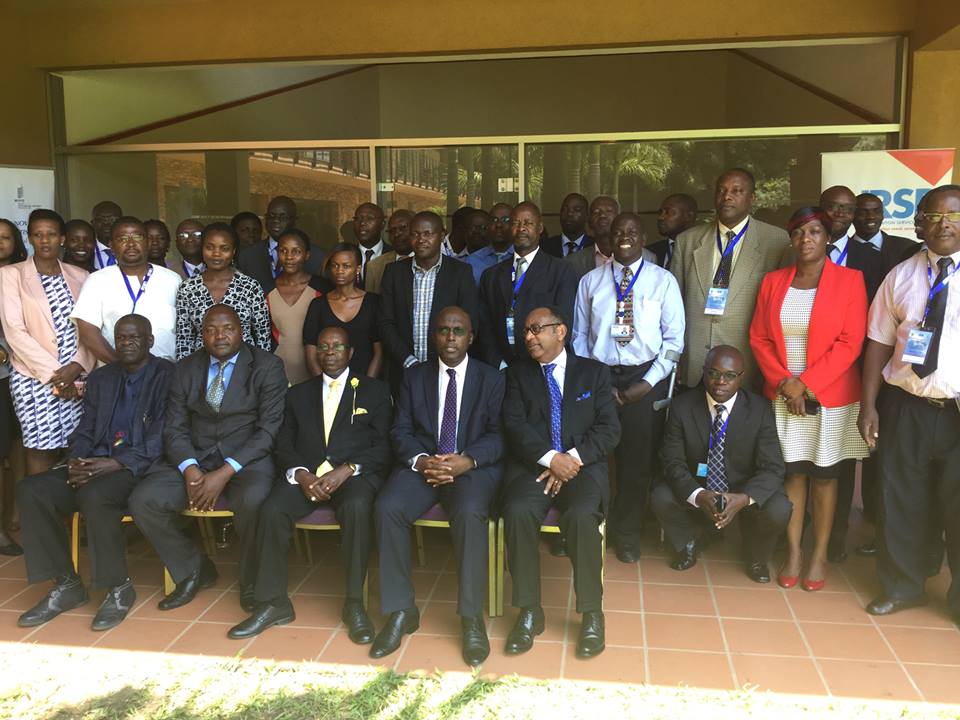
KAMPALA, UGANDA - The World Intellectual Property Organization (WIPO) has launched a Development Agenda program in Uganda, aimed at building capacity in the use of appropriate technology, specific technical and scientific information to address development challenges in the country.

Learning From Ebola

In 1976, Yambuku village school headmaster Mabalo Lokela felt sick when he returned from a trip to northern Zaire near the Central African Republic border. He had a high fever, diarrhea, and bleeding. Because he was initially believed to have malaria, Lokela was given quinine, but his symptoms got worse and he soon died. Shortly afterwards, those who had been in contact with Lokela also died. ... Almost four decades later, there is still no cure for Ebola, despite the fact that drug development on average takes about a third of this time frame, write William Fisher and Quentin Palfrey.