First Access To Vaccines Index Published
An "Access to Vaccines Index" was released today in the Netherlands that claims to "reveal the first landscape of vaccine company actions to improve immunisation coverage."

Original news and analysis on international IP policy
An "Access to Vaccines Index" was released today in the Netherlands that claims to "reveal the first landscape of vaccine company actions to improve immunisation coverage."

By Roya Ghafele, OxFirst - Dieter Ernst’s study is one of the few, if not the only one, to thoroughly examine the role, function and effects of Standard Essential Patents from a developing country’s perspective. As such, the study is a refreshing read, given that the discourse on Standard Essential Patents and the FRAND (fair reasonable and non-discriminatory) regime is pretty much driven from a developed country’s point of view.

Sirena Rubinoff writes: What if there was a crystal ball that could tell you where and when to invest your money? It sounds like science fiction, but engineers at MIT have actually developed a formula that can predict future events in tech development. The formula is based on a combination of big data from patent applications and smart analytics which, when put together, can estimate how fast a technology is advancing.
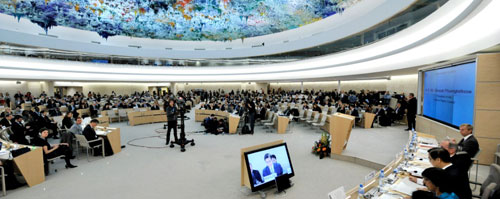
The United Nations Human Rights Council in Geneva this week will host a panel discussion among a notable range of experts on access to medicines and the controversial UN Secretary-General's High-Level Panel report issued last September. The panel is expected to lead to a report sent on to the Human Rights Council for possible action next autumn.

The Board of the Global Fund for AIDS, Tuberculosis and Malaria has named Marijke Wijnroks of the Netherlands as interim executive director starting on 1 June until a new director can be selected. The international health financing facility this week decided to restart its director search from scratch after questions arose with the final two candidates to replace current Executive Director Mark Dybul, who will return to the United States at the end of his four-year term on 31 May.
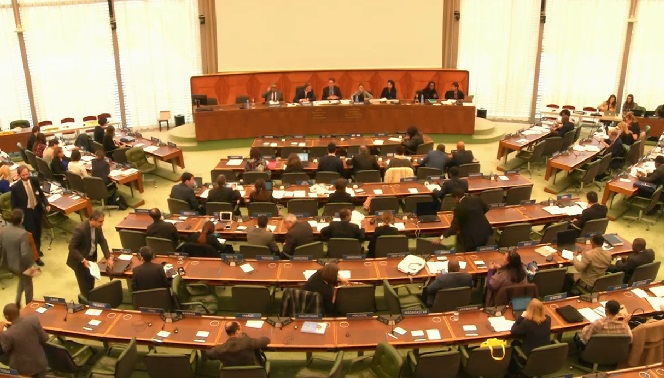
There seems to be something in the air at the World Intellectual Property Organization committee working to find solutions to protect indigenous traditional cultural expressions (folklore) from misappropriation. After 16 years of snail’s pace and mostly unfruitful efforts, the landscape appears to be moving, as developing countries seek a common proactive position, with new treaty language, while the European Union and the United States seem to be increasingly lonely, according to sources.
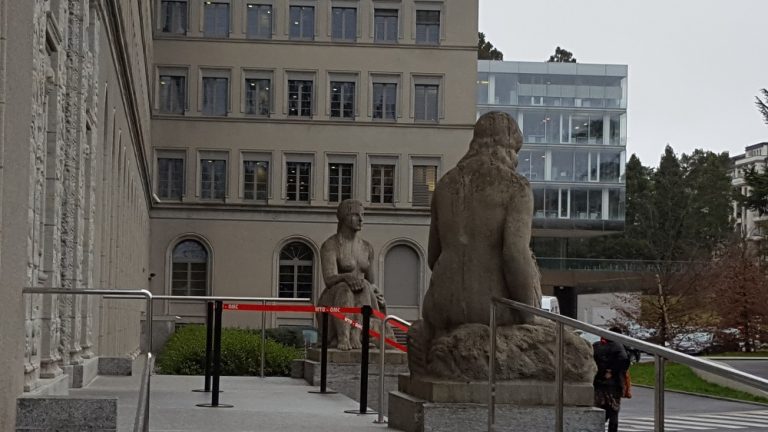
The World Trade Organization committee on intellectual property rights met this week with some discussion items that departed from past agendas but are becoming more familiar. A discussion on electronic commerce revealed interest from members, despite a slow start on details. And discussions on the United Nations High-Level Panel on Access to Medicines prompted nourished interactions and a wish by some countries to pursue the subject in future sessions.

The creativity-oriented UN World Intellectual Property Organization is often at its best when displaying the colorfully multicultural nature of its membership.
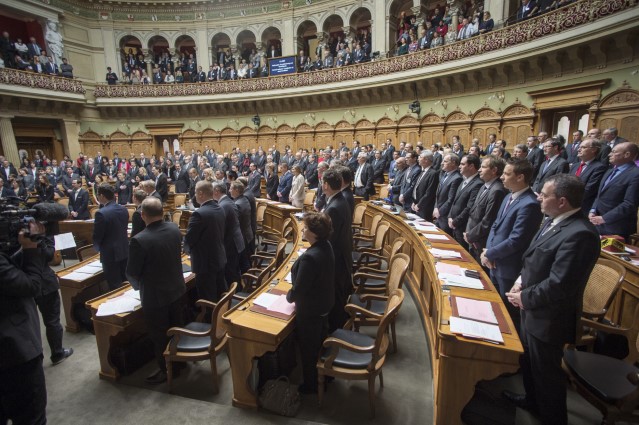
The Swiss Parliament this week adopted new legislation to regulate offline and online gambling by limiting it to a fixed number of Swiss-based operators only. While heavily criticised by opponents inside and outside the Parliament in Bern, the main goal was to harvest revenue streams for the general public and enforce a number of obligation. A number of opponents in the Parliament sided with activists in their call for caution against the ‘slippery slope’ of net filtering. A look at other countries illustrates that filtering on an IP or domain name basis is on the rise.
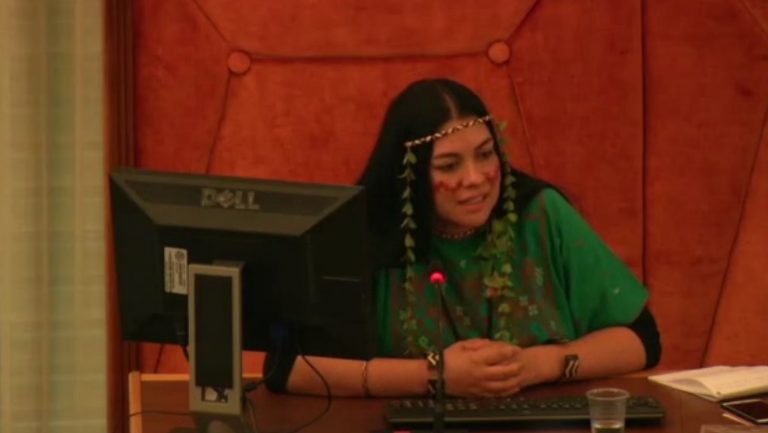
Renewed discussions on the protection of traditional cultural expressions at the World Intellectual Property Organization have produced a new draft text that provides a clearer view of the different ways in which countries see a that treaty could help against misappropriation of indigenous cultural heritage. Divergences remain on core questions such as what and who should benefit from the protection of an international treaty, in which terms, and to what extent.
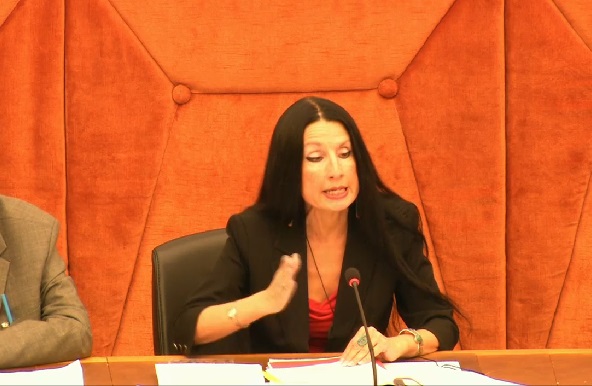
A panel of indigenous peoples speaking at the United Nations World Intellectual Property Organization on a potential treaty protecting their folklore from misappropriation asked that indigenous culture be recognised as unique, and not unduly considered as belonging to the whole of mankind. The keynote speaker chastised the United States position in the committee, criticised a US recent document equating the cultural significance of Santa Claus, pizza and sand paintings, and called for the respect of indigenous peoples' sovereign rights over their cultural expressions.
Internet television broadcasting service TVCatchup (TVC) may not offer live streams of free-to-air TV broadcasts without permission, the European Court of Justice (ECJ) said in a 1 March judgment.